Dry January Charity Backs Tighter Rules on Alcohol Deliveries
Alcohol Change UK is backing tighter alcohol-delivery rules after finding 30% of users had ordered while drunk and 64% were nudged by promotions.

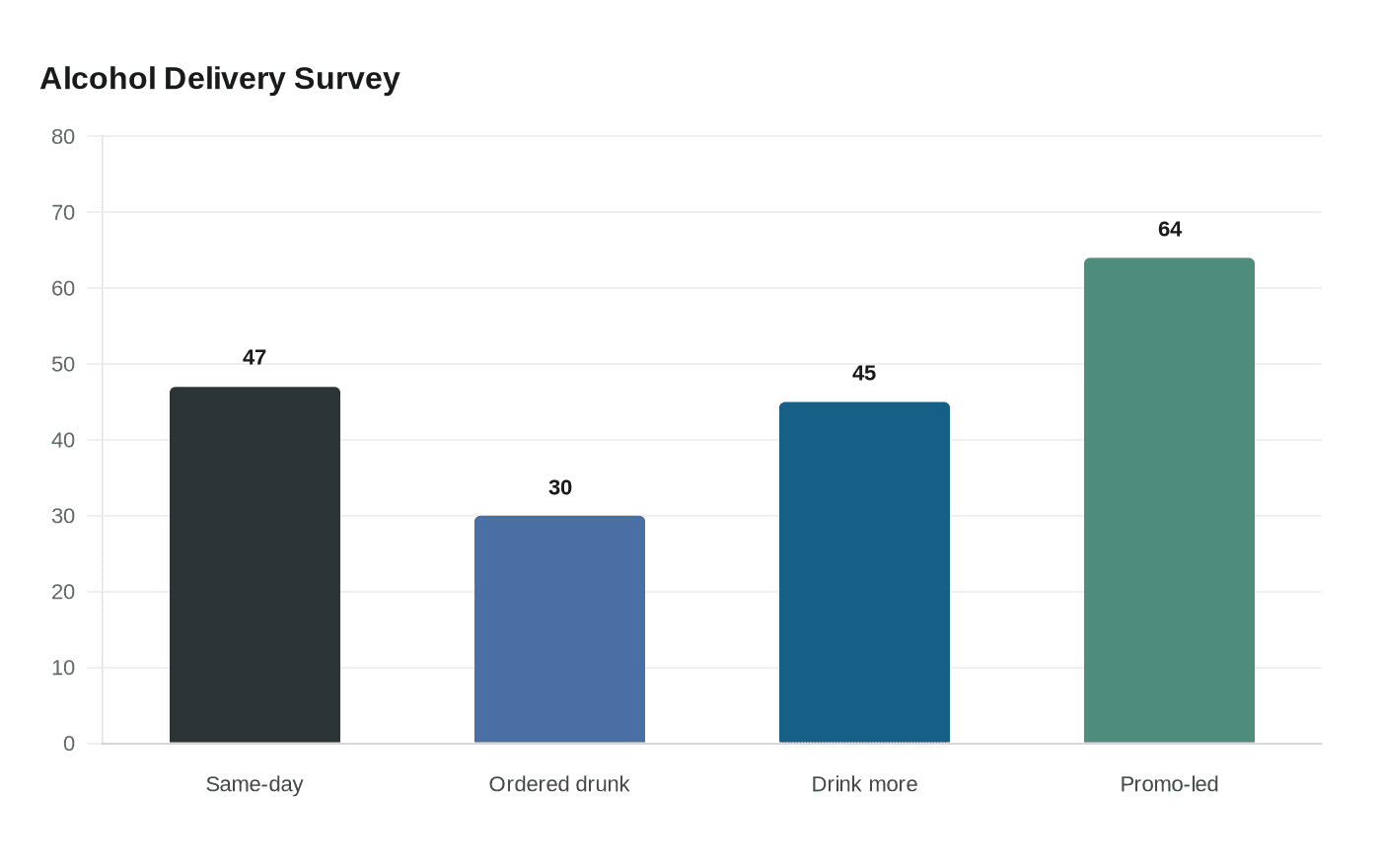
Alcohol Change UK is backing calls for tougher controls on alcohol delivery, arguing that one-tap app ordering can accelerate drinking in ways Britain’s licensing rules were never built to handle. In its May 2024 survey, 47% of respondents said their most recent alcohol delivery arrived the same day, 30% had ordered while drunk, 45% of regular users were drinking more than the recommended 14 units a week, and 64% said a promotion had prompted an order in the previous three months.
Campaigners Dr Laura Harvey and Alex Hughes are working with the charity as it presses for stronger age checks, tighter restrictions on alcohol marketing through delivery platforms, updated licensing laws for the digital age and better training and support for delivery drivers. The argument is that convenience is no longer a neutral feature of alcohol retail. It can be a trigger, making it easier to keep drinking, refill supplies after a night out, or respond immediately to a discount pushed through an app.
The charity’s latest push is tied to Dry January, the annual alcohol-free challenge it says began in 2013. Around 200,000 people globally took part in January 2025, according to Alcohol Change UK, and the charity says its Try Dry app can double users’ chances of completing an alcohol-free month. It also says 70% of Dry January participants who use its tools are still drinking less six months later, alongside improved wellbeing and lower alcohol-related health risks.
That public-health case matters because Alcohol Change UK says 20 people in the United Kingdom die every day as a result of alcohol harm. The charity’s concern is not only the volume of alcohol being sold, but the speed and targeting of delivery. If a promotion can turn a late-night craving into a doorstep delivery within hours, campaigners say current controls may be too slow and too fragmented to stop harm before it starts.
The wider regulatory backdrop is already strict in traditional advertising. The ASA and CAP say alcohol ads in the United Kingdom must not be directed at under-18s and must not encourage binge drinking or irresponsible consumption. But campaigners say app-based delivery sits in a grey zone between retail, advertising and logistics, leaving a blind spot that existing rules do not fully cover. Their case is that the next phase of alcohol control will have to follow the platform, not just the pub or shop.
This article was produced by Prism’s automated news system from verified source data, official records, and press releases, then run through automated quality and moderation checks before publishing. The system is built and supervised by the people who set the standards it runs under. Read our full AI policy.
Did this article answer your question?