Duffy family road trip series sparks backlash over fuel costs and timing
Sean Duffy's family road-trip show is drawing ethics scrutiny as gas tops $4.50 and sponsors overlap with Transportation Department oversight.
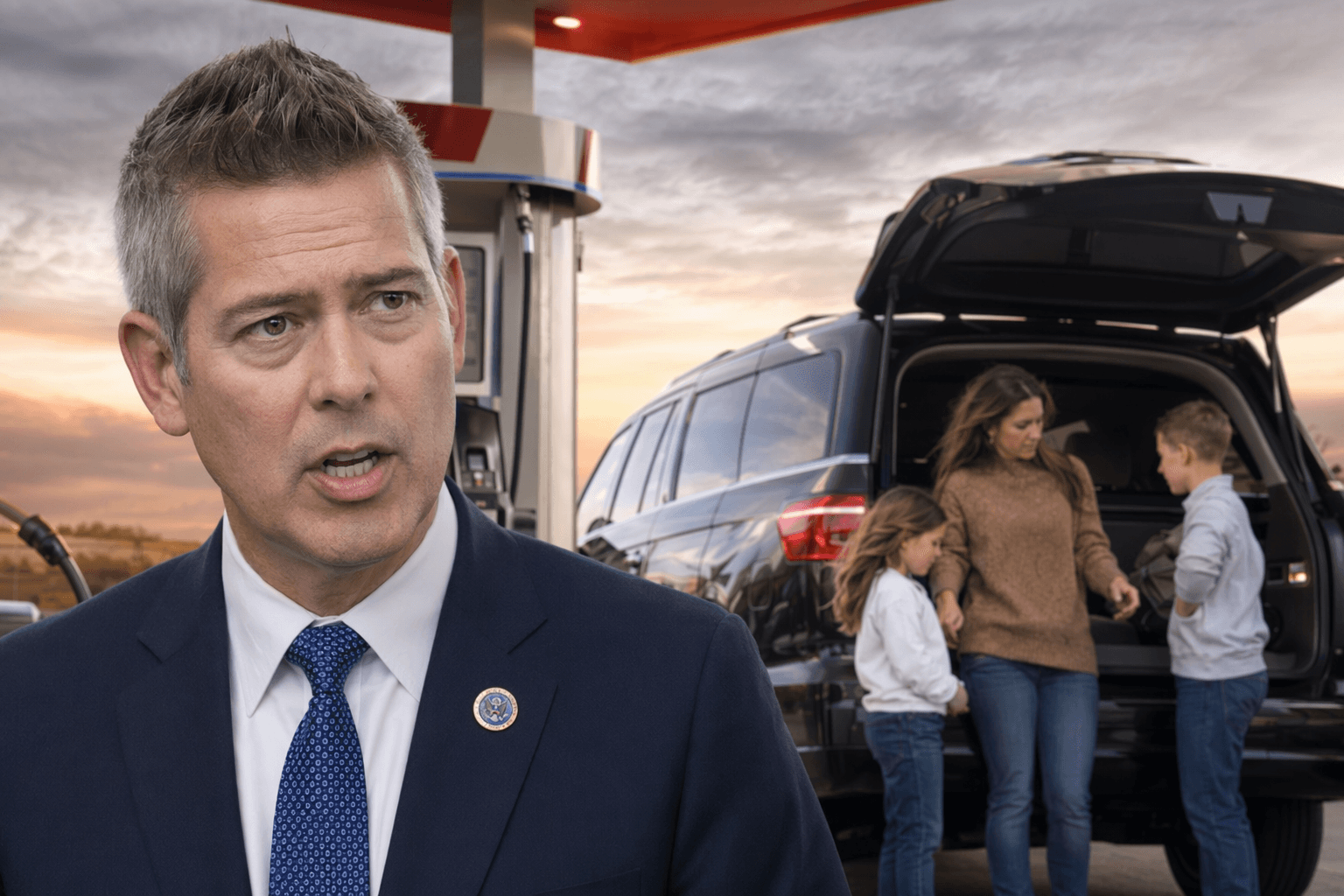
Sean Duffy’s new family road-trip series has turned a patriotic branding push into a public ethics test, with critics asking whether a sitting Cabinet secretary should star in a travel show while Americans face higher fuel costs and tighter travel budgets.
The five-part reality series, set to air on YouTube, follows Duffy, his wife Rachel Campos-Duffy, and their nine children across the country, from Civil War battlegrounds and the Mayflower landing site to Yellowstone National Park, Philadelphia’s Rocky Steps and the house from The Real World: Boston. The trailer presents the project as part of the nation’s 250th birthday celebration and describes the journey as a “civic experience” meant to highlight the people and places that shape American identity.
That framing has collided with the politics of timing. Former Transportation Secretary Pete Buttigieg called the project “brutally out of touch” as gas prices climbed to more than $4.50 a gallon during the U.S.-Iran war, arguing that ordinary families cannot afford the kind of road trip the show depicts. Duffy pushed back on social media, saying critics were unpatriotic and insisting that the filming happened in short one- to two-day production windows, including weekends and his children’s spring break.
Duffy also said production costs were paid by Great American Road Trip Inc., not taxpayers, and that neither he nor his family received a salary or royalties. But the project has drawn scrutiny beyond its budget line. The broader Great American Road Trip effort has sponsors that include Boeing, Shell, Toyota, United Airlines and Royal Caribbean, companies that intersect with or are regulated by the U.S. Department of Transportation. Citizens for Responsibility and Ethics in Washington asked the department’s inspector general to examine whether the venture crossed federal gift, travel or ethics rules.
The episode highlights a larger tension in government: public office is increasingly used as a platform, and the line between official duty and personal branding is growing thinner. Duffy’s trailer and promotional material tie the series to America 250, while the department has also attached the theme to a separate expo and related travel campaigns. That gives the secretary’s personal image a direct overlap with the agency’s public messaging.
For Duffy, the project also marks a return to his entertainment roots. Before entering politics, he appeared on MTV’s The Real World: Boston in 1997 and later on Road Rules: All Stars, where he met Campos-Duffy. Now he is using that same reality-TV familiarity to sell a national road trip from within one of the federal government’s most consequential transportation posts.
Know something we missed? Have a correction or additional information?
Submit a Tip

