Ramaphosa addresses nation as revived impeachment deepens Phala Phala crisis
A court revived impeachment over Phala Phala as Cyril Ramaphosa prepared a televised appeal, forcing the ANC to confront a fresh test of its unity and authority.
Cyril Ramaphosa was set to address South Africans as a revived impeachment process pushed the Phala Phala scandal back to the center of national politics, turning a long-running controversy into a fresh test of his authority and the stability of the African National Congress. The Constitutional Court ruled on May 8, 2026, that Parliament’s December 13, 2022 vote to block impeachment proceedings was invalid and ordered the Section 89 panel report on Phala Phala to be sent to an impeachment committee.
The ruling reopened a case rooted in the 2020 burglary at Ramaphosa’s farm, where thieves stole foreign currency hidden inside a sofa. That episode has shadowed a presidency built on promises of clean government and reform, and it now carries direct legal consequences. Parliament has already begun the process of establishing an impeachment committee, with Speaker Thoko Didiza set to initiate the next steps.
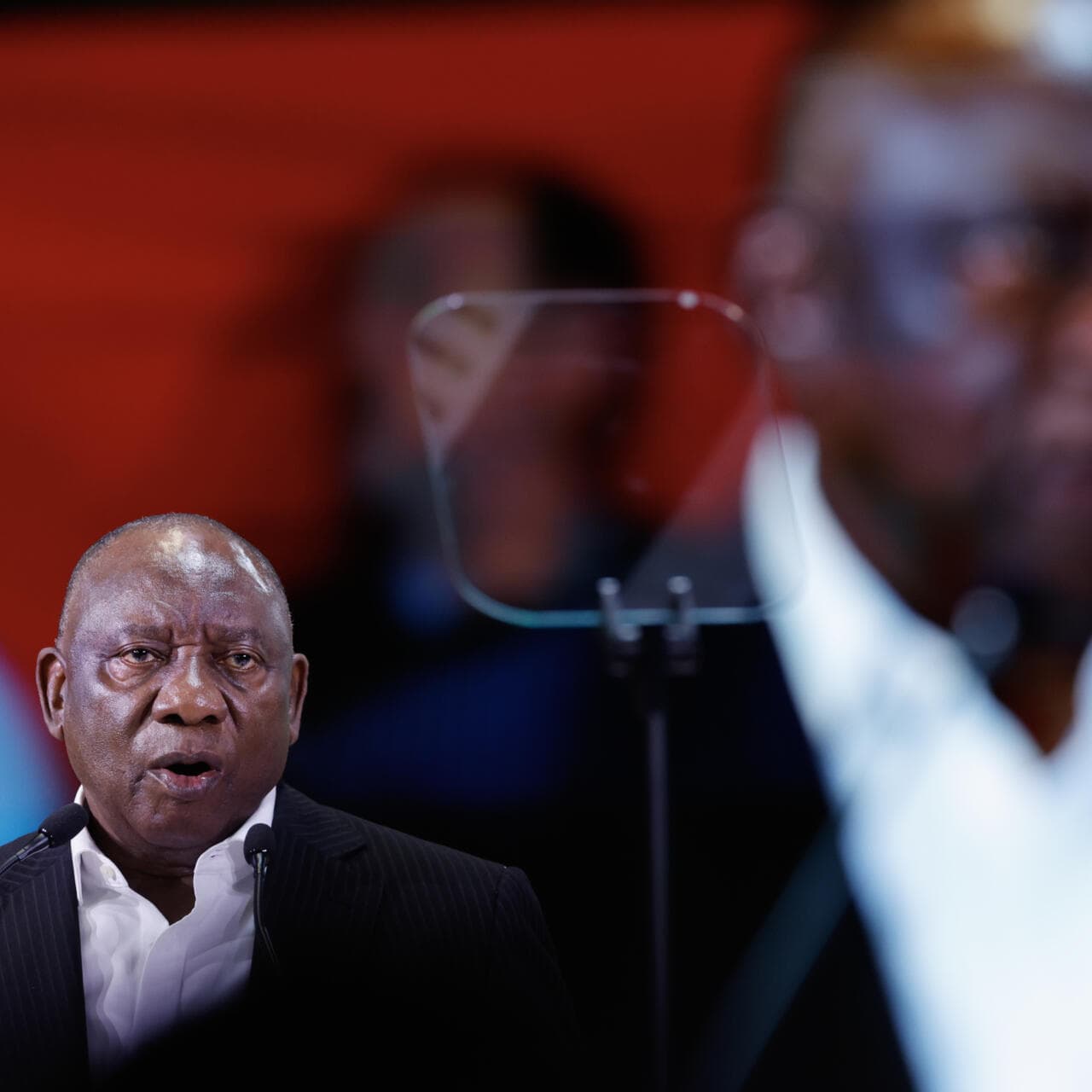
The political stakes are just as severe. The ANC called a special meeting of its National Executive Committee for Tuesday, signaling that the party is preparing a coordinated response rather than a rapid break with its president. Gwede Mantashe, the ANC’s national chairperson, said Ramaphosa was not resigning, a statement that reflected the party’s effort to contain the fallout as the case gathers pace.
Ramaphosa has denied wrongdoing and said he respects the court’s judgment, while also vowing to challenge what he has called a flawed report. Political analyst Daniel Silke said Ramaphosa would likely defend his legacy and try to serve out his term, which runs to 2029. That calculation underscores how much the impeachment revival has become a struggle over whether Ramaphosa can still command the confidence of his own party while keeping enough public legitimacy to govern.
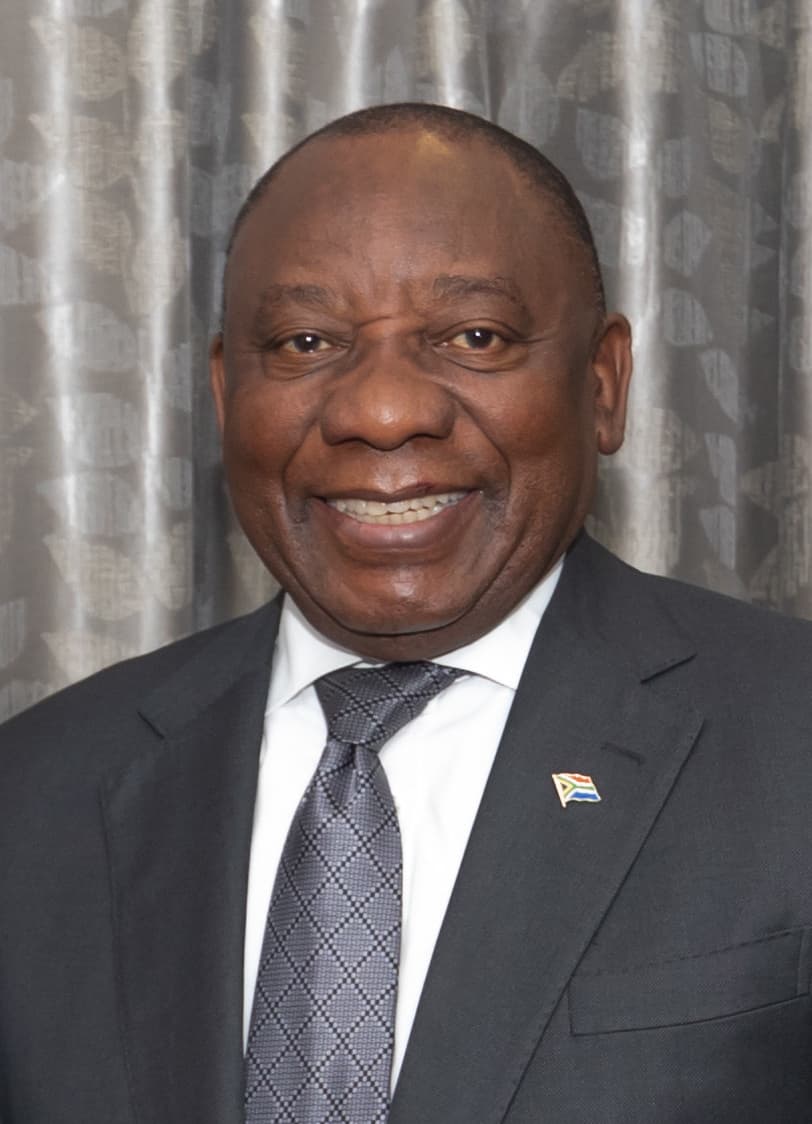
The numbers from the 2022 vote still matter. In the National Assembly, 214 MPs voted against adopting the Section 89 report and 148 voted in favor, a margin that spared Ramaphosa an impeachment inquiry at the time. The court’s intervention has now reversed that outcome, deepening pressure on an ANC that won only about 40 percent of the vote in South Africa’s 2024 national election and lost its outright parliamentary majority. For the party, and for the country’s democratic institutions, the case has become a measure of whether accountability can survive factional loyalty and political exhaustion.
This article was produced by Prism’s automated news system from verified source data, official records, and press releases, then run through automated quality and moderation checks before publishing. The system is built and supervised by the people who set the standards it runs under. Read our full AI policy.
Did this article answer your question?

