Duffy Seeks $10 Billion More to Modernize Air Traffic Control System
Duffy wants another $10 billion to replace aging FAA systems that still trigger ground stops, delays and controller overload across the national airspace.
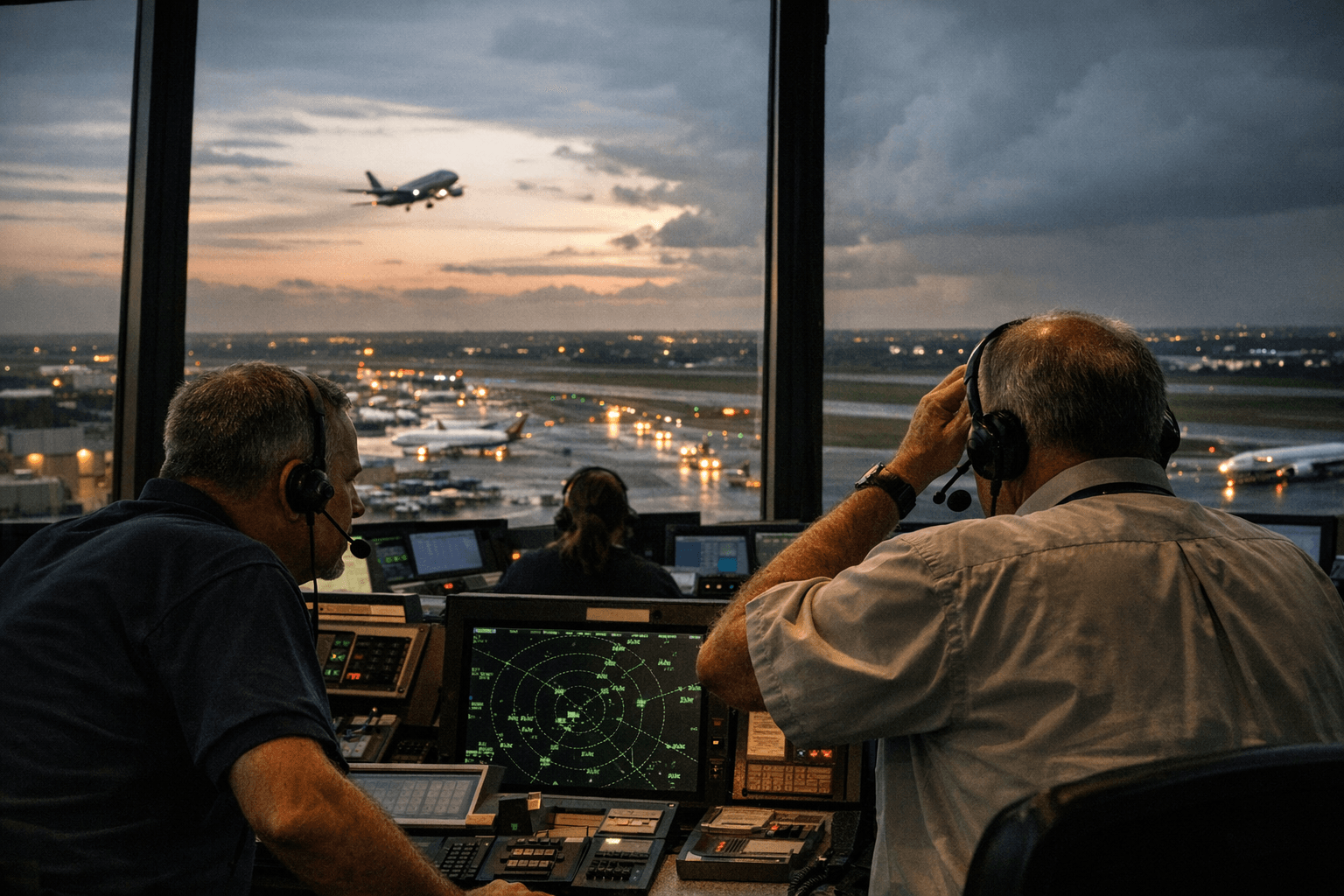
Transportation Secretary Sean Duffy is asking Congress for another $10 billion to push the nation’s air traffic control overhaul into its next phase, arguing that the biggest gains now lie in software that can help managers see congestion coming and keep a bad delay from becoming a daylong travel meltdown.
The request comes on top of the $12.5 billion Congress already approved in the July 2025 reconciliation law. That money was meant to replace obsolete technology and shore up understaffed towers, but Duffy said the work is not finished. The Federal Aviation Administration is still trying to replace paper strips, copper wires and equipment that in some cases dates to the 1960s, with the agency saying it wants a brand-new air traffic control system by the end of 2028.
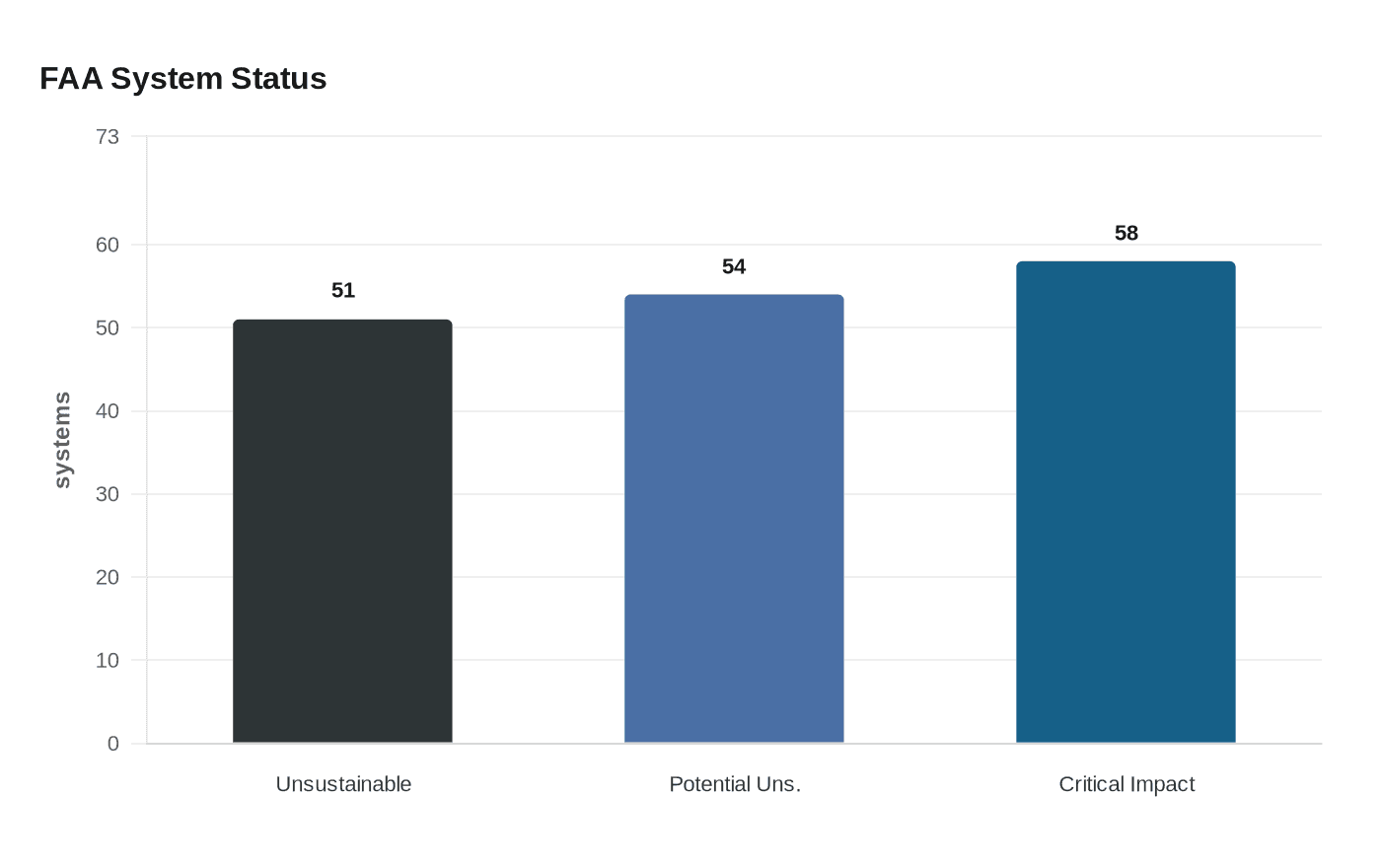
The scale of the problem is visible in the FAA’s own aging systems. In September 2024, the Government Accountability Office said 51 of the FAA’s 138 systems were unsustainable and another 54 were potentially unsustainable. The watchdog said 58 of those systems have critical operational impacts on the national airspace, a warning that underscores how much of the backbone of air travel still depends on fragile infrastructure. The White House has said the modernization push is already replacing nearly half of all copper wires, converting hundreds of radio sites and installing new surface-awareness tools at dozens of airports.
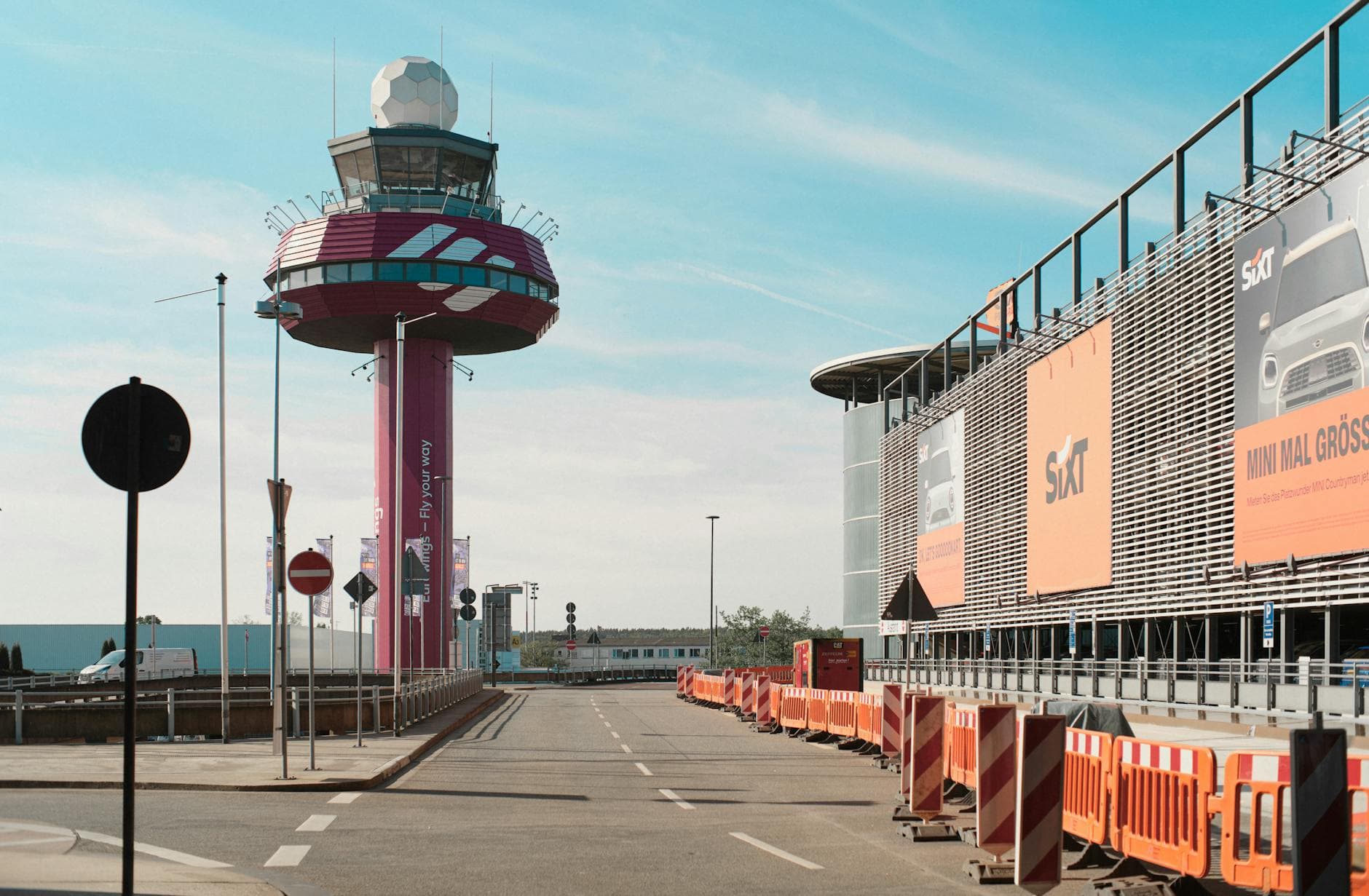
Passengers are already feeling the consequences when that infrastructure fails. The FAA halted traffic twice in March for more than an hour at Ronald Reagan Washington National Airport, Washington Dulles International Airport and Baltimore-Washington International Thurgood Marshall Airport after a circuit board overheated at the Potomac TRACON facility in Virginia, filling the building with a strong chemical smell. Duffy also pointed to repeated telecom failures and major outages affecting Newark, New Jersey, last year as evidence that the system cannot afford to slow down.
Duffy has argued that airlines often schedule flights above FAA capacity, saying schedules can run 50% above what the system can handle 45 days out. His case is that modern software would let the FAA spread departures differently, anticipate bottlenecks earlier and reduce the cascade of missed connections and tarmac delays that follow a single breakdown. He has also said the overhaul is not about replacing controllers with AI, but giving human staff better tools to manage a system that is still carrying 21st-century traffic on infrastructure built for another era.
This article was produced by Prism’s automated news system from verified source data, official records, and press releases, then run through automated quality and moderation checks before publishing. The system is built and supervised by the people who set the standards it runs under. Read our full AI policy.
Did this article answer your question?

