E-Scooters and E-Bikes Now Offer Cheaper Commutes Than Public Transport
A Nottingham commuter riding 10 trips a week pays £10.46 with Lime's new LimePrime subscription versus £30 by bus, saving nearly £85 a month.
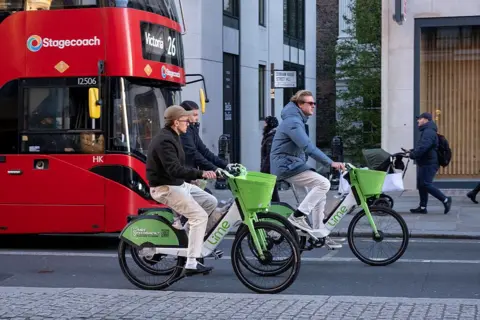
The numbers are sharpest in Nottingham, where a standard adult bus fare costs £3 and a tram ride £3.60. Under LimePrime, the monthly subscription scheme Lime launched at the end of February across five UK cities, the same 20-minute journey costs £1 with a monthly fee of just £1.99. A commuter making two daily trips over a five-day working week pays £10.46 all-in against £30 by bus, a saving of roughly £85 a month. In Milton Keynes, where bus fares are also capped at £3, the same weekly journey pattern costs £17.61 under LimePrime (at £1.60 per ride and £6.99 monthly) versus £30, cutting the weekly bill by more than £12.
The picture is more complicated in London. LimePrime subscribers in the capital pay £1.70 for up to 20 minutes plus a £6.99 monthly fee, bringing a ten-ride working week to £18.61 compared with Transport for London's bus fare of £1.75 per journey, or £17.50 weekly. On that precise comparison, the e-bike is fractionally more expensive. But commuters who rely on the Tube, where single fares now begin at £2.20, would pay £22 for the same week and save £3.39 by switching. The arithmetic turns on which mode, and which neighbourhood, you're replacing.
In Manchester and Oxford, the calculus favours LimePrime more clearly. Manchester subscribers pay £2.99 a month and £1.50 per ride against a £2 bus fare, while Oxford's £2.99 monthly fee unlocks rides at £1.50 for up to 20 minutes, or £1 for trips under five minutes. The variance across cities reflects Lime's city-by-city negotiation with local authorities rather than a single national tariff.
The equity dimension is being addressed directly in some boroughs. Hackney Council signed five-year contracts with both Lime and Voi in October 2025, capping Voi rides within the borough at £1.75 for 30 minutes, matching the London bus fare precisely. Lime's separate LimePass+ deal there allows riders to buy an unlimited monthly pass for £45, with every journey capped at £1, a structure designed for frequent users rather than occasional ones. The Lime Access programme, available to lower-income residents and key workers, sits beneath that again, though pricing details vary.
The policy framing around LimePrime is explicitly about active travel. Lime said it designed the subscription to support the Department for Transport's ambitions to make active travel "not only cleaner, but affordable and accessible." That positioning aligns the company with government priorities, but it raises a harder question: whether cheaper e-bikes complement public transport or begin pulling fare revenue away from bus and tram networks that depend on it.
For most commuters, the honest answer is that LimePrime functions as a replacement for short bus hops rather than a supplement to longer rail journeys. In cities like Nottingham and Milton Keynes, where buses carry the majority of daily commuters and fares are relatively high, the financial case for switching is now substantial. In inner London, where bus fares are already among the lowest in Europe and the network is dense, the savings are slimmer and the comparison more pedestrian. The subscription model shifts e-bikes from an occasional convenience into a genuine daily transport budget line, and the cities where that matters most are not necessarily the ones with the highest-profile street presence.
This article was produced by Prism’s automated news system from verified source data, official records, and press releases, then run through automated quality and moderation checks before publishing. The system is built and supervised by the people who set the standards it runs under. Read our full AI policy.
Did this article answer your question?