Ebola health workers in Congo threaten strike over unpaid wages
Ebola workers at Rwampara General Hospital burned tires and threatened a full-scale strike over unpaid wages, putting Congo’s outbreak response at risk.
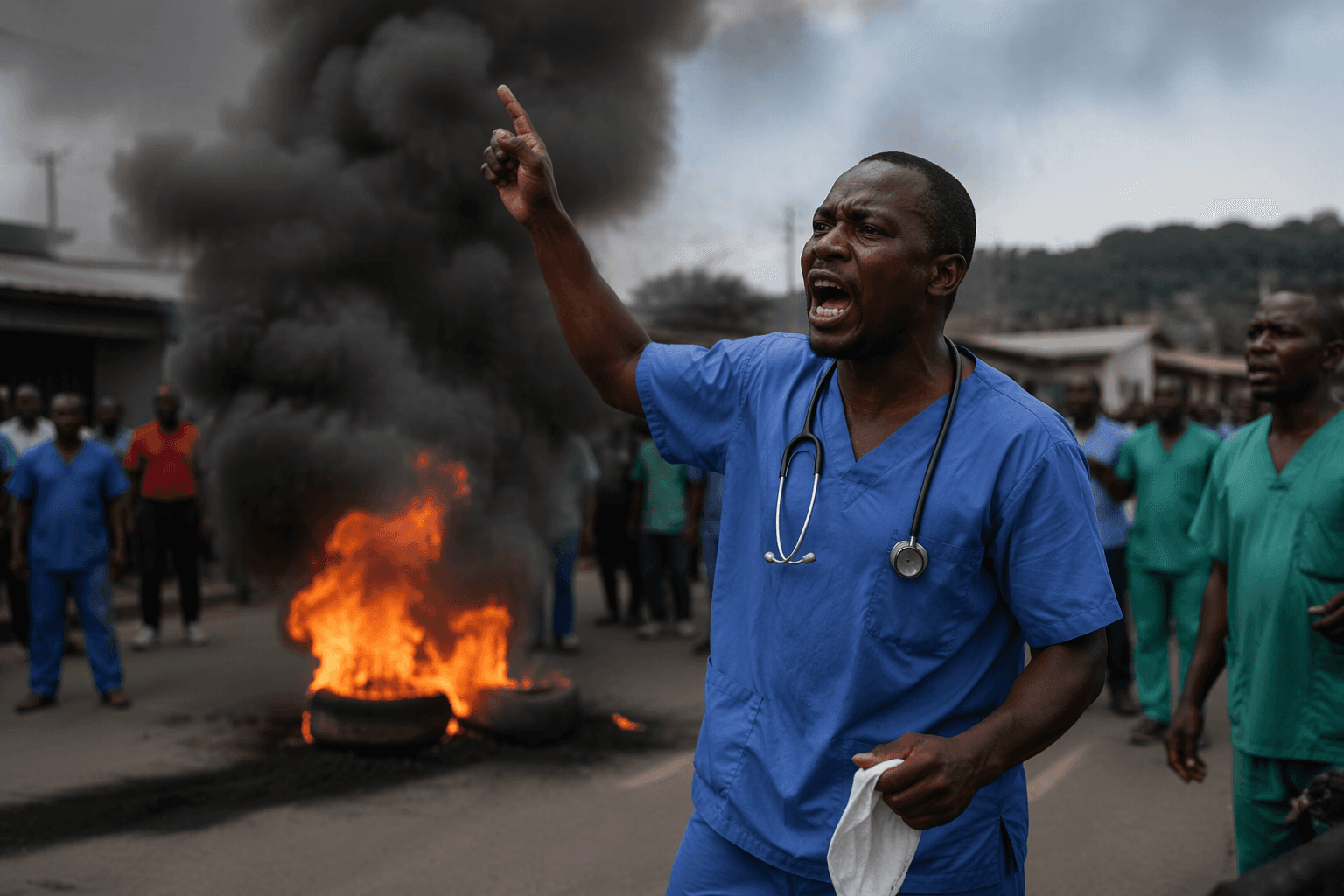
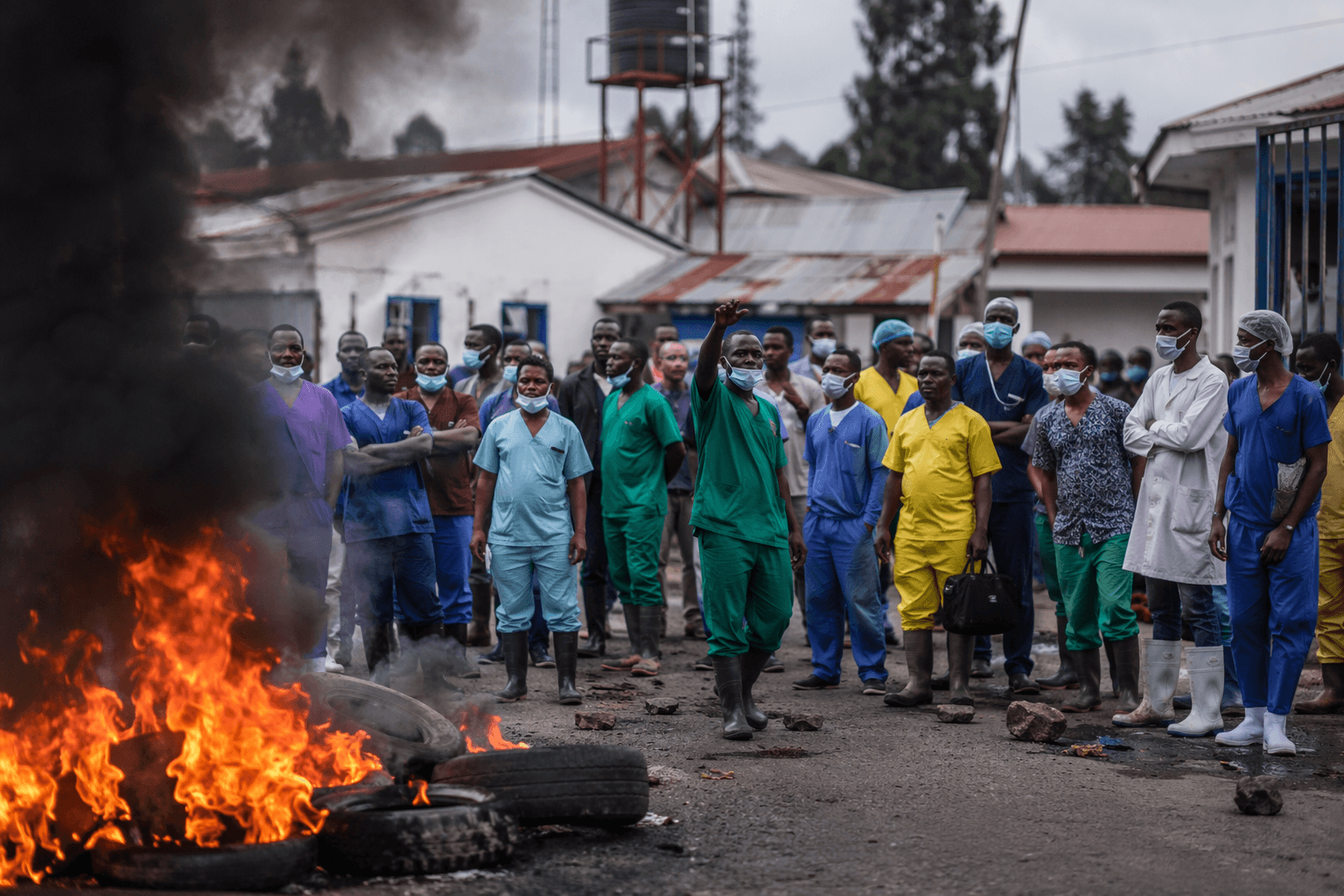
Health workers at Rwampara General Hospital in Ituri burned tires and briefly blocked access to the Ebola treatment center after saying they had gone unpaid for salaries and bonuses since the outbreak was detected. They gave authorities a 48-hour deadline and warned they would launch a full-scale strike if the money did not come through.
Pascal Bahoya, one of the doctors at the center, said staff had kept treating patients without pay since May 15 because of their professional duty, even as conditions grew more difficult. Health Minister Samuel Roger Kamba acknowledged the payment delays during a visit to Ituri and said the organizational problem behind the shortage would be fixed. By July 14, dozens of staff were already out on strike.
The labor dispute landed in the middle of a severe outbreak. The World Health Organization put the Democratic Republic of the Congo at 1,460 confirmed cases and 452 deaths as of July 1, with 36 health zones affected across Ituri, North Kivu and South Kivu. Health and care workers accounted for 102 confirmed cases and 25 deaths. By July 3, the total across Congo, Uganda and one France-linked case had reached 1,481 confirmed cases and 454 deaths.
This is Congo’s 17th Ebola outbreak since the virus was first identified in 1976. The current outbreak was first confirmed on May 15 and was declared a Public Health Emergency of International Concern two days later. The strain is Bundibugyo virus disease, for which there is no licensed vaccine or specific treatment, leaving surveillance, contact tracing, infection prevention and control, safe burials and community engagement as the main defenses.
The outbreak is unfolding in a difficult setting marked by insecurity, a humanitarian crisis, remote and densely populated terrain, and intense population and trade movement. On July 14, WHO’s emergencies chief said 80% of new cases were outside contact lists. By July 14, treatment capacity in Bunia had climbed to nearly 800 beds and laboratory capacity had expanded from one lab to 14, but funding gaps, attacks on health centers, conflict and mistrust in local communities were still slowing the response.
This article was produced by Prism’s automated news system from verified source data, official records, and press releases, then run through automated quality and moderation checks before publishing. The system is built and supervised by the people who set the standards it runs under. Read our full AI policy.
Did this article answer your question?