Eclipse Ventures rides boom in AI infrastructure and physical AI
Eclipse’s Cerebras windfall shows venture money is moving back toward factories, chips, and power. The firm’s $1.3 billion raise signals how physical AI is becoming the new center of tech investing.

The software era gave way to something heavier
Eclipse Ventures built its name on a bet that once sounded unfashionable: the biggest tech companies of the next decade would not come only from software, but from rebuilding the physical economy. That thesis, centered on manufacturing, logistics, supply chains, energy generation, storage, recycling, and other industrial systems, is suddenly looking much closer to the market consensus as investors chase AI infrastructure, robotics, defense, and advanced manufacturing.
The clearest proof is Eclipse’s stake in Cerebras Systems. A $6.5 million Series A investment in 2016 helped produce a total return of about $2.5 billion when the chipmaker went public in May 2026, a rare kind of outcome even in a hot venture cycle. What once looked like a contrarian industrial bet now reads like a preview of where tech power is shifting: away from pure software abstraction and back toward the companies that make the chips, build the machines, move the goods, and generate the electricity.
A bet that felt lonely is now in the mainstream
Lior Susan, who founded Eclipse in 2015, has been making the same argument for years: real-world infrastructure is where the next industrial platform companies will emerge. At a recent StrictlyVC event in San Francisco, he said that in the firm’s early days, when enterprise software and SaaS dominated venture capital, Eclipse’s focus made it feel “fairly lonely the first couple of years.” That loneliness is part of the story. The market was once crowded around software margins and cloud growth; now it is racing toward compute, energy, and systems that can support artificial intelligence at scale.
Cerebras shows why that change matters. The company spent years building an alternative to Nvidia GPUs, and its path to the public markets reflected how difficult, capital-intensive, and strategically important that work is. Cerebras initially filed publicly for an IPO in September 2024, a reminder that hardware infrastructure does not move on software timelines. It moves on manufacturing cycles, supply constraints, engineering breakthroughs, and the patient accumulation of physical capacity.
Why Cerebras became Eclipse’s signature win
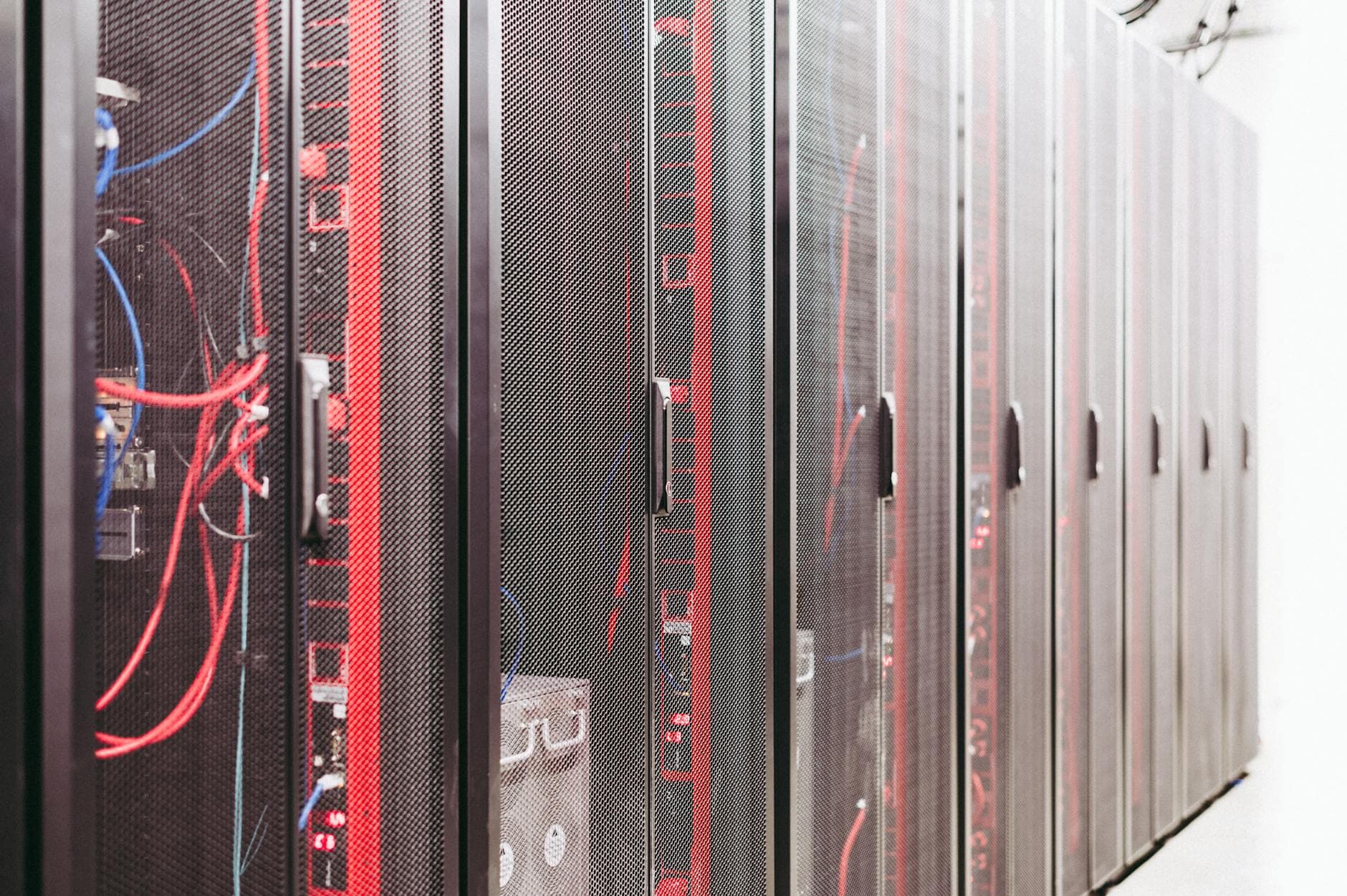
Eclipse describes Cerebras as touching every layer of its physical-world thesis because two problems sit at the center of the AI buildout: compute and power. That framing matters because the current AI boom is not only a software story about models and applications. It is also a story about whether the United States can build enough chips, data-center power, and industrial capacity to support the next wave of demand.
Cerebras’ public debut reinforces that point. CNBC reported that the company raised $5.55 billion in its IPO, and investors are already looking toward even larger AI deals later this year. For Eclipse, the return is not just a mark on a portfolio. It is evidence that capital markets are starting to value companies that supply the hard infrastructure beneath the AI stack, not just the apps that sit on top of it.
Eclipse’s capital raise tracks the market’s new priorities
Eclipse also moved to scale its own platform at the same time the Cerebras trade was crystallizing. In April 2026, the firm said it had closed two new funds totaling $1.3 billion. The package included $720 million for early-stage startups and $591 million for later-stage deals, giving Eclipse a broader mandate across the company-building cycle.
That split is revealing. Early-stage capital is how new industrial categories get started, but later-stage money is what allows deep-tech businesses to survive the long path from prototype to production. In sectors like chips, robotics, defense, and energy systems, the gap between a promising product and a scaled business can be years long and extremely expensive. Eclipse’s fundraising suggests limited partners are willing to back that timeline, not just the quicker returns of software.
What physical AI really means in the venture market
Eclipse’s version of physical AI is broader than a single chip company or one AI application. It spans the techno-industrial stack: manufacturing, logistics, supply chain, and energy generation, storage, and recycling. The concept reflects a hard economic reality. If AI is going to reshape factories, warehouses, defense systems, and power grids, then the bottlenecks will increasingly sit in the physical world, where silicon, steel, labor, and electricity all matter.
This is where the broader market shift becomes more than a venture trend. Investors are revaluing companies that create durable capacity in the real economy, especially in areas that can compound strategic advantage for the United States. Semiconductor design, industrial automation, and energy infrastructure are now tied to national competitiveness in a way that software alone rarely was. Eclipse’s rise suggests that venture capital is again rewarding companies that can make things, move things, and power things at scale.
Why the shift matters for U.S. industrial competitiveness
The Cerebras win is important because it shows how the AI boom is spreading beyond one narrow part of the technology sector. A company that spent years challenging Nvidia’s dominance in AI compute has now delivered a major outcome for a venture firm built around industrial rebuilding. That signals that the market is assigning new value to the physical foundations of technology, from chips to power to production systems.
For the broader U.S. economy, that revaluation matters. If the next phase of tech leadership depends on factories, semiconductor supply chains, and energy capacity, then the country’s competitive position will hinge on whether investors are willing to fund those long-duration bets. Eclipse’s $1.3 billion raise and its $2.5 billion Cerebras return point in the same direction: the center of gravity is moving from software-only growth toward the companies that can build the real-world infrastructure AI requires.
The message from Eclipse is simple. Venture capital is no longer just chasing code. It is funding the machinery of industrial power, and the firms that understand that shift are becoming the ones most exposed to the next era of tech wealth creation.
This article was produced by Prism’s automated news system from verified source data, official records, and press releases, then run through automated quality and moderation checks before publishing. The system is built and supervised by the people who set the standards it runs under. Read our full AI policy.
Did this article answer your question?