Ecuador offers to cancel tariffs after talks with Colombian candidate
Ecuador’s tariff rollback came after Daniel Noboa spoke with a Colombian candidate, prompting Bogotá to accuse Quito of meddling before Sunday’s vote.
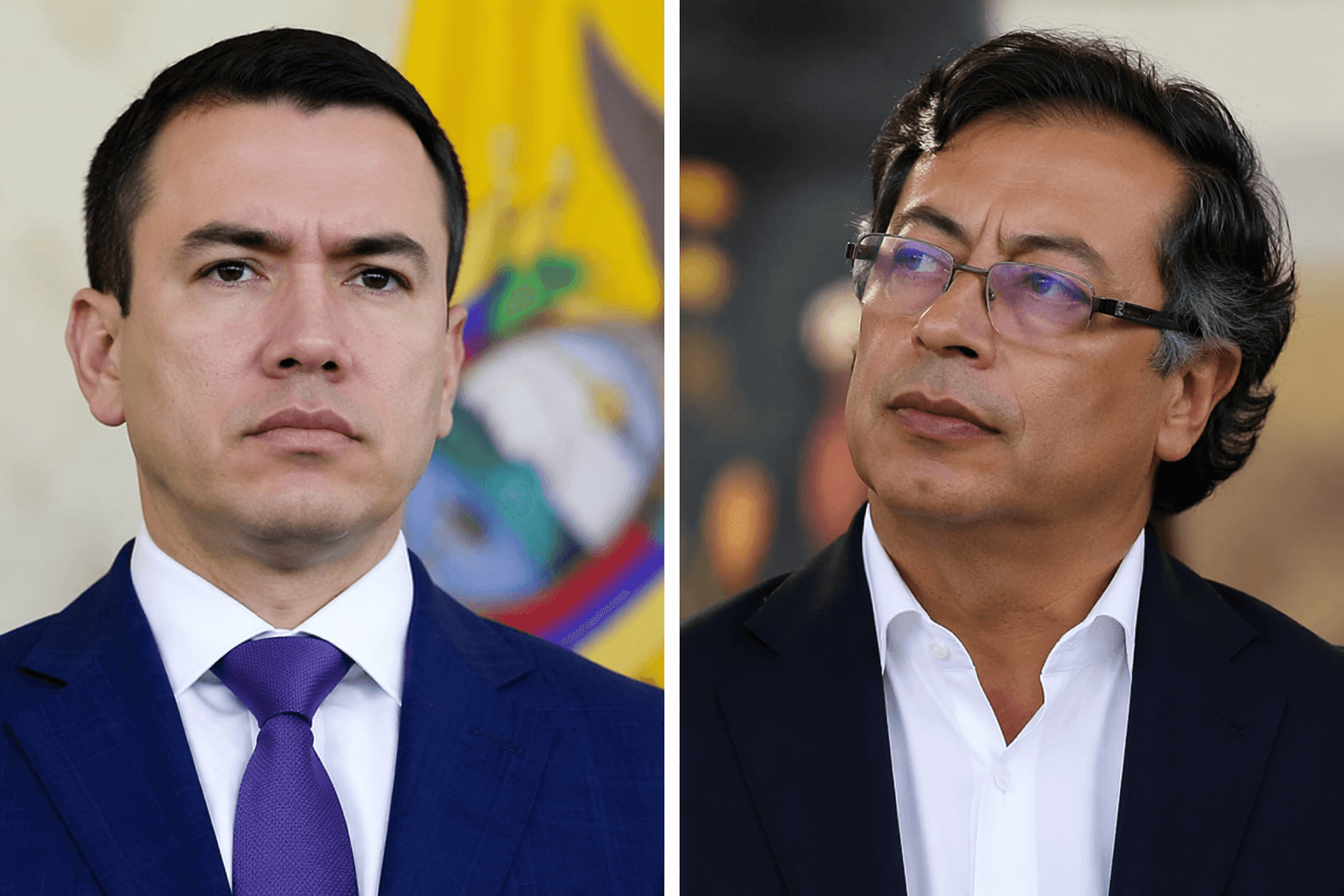
Ecuador’s president, Daniel Noboa, said he would remove bilateral tariffs on Colombian imports starting June 1 after reaching an agreement with Colombian presidential candidate Abelardo de la Espriella, a move that immediately drew accusations of election interference from Bogotá. The decision tied trade relief to a conversation with a rival in Colombia’s presidential race, deepening a dispute that has already strained relations across the 586-kilometer border and disrupted cross-border commerce.
Colombia’s foreign ministry said Ecuador had engaged in “deliberate interference” in the May 31 presidential election and rejected what it described as a misleading portrayal of the tariff rollback as an act of good faith. Noboa said the agreement with De la Espriella included cooperation against narcoterrorism and the handover of Ecuadorian criminals who are in Colombia, sharpening concerns that a bilateral trade dispute had been folded into a domestic campaign message.
The timing is politically sensitive. Colombia is holding a first-round presidential election on Sunday, May 31, 2026, with a runoff scheduled for June 21 if no candidate wins a majority. De la Espriella, an independent candidate, is running in a race that also includes Iván Cepeda, an ally of President Gustavo Petro, and right-wing Senator Paloma Valencia. The contest is widely viewed as a referendum on Petro’s left-wing government, with crime and economic anxieties driving much of the vote.
The tariff clash has broader implications for regional norms. Ecuador said its restrictions were a response to Colombia’s failure to combat drug trafficking along the shared border, an allegation Petro has rejected. In early May, the Andean Community of Nations ordered Ecuador and Colombia to lift their reciprocal trade restrictions within ten business days, saying the measures violated bloc rules as the dispute began to rattle commerce on both sides of the frontier. Colombia said it would remove measures adopted to mitigate Ecuador’s tariffs, but the larger political damage was already visible: a head of state had linked trade relief to a candidate’s stance in an open election.

Noboa’s earlier contact with Paloma Valencia, another conservative figure in Colombia, added to the impression that Quito had become entangled in Bogotá’s campaign. For Latin America, the precedent is stark: when tariff policy is used as leverage around an election, diplomacy can start to look like intervention, and that blurring of roles can unsettle electoral norms well beyond Colombia’s vote.
This article was produced by Prism’s automated news system from verified source data, official records, and press releases, then run through automated quality and moderation checks before publishing. The system is built and supervised by the people who set the standards it runs under. Read our full AI policy.
Know something we missed? Have a correction or additional information?
Submit a Tip