Eurasian bloc considers suspending Armenia over EU membership bid
The Eurasian bloc moved to suspend Armenia over its EU bid, just as Moscow tightened trade pressure and a June 7 vote loomed.
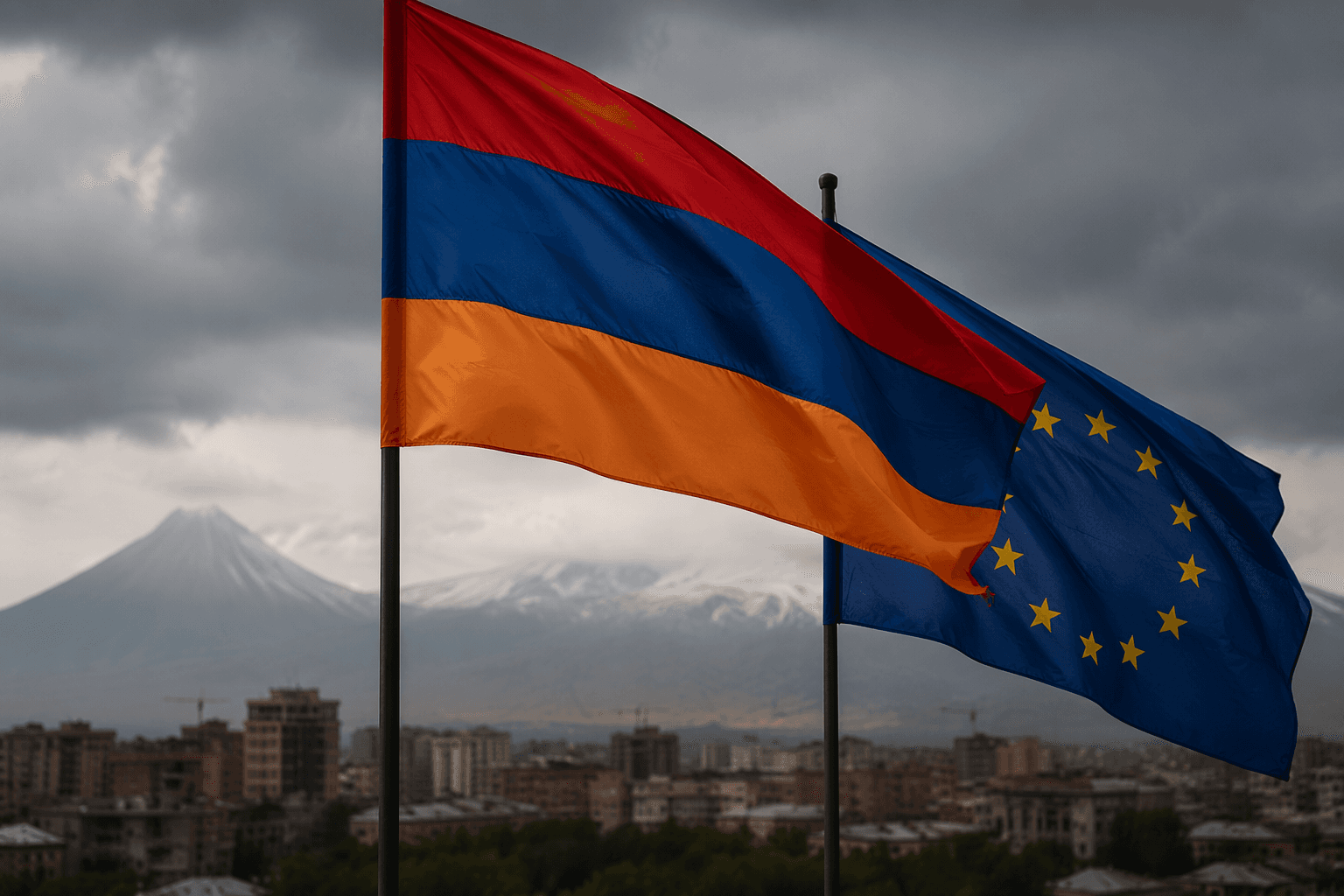
The Eurasian Economic Union has turned Armenia’s European Union bid into a direct test of loyalty, saying it will consider suspending Yerevan later this year if the country keeps moving toward Brussels. The warning came from leaders of Russia, Kazakhstan, Belarus and Kyrgyzstan after their meeting in Astana, and they said the issue would return at the bloc’s December summit.
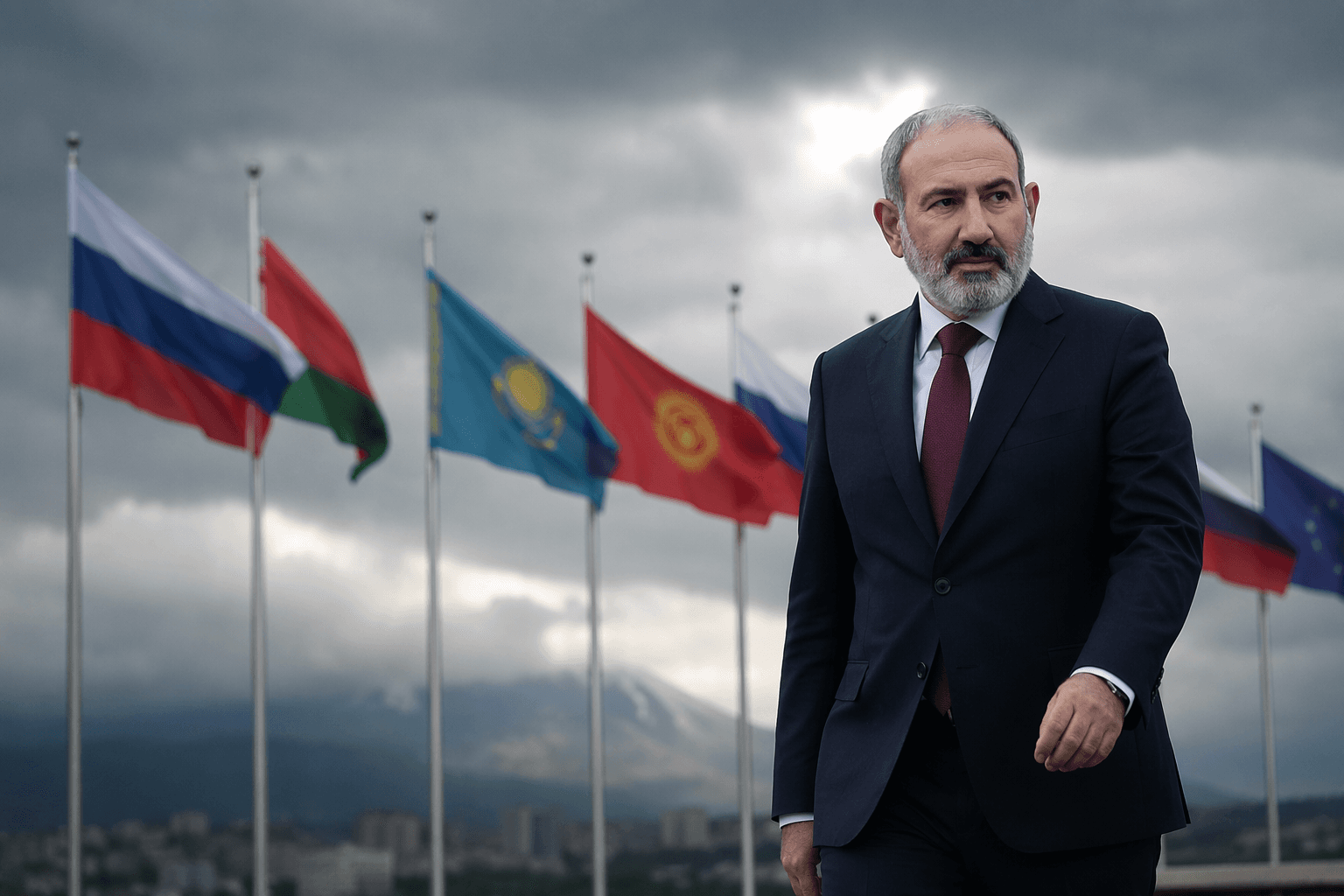
The timing is stark. Armenia goes to the polls on June 7, with Prime Minister Nikol Pashinyan and his pro-Western Civil Contract party facing mostly pro-Russian opposition forces. Pashinyan stayed away from the Astana meeting, citing the campaign, and Deputy Prime Minister Mher Grigoryan represented Armenia instead. The bloc also urged Armenia to hold a referendum so voters could decide whether the country should continue on a European path or remain inside the Moscow-led economic order.
The pressure is already moving beyond diplomacy. Russia recalled its ambassador to Armenia on May 30 for consultations over the rapprochement with the European Union, and Russian authorities also imposed temporary restrictions on imports of some Armenian fruit and vegetable products. Moscow has separately threatened to cut off cheap Russian oil products and gas that Armenia depends on, underscoring how quickly commercial tools can be repurposed as political leverage.
Armenia has been in the Eurasian Economic Union since 2015, but its government has also been widening ties with the European Union. Armenia’s parliament adopted a law on March 26, 2025, launching the country’s EU accession process, and the European Parliament welcomed the move as another step in already close relations. The EU reinforced that shift by establishing the EU Partnership Mission in Armenia in April 2026, following the earlier EU Mission in Armenia launched in 2023.
The economic imbalance helps explain why Moscow believes it has leverage. Armenia’s imports from Russia were valued at $9.24 billion in 2024, including about $750.55 million in mineral fuels and oils, according to UN COMTRADE data cited by Trading Economics. A World Bank trade factsheet found that the EU accounted for 43 percent of Armenia’s exports in 2011, but just 23 percent by 2021, reflecting a trade profile still heavily exposed to Russia and the wider Eurasian bloc.
For Armenia, the dispute is no longer only about trade. It is about whether a small state in the South Caucasus can widen its strategic room without paying a punitive price from the power center it left room for in 2015. The answer may be shaped first by the June 7 vote, then by the December summit, where suspension has become a live instrument of pressure rather than a procedural threat.
This article was produced by Prism’s automated news system from verified source data, official records, and press releases, then run through automated quality and moderation checks before publishing. The system is built and supervised by the people who set the standards it runs under. Read our full AI policy.
Know something we missed? Have a correction or additional information?
Submit a Tip