EEOC Guidance Clarifies How Target Workers Can File Discrimination Charges
The Equal Employment Opportunity Commission provides step by step guidance for employees and job applicants on how to file a charge of employment discrimination, including time limits, intake options, and what information to include. For Target workers this matters because meeting filing deadlines and choosing the right intake pathway can determine whether a complaint proceeds and which remedies may be available.
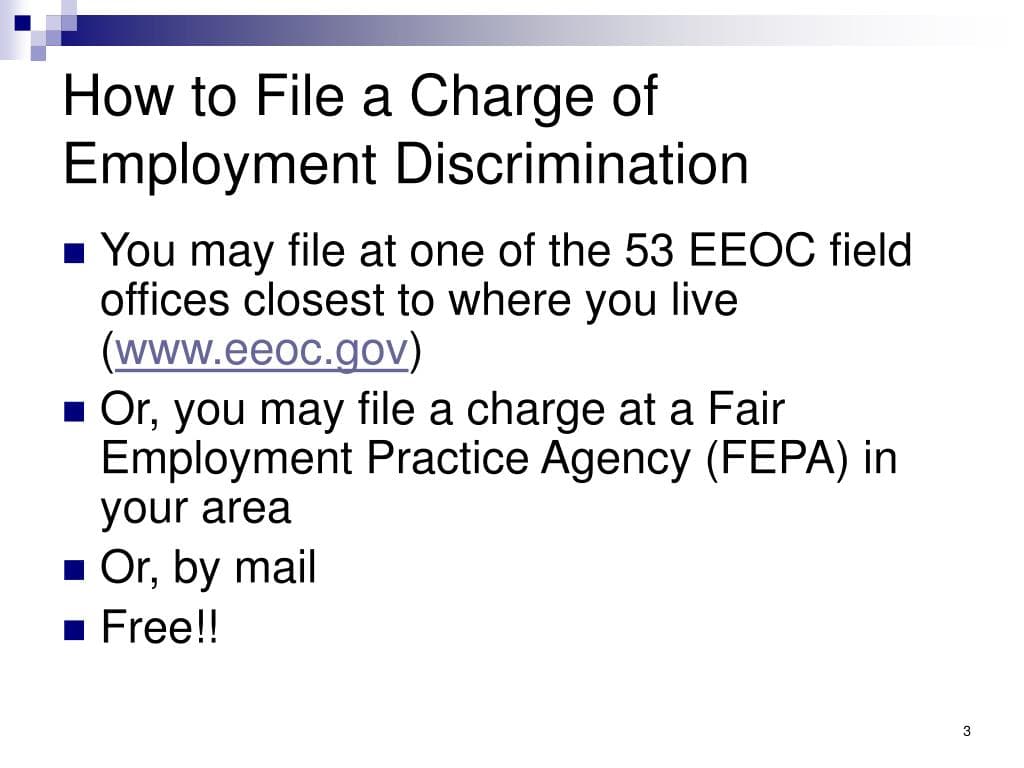
The Equal Employment Opportunity Commission offers an official roadmap for employees and applicants who believe they experienced discrimination or retaliation at work, including those who work at Target. The guidance explains filing deadlines, multiple intake methods, required information for a charge, and coordination with state or local agencies, all of which can affect an employee's ability to obtain a timely agency review.
Under the guidance, employees generally have 180 days to file a charge, with the deadline extendable to 300 days in jurisdictions that have a state or local Fair Employment Practices Agency with overlapping jurisdiction. The EEOC encourages use of its Public Portal for online intake and charge filing, and it also provides in person and telephone intake options for people who prefer or need other methods. The guidance lists the basic information a charge should include, such as contact details, employer information, a short description of the alleged discriminatory actions, relevant dates, and the charging party's signature.
The page also explains that employees can pursue dual filing with state or local FEPAs when those agencies have jurisdiction, which can preserve rights under both federal and state law and may extend filing time limits. After a charge is submitted, the EEOC outlines next steps, including the agency intake review and subsequent communications from field offices. The guidance provides EEOC contact numbers and links to field offices for follow up.

For Target employees the practical implications are clear. Missing the 180 day time frame can foreclose an administrative review, so documenting incidents promptly and tracking deadlines is crucial. Choosing the Public Portal can speed intake in many cases, while telephone or in person intake may be necessary for workers with limited internet access. Dual filing can be an important strategy when state protections differ from federal rules.
Knowing the procedural requirements can shape interactions with store managers and human resources, and can affect how and when employees present evidence or request accommodations. Workers who believe they have faced discrimination or retaliation should gather dates, witness names, and documentation before filing, check whether a state agency shares jurisdiction, and contact the EEOC through the channels listed in the guidance to begin the process.
Know something we missed? Have a correction or additional information?
Submit a Tip