EEOC guidance explains filing options and deadlines for Target employees
EEOC guidance explains filing options and deadlines for Target team members, outlining online, phone and field office filing, time limits, and what to include.
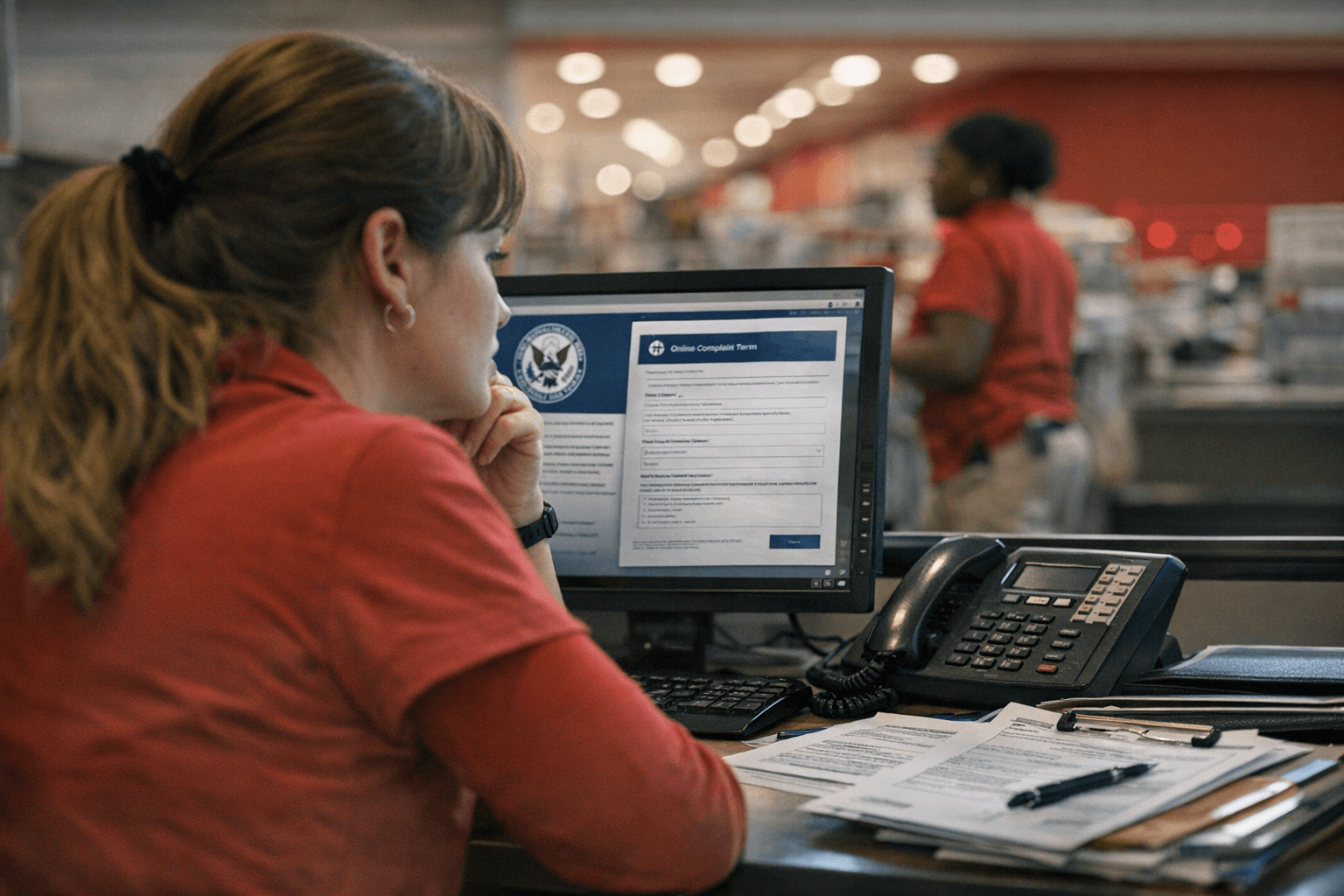
The Equal Employment Opportunity Commission has published clear instructions for Target employees who believe they experienced discrimination, harassment, or retaliation, detailing how to file a charge and the deadlines that apply. The guidance points workers to an online Public Portal as the preferred filing method, while also providing a toll-free intake number and in-person or mail options at local EEOC field offices.
Employees can start a charge through the EEOC Public Portal, which the agency recommends, or by calling 1-800-669-4000 to initiate intake by telephone. Team members who prefer a traditional route may submit documents in person or by mail to their nearest EEOC field office. The guidance spells out the basic elements a charge should include: the complainant’s contact information, the employer’s identity and location, a concise description of the alleged discriminatory acts, relevant dates, and any supporting evidence or witness information.
Timing is central to the guidance. In most cases a charge must be filed within 180 days of the alleged discriminatory act. That deadline is extended to 300 days in situations where a state or local Fair Employment Practices Agency also enforces the law, creating a longer window for workers in many jurisdictions. Missing these deadlines can limit options for federal enforcement, so the EEOC emphasizes prompt action.
After a charge is filed, the agency describes a sequence of steps that can include an initial intake, mediation offers, and a formal investigation. Mediation is an early-stage, voluntary option intended to resolve disputes without a full investigation. If mediation is declined or does not resolve the matter, the EEOC may investigate the charge, seek a negotiated resolution, or close the case. Procedural outcomes include issuance of a Notice of Right to Sue, potential EEOC litigation on behalf of the worker, or dismissal of the charge if the agency declines to pursue it.
For Target team members, the guidance clarifies how to preserve legal options and engage with federal enforcement outside of company channels. Filing a charge does not prevent an employee from also using internal reporting mechanisms, but it establishes a parallel route to federal review and potential remedies. Timely documentation of incidents, preservation of records such as schedules, messages, and witness names, and awareness of the filing windows will shape whether a claim can move forward.
The EEOC materials serve as the primary federal roadmap for filing discrimination, harassment, or retaliation complaints. Target employees can access the EEOC Public Portal at content.govdelivery.com/accounts/USEEOC/bulletins/3d0a360 or call 1-800-669-4000 for intake options, and they can file in person or by mail at their local EEOC field office. The practical takeaway for workers is straightforward: act promptly, document incidents, and use the portal or phone intake to preserve enforcement options.
Know something we missed? Have a correction or additional information?
Submit a Tip