EHRC issues guidance on single-sex spaces after Supreme Court ruling
The EHRC has turned the Supreme Court’s biological-sex ruling into practical guidance for toilets, changing rooms and other shared facilities.
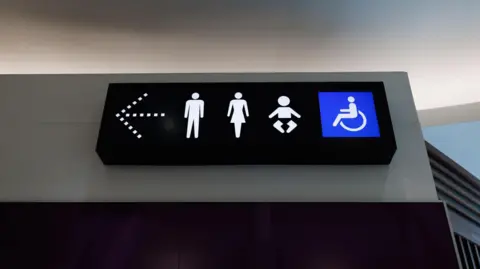
Employers, schools, hospitals and public venues now face the harder job of applying the Supreme Court’s ruling in everyday settings, after the Equality and Human Rights Commission issued guidance on single-sex spaces. The commission’s update follows the 16 April 2025 judgment in For Women Scotland v The Scottish Ministers, when the court said the words “man,” “woman” and “sex” in the Equality Act 2010 refer to biological sex.
The ruling came from a panel led by Lord Reed, with Lord Hodge, Lord Lloyd-Jones, Lady Rose and Lady Simler also on the bench. The EHRC had intervened in the case to help the court on the legal and practical implications, and it has since been revising its code of practice for services, public functions and associations to reflect the judgment. That makes the new guidance less a political statement than an operational manual for institutions that must decide who can use toilets, changing rooms and washing facilities.
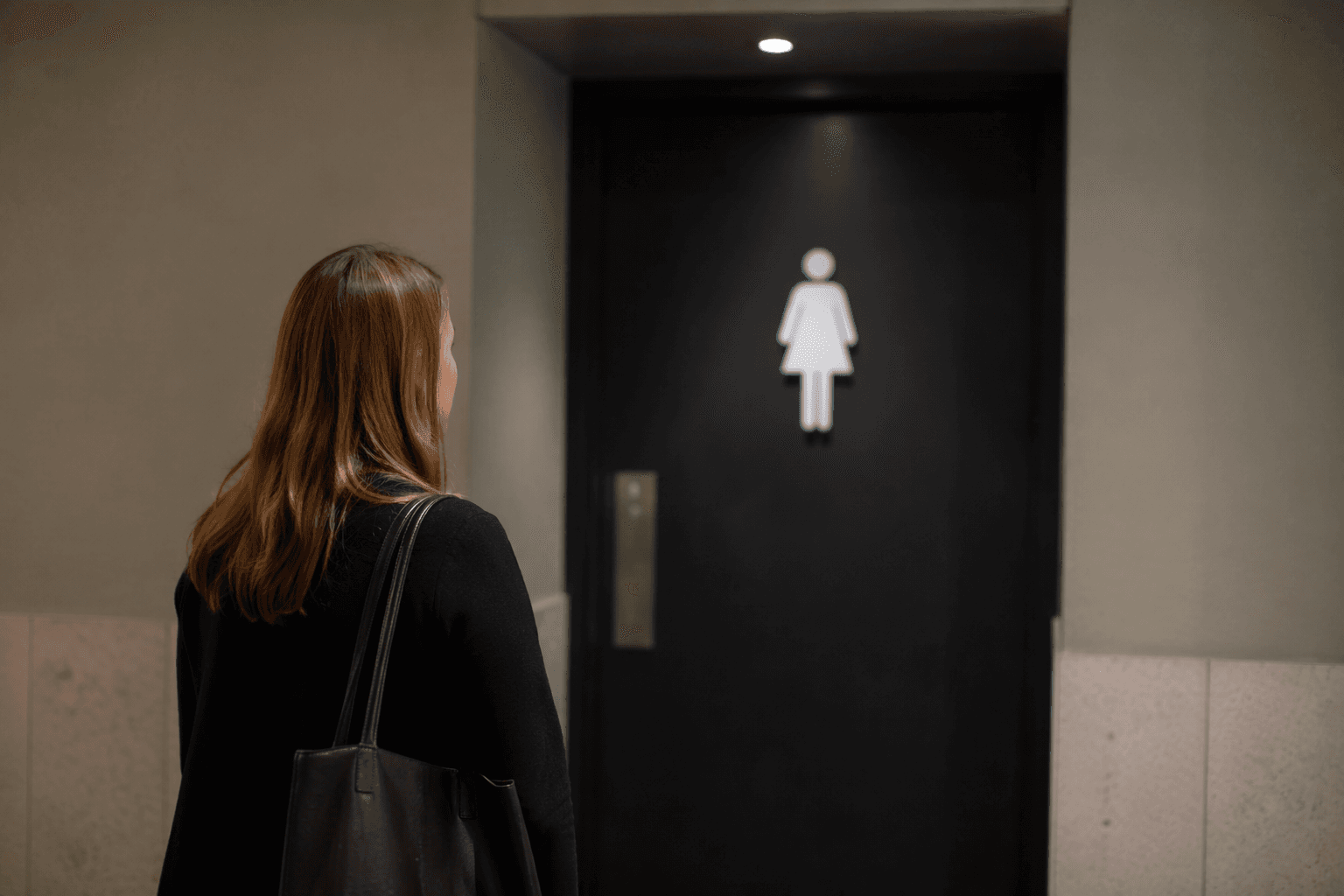
The commission said it reviewed 404 examples submitted through a government call for input in May 2024, with policies spanning policing, education and health. That evidence matters because it suggests the dispute is not confined to one sector or one type of building. It reaches reception desks, staff policies, school safeguarding, hospital facilities and public-facing services where administrators now have to align local rules with the Equality Act as interpreted by the court.

The EHRC has also said that trans people remain protected from discrimination under the Equality Act’s gender reassignment provisions. In another statement, it said a Gender Recognition Certificate does not change a person’s legal sex for the purposes of the Act. That leaves public bodies trying to balance clarity about single-sex provision with continuing anti-discrimination duties, a combination that is likely to produce complaints, policy reviews and legal challenge.

The issue is not limited to the guidance itself. The government separately introduced building-regulations changes on toilet provision after a 2023 consultation found 81% support for separate single-sex toilet facilities and 82% support for universal toilets where space allows. That consultation led to Part T, a new building-regulations requirement for toilet accommodation in buildings other than dwellings. Together, the court ruling, the EHRC guidance and the building rules now set the terms for how institutions will have to manage one of the most contested parts of public life.
Know something we missed? Have a correction or additional information?
Submit a Tip