Trump delays AI order, citing concerns it could slow U.S. lead
Trump froze a White House AI order after saying it could be a blocker, signaling a deeper fight over how much safety oversight Washington will accept.
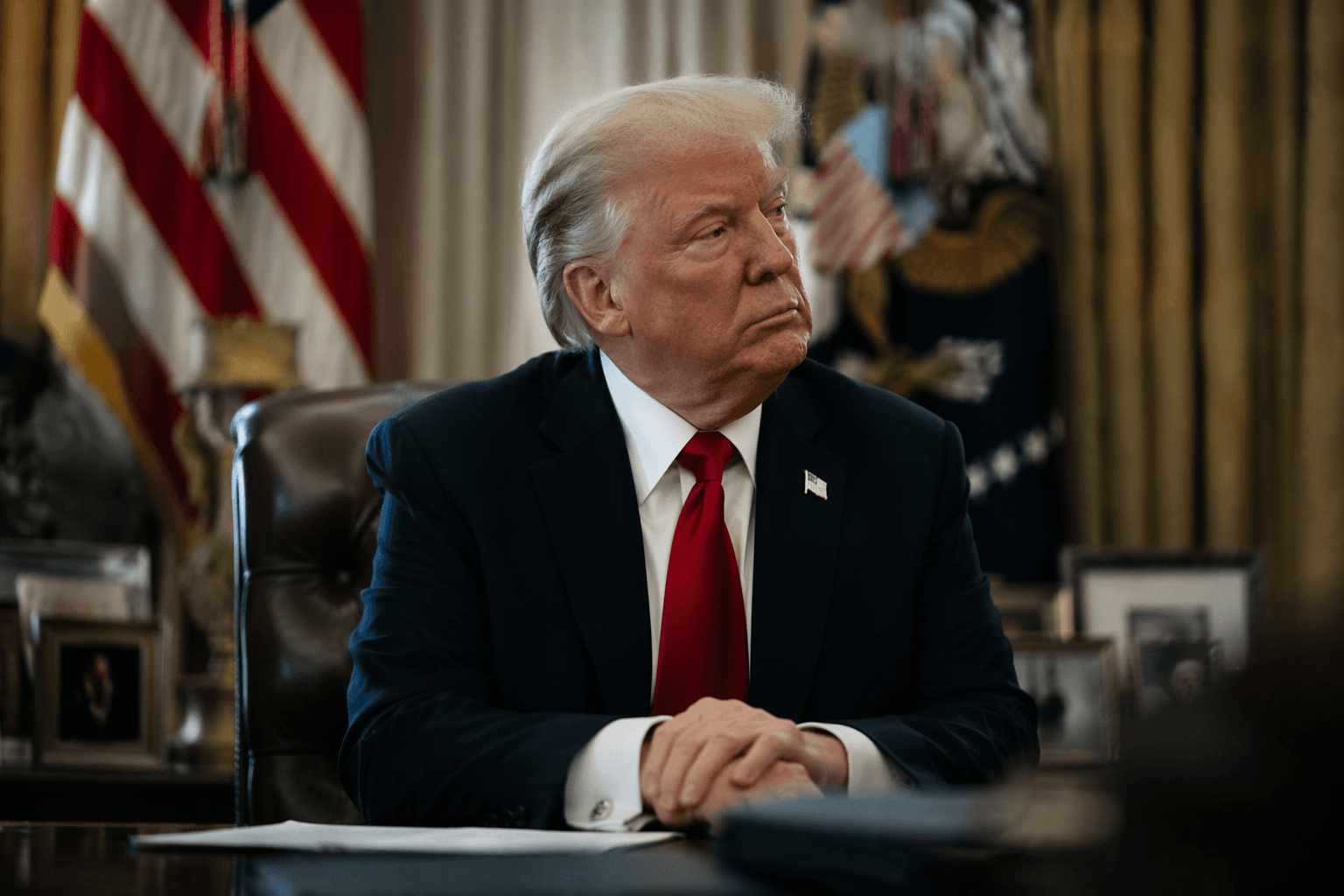
Donald Trump abruptly postponed a White House signing ceremony for an artificial intelligence executive order on Thursday after saying he “didn’t like certain aspects” of the draft and believed it “could have been a blocker,” a sign that the administration is still struggling to balance AI regulation with its push to keep the United States ahead of China.
Trump said he did not want to “do anything that’s going to get in the way” of leading the world on the technology. He added that the U.S. was ahead of China and did not want to slow that lead, while describing AI as a technology already “causing tremendous good” and bringing in jobs. The pause came even after leading AI executives had been briefed on the policy and invited to the White House for the planned signing.
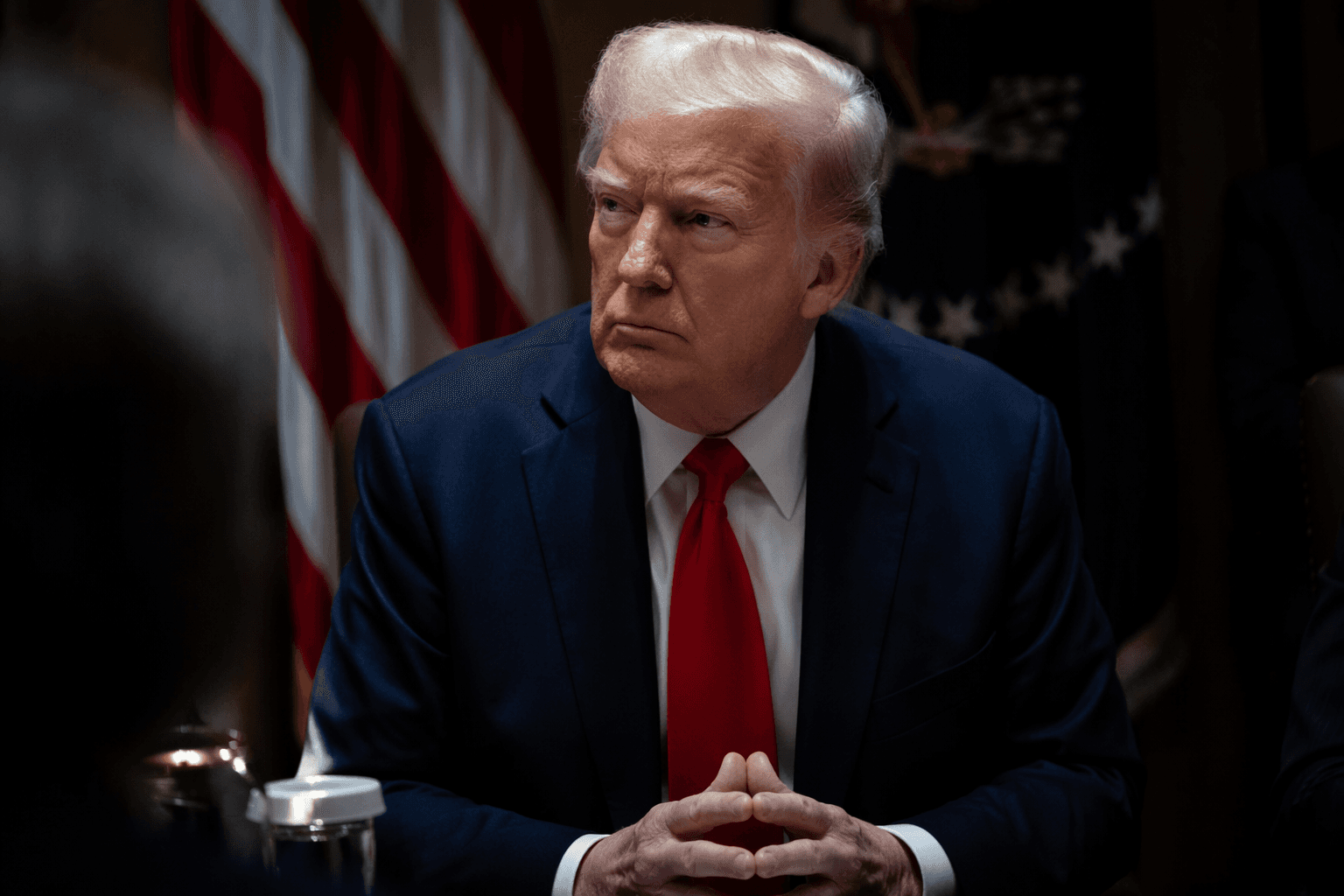
The order had been expected to create a voluntary federal framework for reviewing advanced AI models before public release, with security checks aimed at identifying vulnerabilities in powerful systems. That structure would have marked a notable shift for a White House that had previously taken a more hands-off approach, and it would have been one of the clearest federal attempts yet to put guardrails around frontier AI without imposing a hard regulatory regime.
The draft had also been part of a broader debate inside the administration over whether the government should move toward model-testing or some form of pre-release review for high-risk systems. Earlier versions of the proposal reportedly weighed involvement from agencies with cyber expertise, including coordination tied to the National Security Agency or the Treasury Department, underscoring how seriously the White House was treating the national security and economic stakes.
The postponement also reflected a wider Republican fight over how far Washington should go in policing AI, including earlier clashes over limits on state AI laws. For now, the delay leaves unresolved which guardrails will survive, which will be softened, and whether the White House will rewrite the order to make it less intrusive before trying again. It is a clear signal that Trump wants the politics of AI to emphasize speed, scale and global competition first, with safety rules only if they do not, in his words, get in the way.
Know something we missed? Have a correction or additional information?
Submit a Tip