Released documents show Queen Elizabeth backed Andrew’s trade envoy role
Newly released files show Queen Elizabeth II pressed for Andrew Mountbatten-Windsor to get a trade envoy role, while ministers found no record of formal vetting.
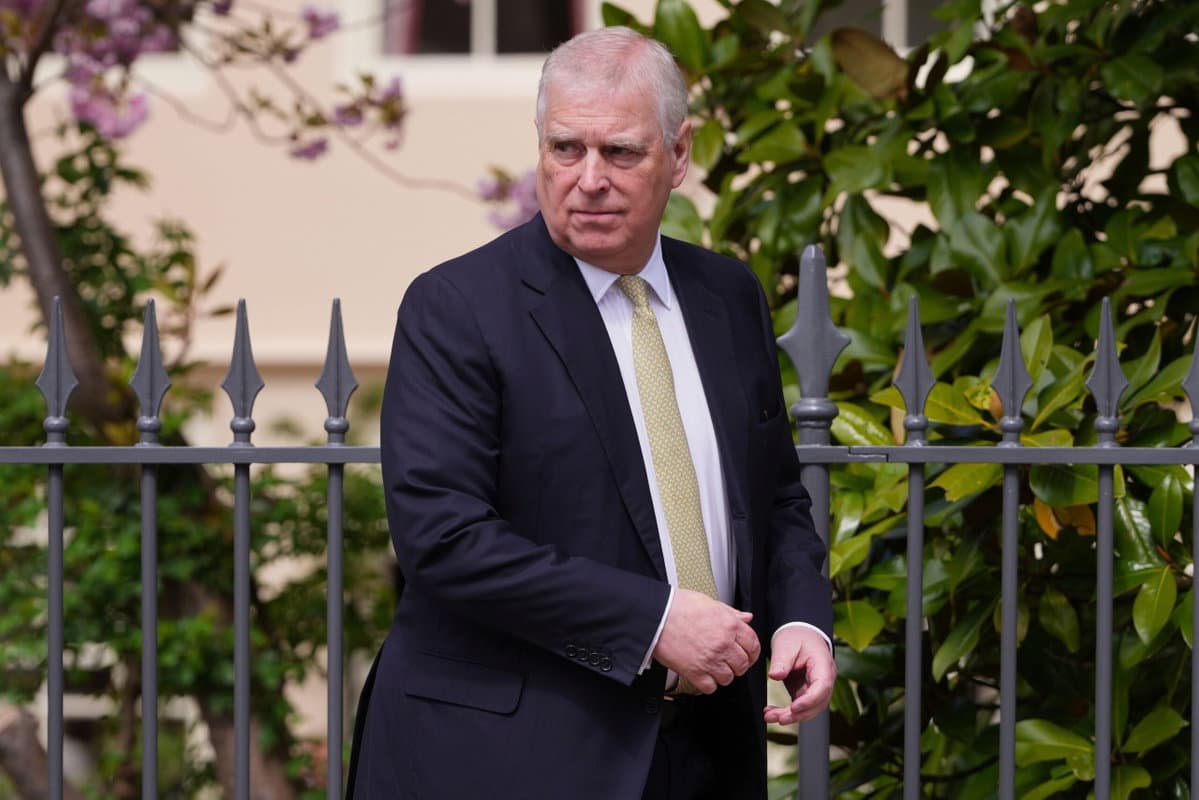
The release of 11 government documents has put Andrew Mountbatten-Windsor’s trade envoy appointment under fresh scrutiny, showing that Queen Elizabeth II backed him for the post and that ministers found no evidence of formal due diligence or security vetting before he took it.
The papers, published after a Humble Address motion agreed by the House of Commons on February 24, 2026, cover the creation of the Special Representative for Trade and Investment role in 2001, Andrew’s appointment, and the advice given by officials and ministers on suitability, due diligence and vetting. One document says the Queen’s wish was that the Duke of Kent should be succeeded in the role by the Duke of York, Andrew’s title at the time. Another records David Wright, then chief executive of British Trade International, saying he had a wide-ranging discussion with the late queen’s private secretary before the appointment was made.
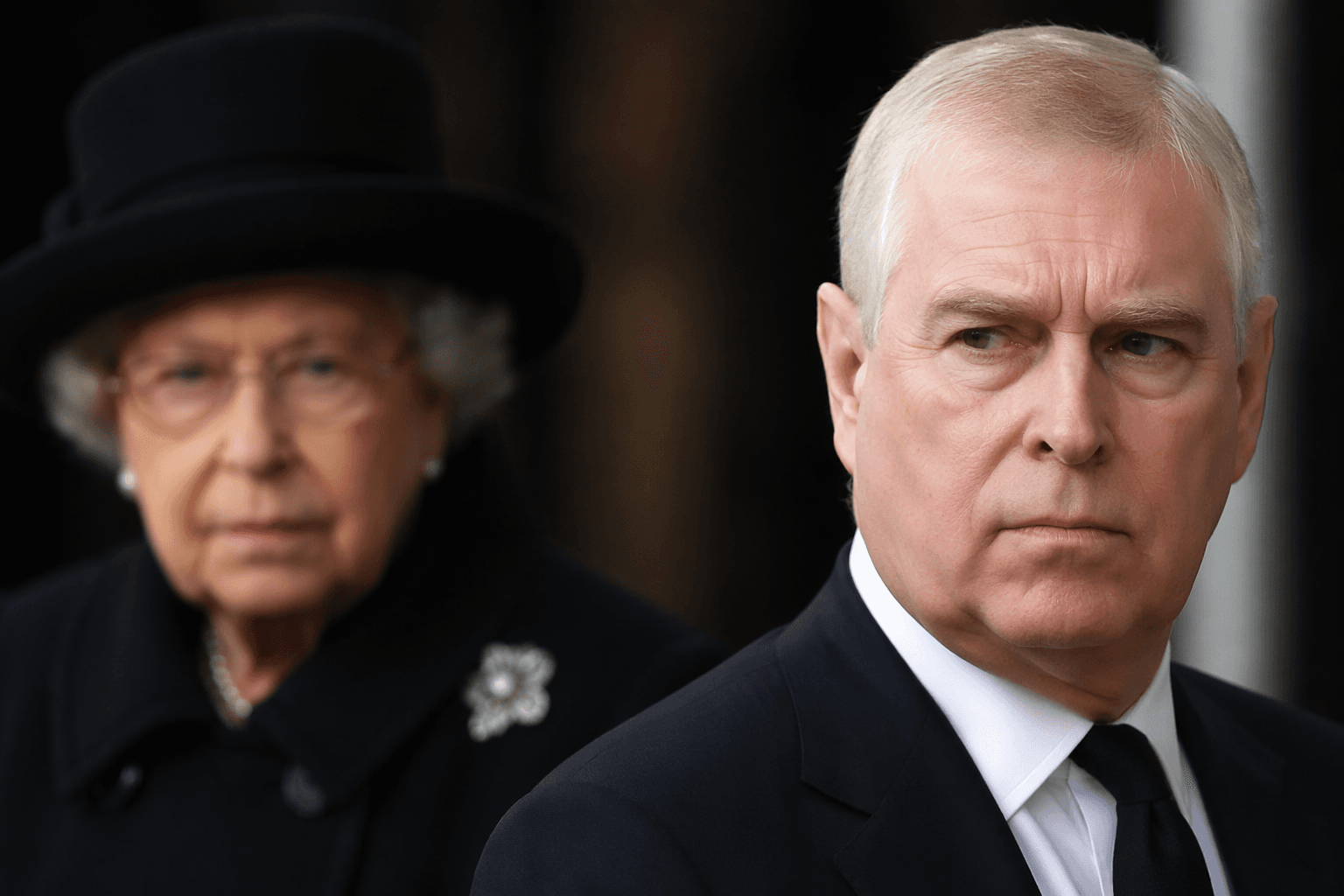
The disclosure sharpens a broader issue about how power worked inside the British state. Andrew served as the UK’s Special Representative for International Trade and Investment from 2001 to 2011, a post that allowed him to travel widely and meet senior business and government figures on behalf of the United Kingdom.
The appointment was not made in a vacuum. British Trade International was created in May 1999 to combine trade and investment promotion work, and Sir David Wright was appointed chief executive with reporting lines to the foreign secretary, the trade secretary and the BTI board. A 2001 government report described that structure, and the organisation was renamed UK Trade & Investment in October 2003. The job Andrew received sat inside a formal trade-promotion apparatus, which makes the absence of recorded vetting more significant than a simple question of protocol.
The contrast with the current trade envoy system is stark. The government now says the programme has 32 unpaid parliamentary envoys covering 73 markets across six continents, a network built around elected politicians rather than a royal figure. That difference matters because it shows how far the state has moved toward a more transparent model of representation, even as the Andrew case raises doubts about how appointments were handled two decades ago.
The latest disclosure lands amid continuing controversy over Andrew’s public standing and his links to Jeffrey Epstein. In February 2026, he was arrested on suspicion of misconduct in public office over allegations involving confidential government documents sent to Epstein, then released under investigation. The newly opened files now leave a harder question for the monarchy and the government alike: whether a high-profile state role was shaped by royal preference, and whether standard safeguards were bypassed when scrutiny should have been strongest.
Know something we missed? Have a correction or additional information?
Submit a Tip