Eight-Week Mindfulness Program Lowers Burnout Symptoms in Students
A pilot study led by Velázquez‑Paniagua et al. found that an eight-week MBSR-style program reduced emotional exhaustion and depersonalization among university students in Mexico, with accompanying reductions in cortisol and inflammatory markers. The combined self-report and biomarker results strengthen the case for universities to expand accessible mindfulness offerings while pursuing larger, more representative research.
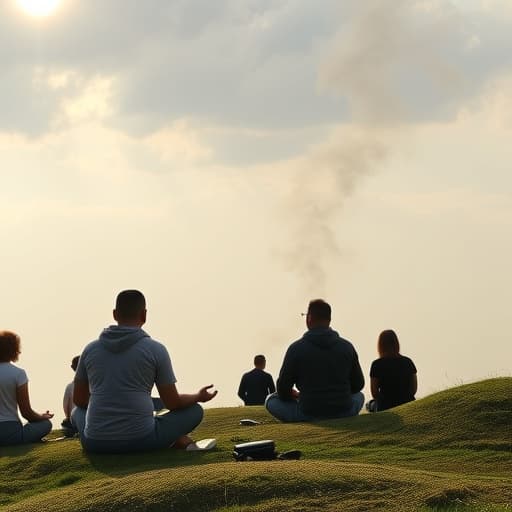
Researchers conducted a pilot study testing an eight-week mindfulness-based stress reduction style program with a sample of university students in Mexico and reported reductions in core burnout symptoms after the intervention. Participants reported lower emotional exhaustion and less depersonalization on self-report measures, while physiological stress biomarkers such as cortisol and inflammatory markers also decreased after the program, indicating changes that were both subjective and biological.
The curriculum delivered guided meditation, mindful breathing, and body-awareness exercises within a structured eight-week framework. Study authors emphasized the value of pairing subjective measures with biomarker data to build a fuller picture of intervention effects. Qualitative feedback from participants noted improved focus, better emotional regulation, and a greater ability to manage academic pressure, highlighting benefits that extend into day-to-day student life.
For campus mental health services and student affairs teams, the study provides practical direction. Start by offering structured, time-limited programs that include core MBSR practices and ensure sessions are led by trained facilitators. Combine routine self-report measures of burnout and stress with feasible physiological assessments when possible to track both perceived and biological outcomes. Provide multiple delivery modes, including in-person and remote options, and remove financial barriers through sliding-scale fees or free offerings so students across socioeconomic backgrounds can participate.

Caveats remain. As a pilot study, the sample was limited and not yet broadly representative. Larger randomized trials are necessary to confirm durability of benefits, determine which student subgroups gain the most, and identify optimal program dosage and delivery formats. Evaluations should also examine long-term academic and mental health outcomes beyond immediate symptom change.
The study points toward a scalable approach for universities aiming to reduce student burnout: implement structured mindfulness programs, measure both experience and biology where feasible, and design access pathways that reach economically diverse populations. Researchers and campus leaders who want to follow this line of work are encouraged to replicate the combined subjective and biomarker methodology and to prioritize inclusivity when expanding offerings.
Sources:
Know something we missed? Have a correction or additional information?
Submit a Tip