El Niño could trigger fifth global mass coral bleaching event
El Niño has an 82% chance of forming this summer, and NOAA warns it could push stressed reefs into a fifth global bleaching event.

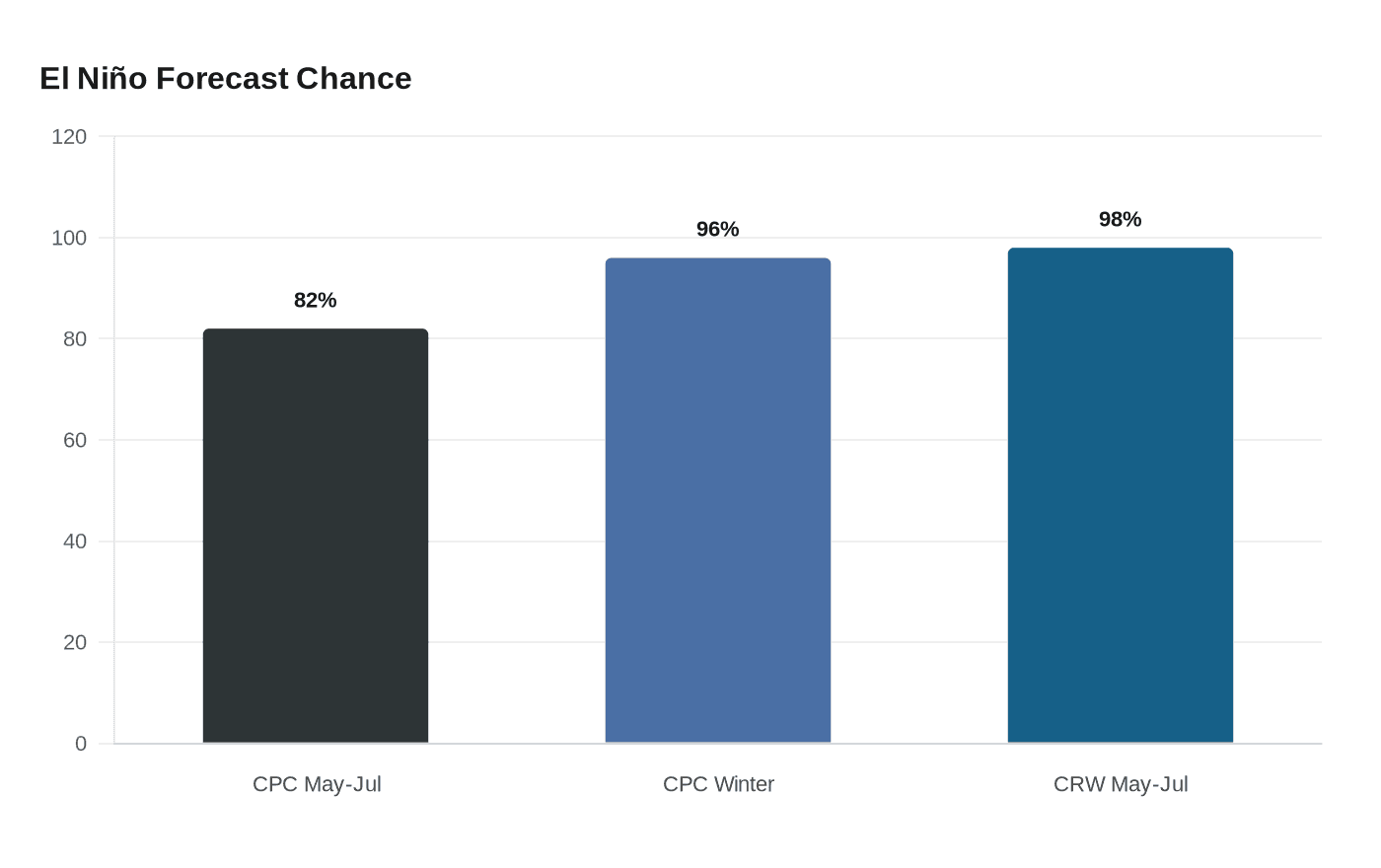
El Niño is likely to emerge soon, and NOAA says the timing could put another global coral reef disaster on the calendar. The agency’s Climate Prediction Center gives the pattern an 82% chance of developing in May-July 2026 and a 96% chance of lasting through the Northern Hemisphere winter of 2026-27, while NOAA Coral Reef Watch puts the likelihood of El Niño in the same window at 98% in one forecast outlook.
That warning lands just after NOAA said the world’s fourth mass coral bleaching event likely ended in 2025. NOAA said the 2023-2025 episode affected about 84.4% of the world’s coral reef area from January 1, 2023 to September 30, 2025, and was documented in at least 83 countries and territories. NOAA called it the biggest global coral bleaching event to date, surpassing the 2014-2017 event, which hit 68.2% of the world’s reef area.
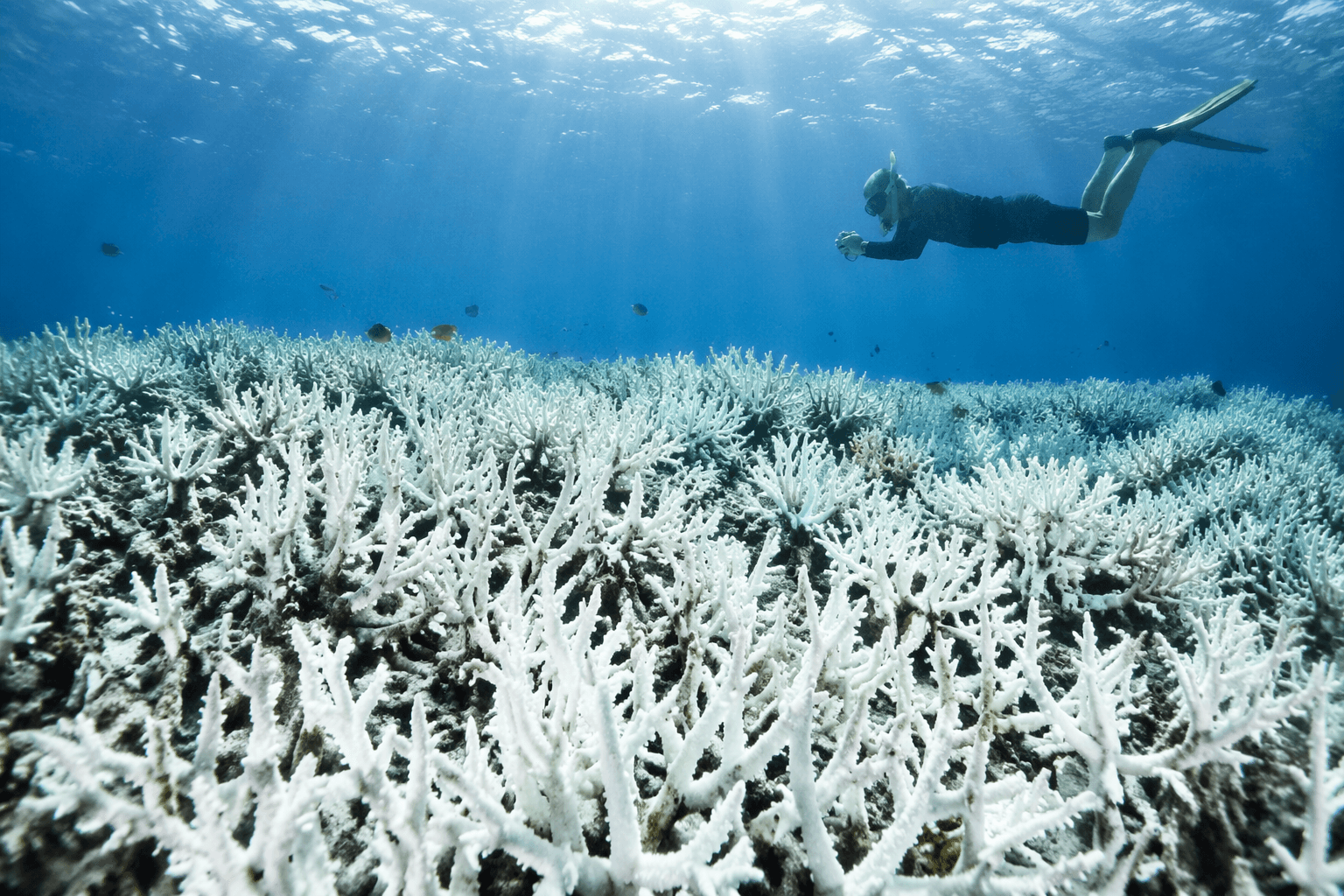
The sequence matters because each bleaching episode leaves reefs more fragile, and repeated heat stress can push them from temporary damage into long-term collapse. That is not only an environmental alarm. Coral reefs support fisheries that feed coastal communities, draw tourism dollars to places from the Caribbean to the Florida Keys, and help blunt wave energy before it reaches shorelines. When reefs bleach and die, the losses can ripple through food supply, local jobs and coastal protection at the same time.
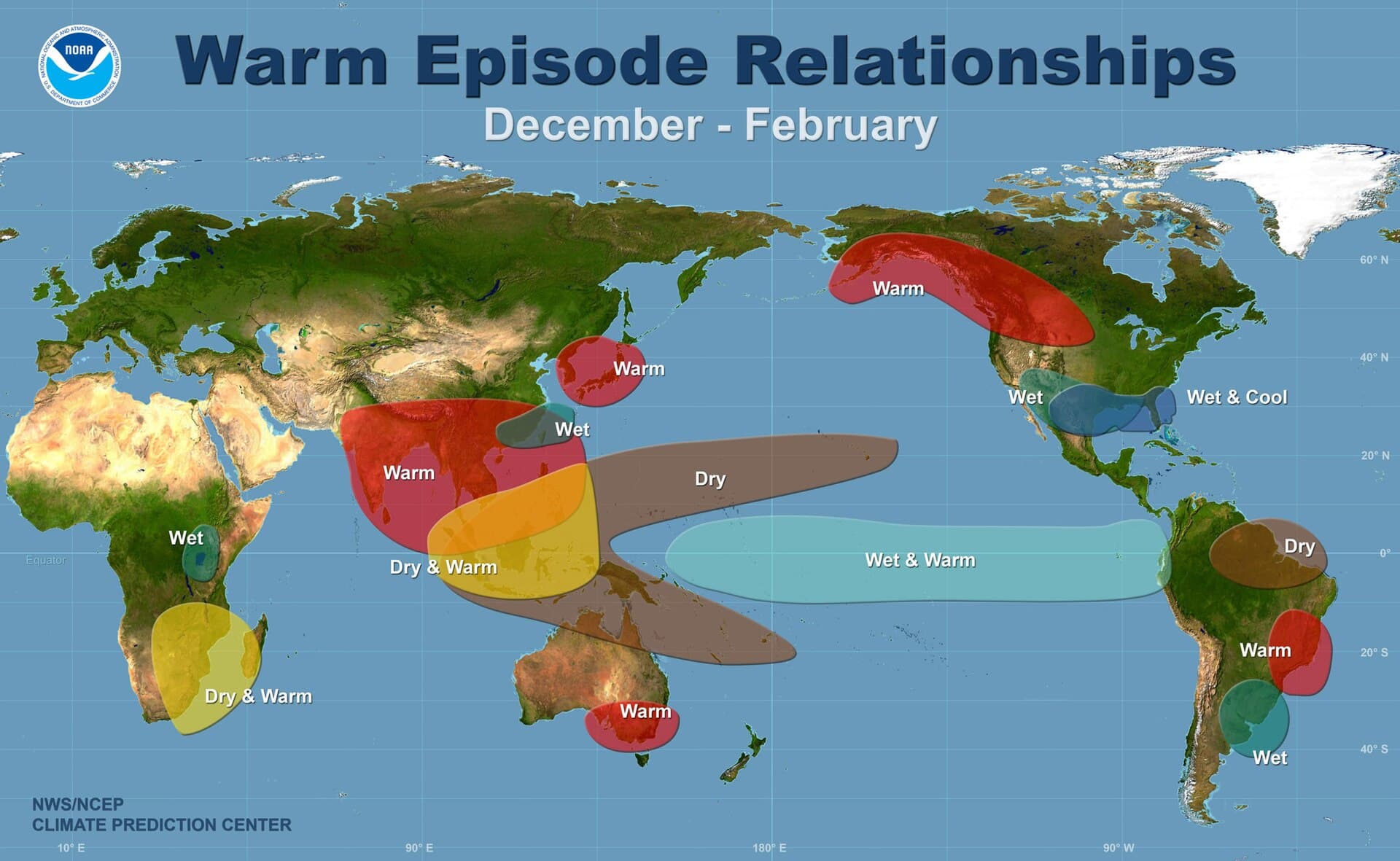
NOAA has documented a clear pattern of escalation. In the satellite era, global mass bleaching events were first recorded in 1997-1998, then again in 2009-2010, 2014-2017 and 2023-2025. NOAA says stronger El Niño events do not guarantee stronger coral impacts, but they make those impacts more likely by raising ocean heat stress across the Atlantic, Pacific and Indian oceans.
NOAA Coral Reef Watch says its satellite early-warning system has successfully predicted and monitored every major global mass bleaching event since 1997. That system is now showing heat stress already persisting in multiple reef regions around the world as early June 2026, leaving little margin if ocean temperatures climb further. For reefs already battered by the last cycle, a new El Niño could turn an unprecedented bleaching run into a deeper economic and ecological shock.
This article was produced by Prism’s automated news system from verified source data, official records, and press releases, then run through automated quality and moderation checks before publishing. The system is built and supervised by the people who set the standards it runs under. Read our full AI policy.
Know something we missed? Have a correction or additional information?
Submit a Tip