Employers plan 5.6% more graduate hires, reversing earlier slowdown fears
Employers now expect 5.6% more Class of 2026 hires, but the rebound is uneven and 45% still call the market only fair.

Employers are planning to hire 5.6% more recent graduates this spring, a sharper turnaround than many expected and a sign that the first rung of the career ladder has not closed, even if it has narrowed. National Association of Colleges and Employers’ April 2026 Job Outlook Spring Update, its final hiring projection for the Class of 2026, said more than one-third of respondents plan to bring in additional hires, with company growth and talent-pipeline needs helping drive the gain.
The improvement is real, but it is not broad-based. NACE said hiring growth was uneven across industries and employer types, and 45% of employers still described the overall market for new graduates as fair. That cautious verdict matters because it suggests the stronger headline number does not mean every major sector is opening doors at the same pace. Some employers are clearly rebuilding entry-level pipelines, while others are still moving carefully.

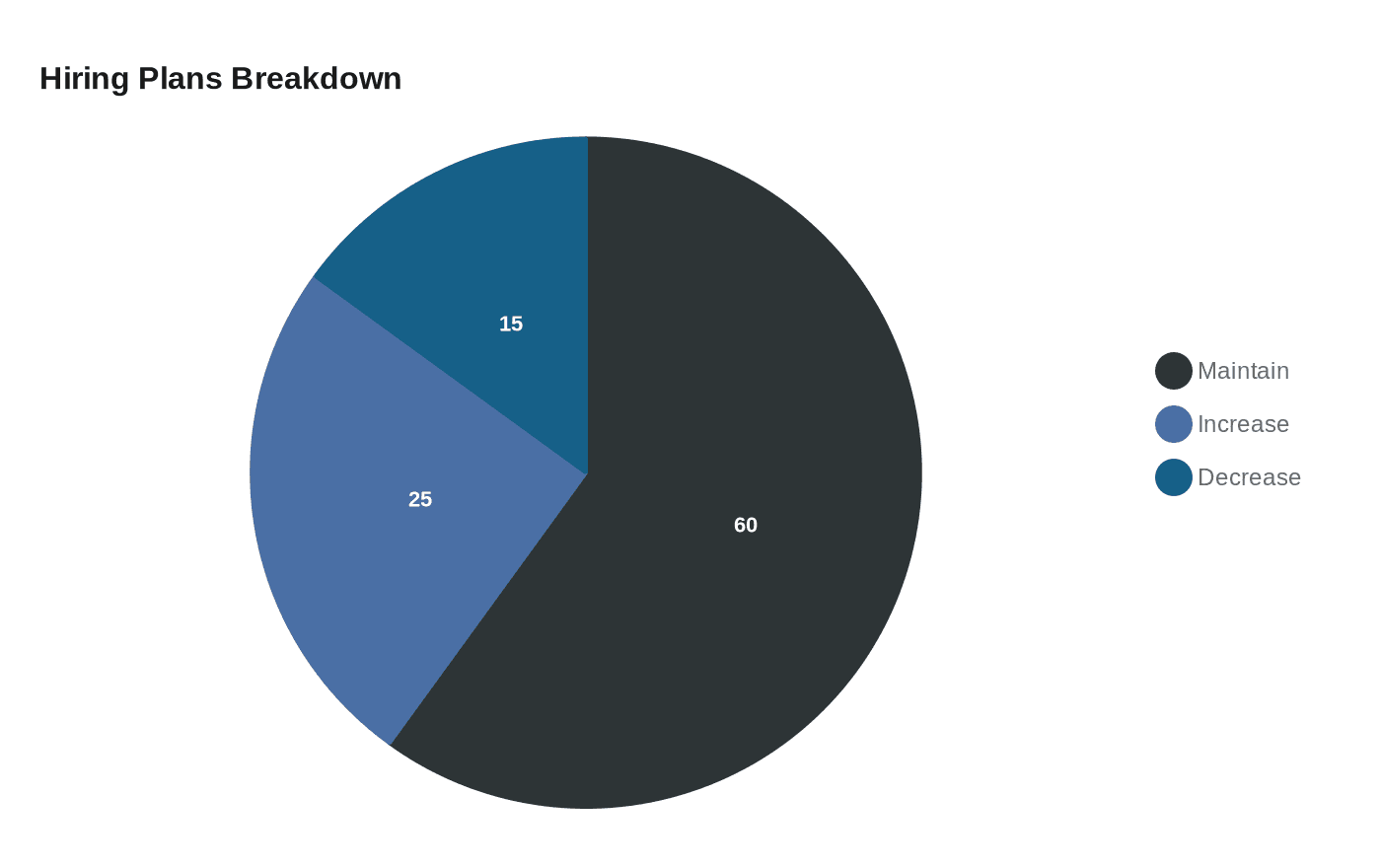
The spring update also marks a notable shift from the mood in late 2025. In NACE’s November 12, 2025 Job Outlook 2026 report, employers projected only a 1.6% increase in hiring for the Class of 2026. At that point, 60% said they would maintain hiring, 25% said they would increase it and 15% said they would decrease it. The latest forecast points to a market that has improved, but not one that has returned to the easy, across-the-board hiring conditions many graduates enjoyed before the pandemic.
Timing has changed too. NACE said 37% of full-time college recruiting is now taking place in the spring, compared with nearly three-quarters in the fall before the pandemic. Another 27% of internship recruiting is now happening in the spring. That later calendar gives employers more room to wait for business conditions to clarify, but it also means students can no longer assume most entry-level decisions are locked in by autumn.
For the Class of 2026, the message is straightforward: experience matters more, and AI is part of the screening process. NACE said nearly all respondents value U.S.-based internships, slightly more than three-quarters value co-ops, and more than 40% seek candidates with on-campus student work and apprenticeships. Nearly 70% now use skills-based hiring. Entry-level job posts require AI skills 10.5% of the time, while jobs overall require AI skills 13.3%, underscoring a market where the diploma opens the door, but applied experience and technical fluency help determine who gets through it.
This article was produced by Prism’s automated news system from verified source data, official records, and press releases, then run through automated quality and moderation checks before publishing. The system is built and supervised by the people who set the standards it runs under. Read our full AI policy.
Did this article answer your question?