Empty seats at Argentina’s World Cup quarterfinal despite Messi draw
Empty seats dotted Arrowhead Stadium during Argentina’s quarterfinal with Switzerland, even as FIFA called 69,045 fans a sellout. Resale tickets opened near $1,500.
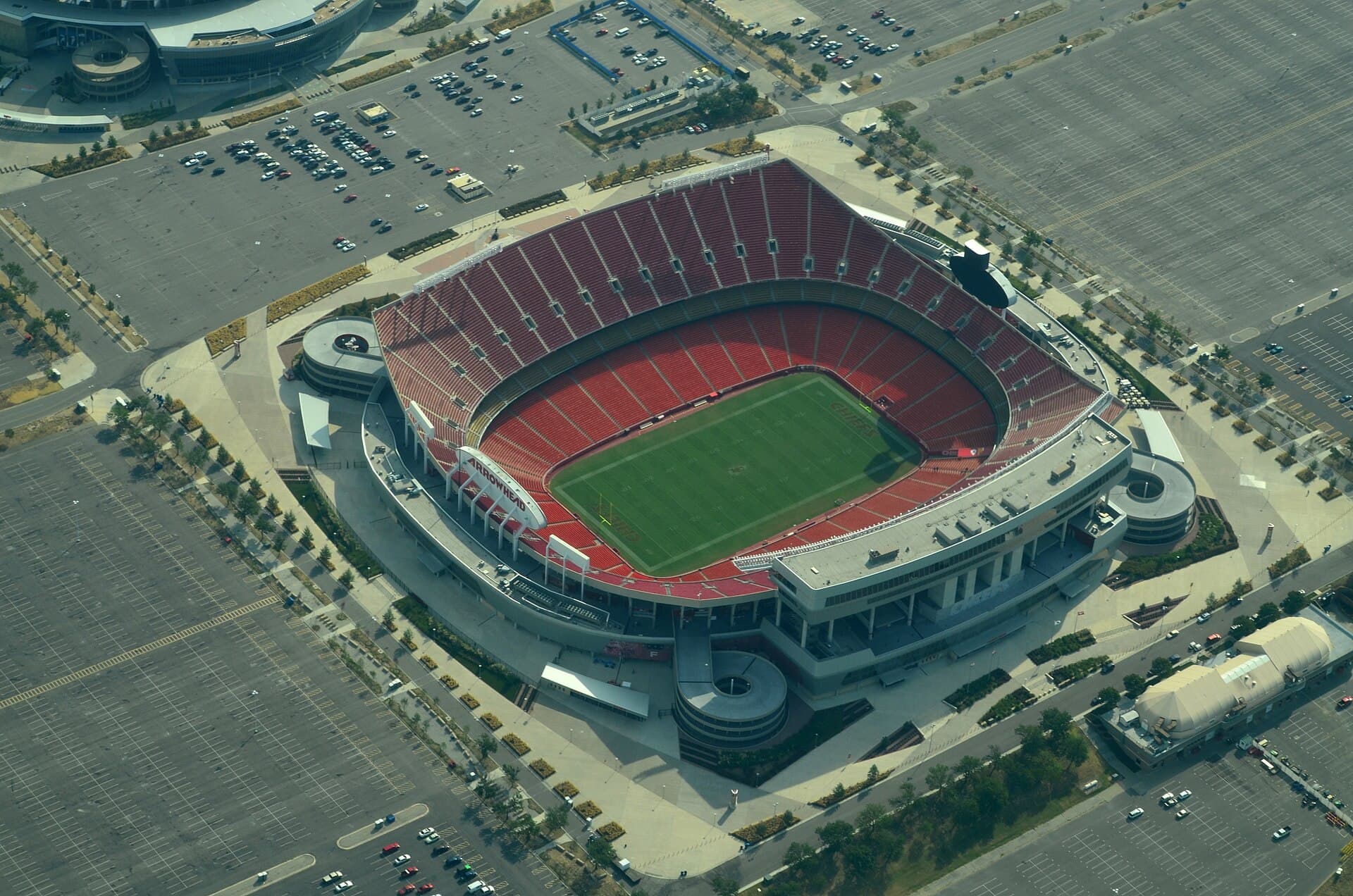
Visible empty seats remained at Arrowhead Stadium in Kansas City during Argentina’s quarterfinal against Switzerland, even as FIFA listed the match as a sellout crowd of 69,045. The World Cup figure was well below Arrowhead’s 76,416 capacity for Kansas City Chiefs games, underscoring how much the venue had been scaled back for the tournament.
The gap in the stands sharpened the affordability question around one of soccer’s biggest draws. Ticket listings for Argentina vs. Switzerland started around $1,500 on resale sites before kickoff, a price that pushed a quarterfinal featuring Lionel Messi far beyond what many ordinary supporters, traveling fans and Kansas City families could reasonably pay. The match was supposed to be a marquee event built around Messi’s presence; instead, the empty seats made pricing and access the more visible story.
Argentina had already turned Arrowhead into a showcase earlier in the tournament. Its group-stage opener at the stadium ended in a 3-0 win over Algeria, and Messi’s hat trick in that match made him the all-time leading World Cup goalscorer. That earlier crowd helped establish Arrowhead as one of the tournament’s most attractive venues. The quarterfinal showed that even a Messi-led Argentina could not guarantee a full house when ticket costs climbed into resale territory.
The scene also fit a wider pattern at the 2026 World Cup. Early matches drew criticism for visible gaps in the stands, and FIFA responded in some cases by saying fans were standing in concourses rather than in their assigned seats. But the repeated sight of empty sections kept attention on the economics of the event: dynamic pricing, speculative resale and the distance between official sellout numbers and the people who can actually afford to attend.
At Arrowhead, the issue was not whether Argentina remained a box-office draw. It was whether World Cup organizers had priced a premium event beyond the reach of the supporters who give the tournament its atmosphere.
This article was produced by Prism’s automated news system from verified source data, official records, and press releases, then run through automated quality and moderation checks before publishing. The system is built and supervised by the people who set the standards it runs under. Read our full AI policy.
Did this article answer your question?