McGregor’s UFC comeback ends in 69 seconds with knee injury
Conor McGregor's return collapsed 69 seconds in at UFC 329, when a right-leg injury handed Max Holloway a TKO win in Las Vegas.
Conor McGregor’s return to the Octagon collapsed in 69 seconds at UFC 329, as a right-leg injury on his opening kick ended the bout against Max Holloway and handed Holloway a TKO win at T-Mobile Arena in Las Vegas. The card, staged on July 11, 2026, was the headline event of International Fight Week and the UFC’s latest attempt to turn McGregor’s name into a national pay-per-view draw.
The fight carried a clear commercial logic. McGregor had not competed in the UFC since July 10, 2021, when his trilogy bout with Dustin Poirier at UFC 264 ended with a broken leg. The promotion sold his 2026 comeback as a five-year return, and it paired him with Holloway, the man he had beaten by unanimous decision in 2013, to add history to the pitch. Instead, the main event ended after 1 minute, 9 seconds of the first round, when McGregor appeared to injure his right leg or knee on the opening sequence and could not continue.
That abrupt ending exposed the same risk that has shadowed the UFC’s reliance on McGregor for years: the company can still use his star power to elevate a card, but it cannot control the fragility that comes with building a showcase around a fighter whose biggest selling point is also his biggest variable. UFC 329 was a 14-fight card, with Paddy Pimblett against Benoît Saint Denis placed in the co-main event, but the evening was built around McGregor’s return and the expectation that he could still move a major audience.
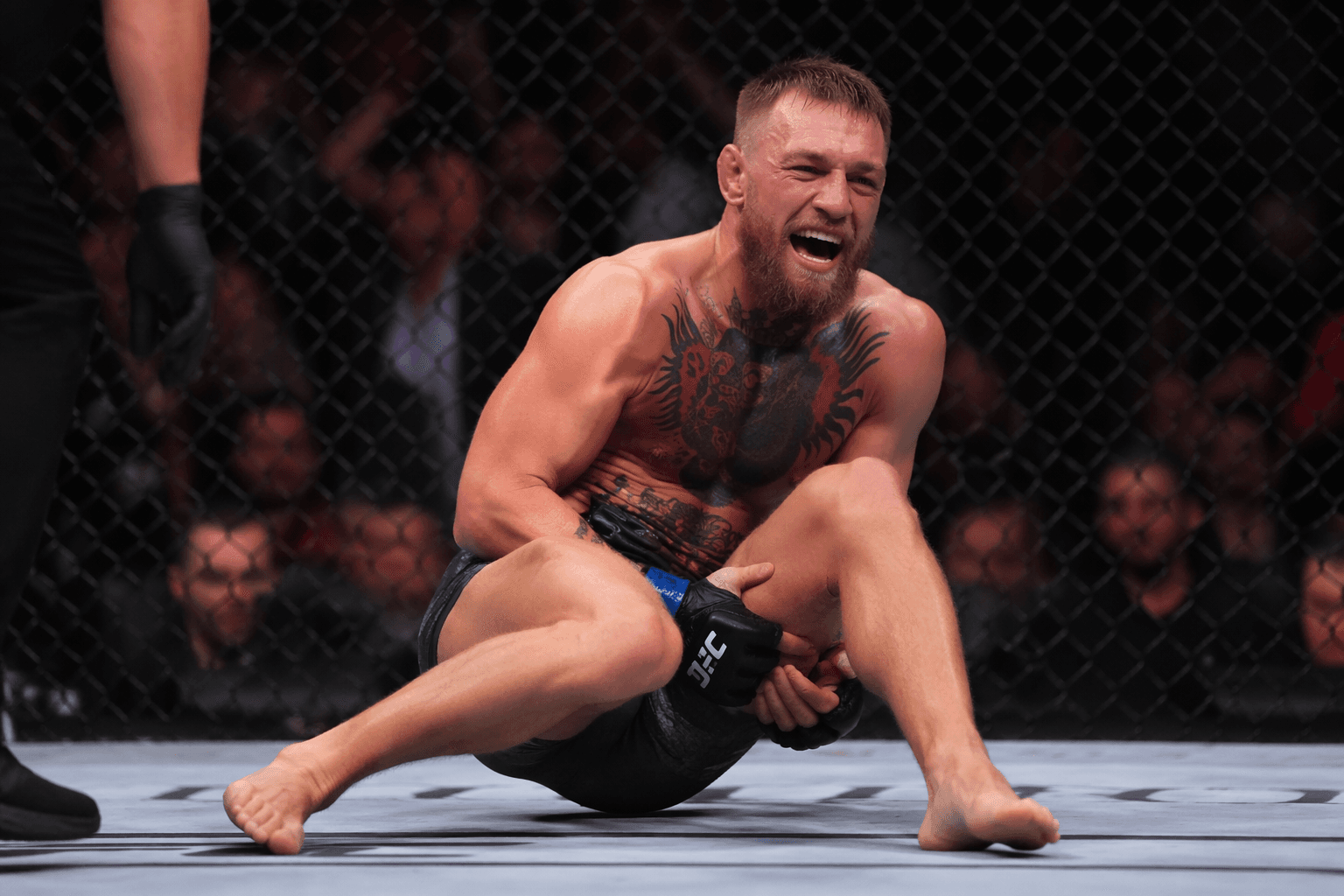
The aftermath quickly shifted from spectacle to damage control. Dana White pushed back on speculation that McGregor had entered the cage already hurt, and warm-up footage was released to counter pre-fight injury claims. Multiple reports said doctors suspected an ACL injury, while McGregor denied that he had been dealing with a preexisting problem. Holloway said after the fight that McGregor had called for him to keep fighting despite the injury.
For the UFC, the result was a familiar trade-off: a burst of attention from a legacy name with global reach, followed by another reminder that marquee cards built around aging, injury-prone stars can turn into abrupt shutdowns before the main event has time to justify the business model.
This article was produced by Prism’s automated news system from verified source data, official records, and press releases, then run through automated quality and moderation checks before publishing. The system is built and supervised by the people who set the standards it runs under. Read our full AI policy.
Did this article answer your question?