England schools urged to teach life-saving swimming skills under curriculum rules
England’s swimming rules are clear, but schools still struggle to deliver them consistently, leaving gaps that matter for drowning prevention and Year 6 attainment.
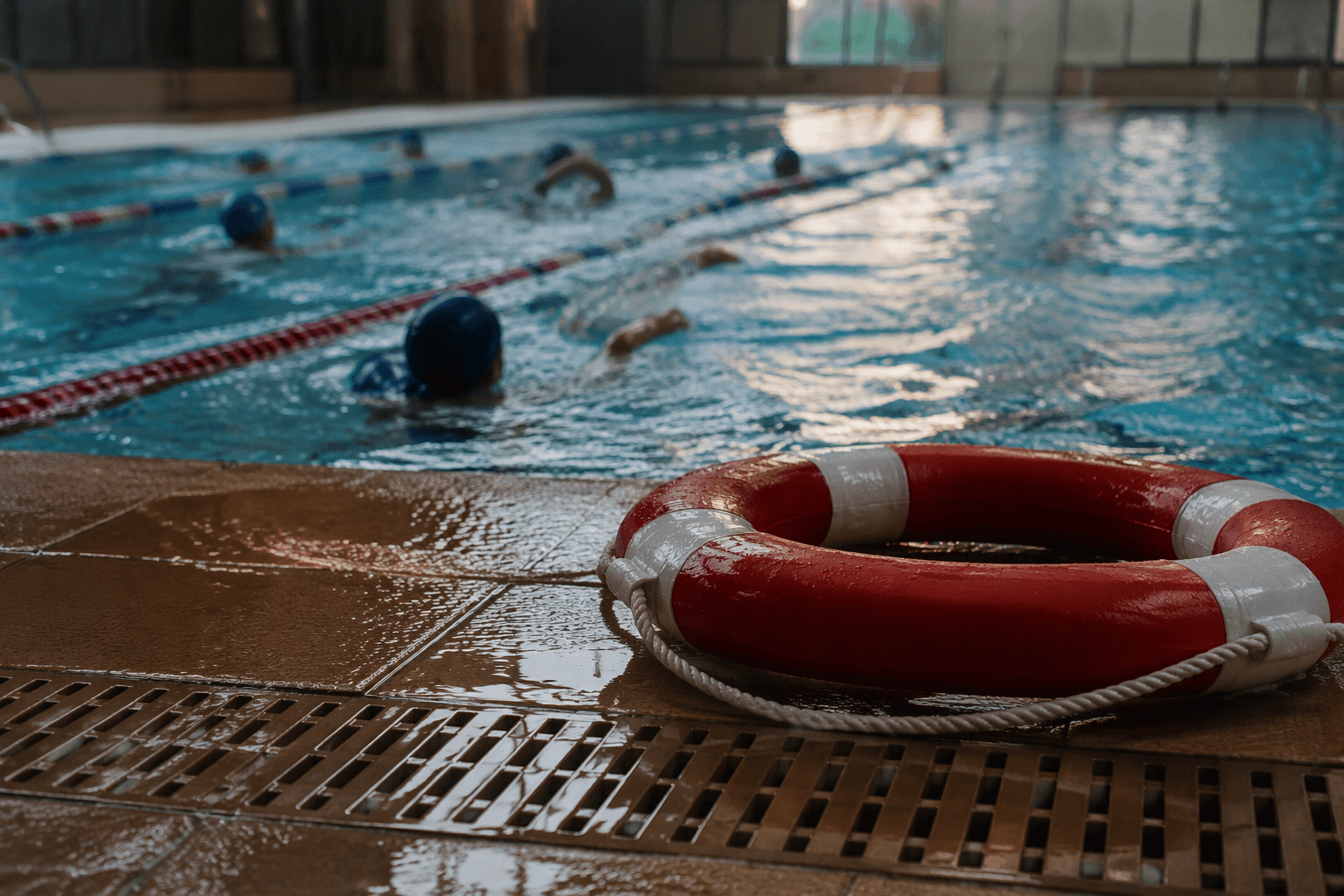
England’s primary swimming requirement is not optional, and the standard is specific: children must learn to swim 25 metres, use a range of strokes, and perform safe self-rescue in different water-based situations. The difficult part is not the rule itself, but whether every school turns that rule into enough pool time, enough teaching, and enough proof that pupils actually met the standard.
What the curriculum demands
The national curriculum in England requires primary pupils in Key Stage 1 or Key Stage 2 to be taught swimming as part of Physical Education. That means competent, confident and proficient swimming over at least 25 metres, effective use of a range of strokes, and safe self-rescue in different water-based situations. Swim England’s school swimming guidance says the requirement applies during Key Stage 1 or 2, and schools are expected to publish how many Year 6 pupils have met the national curriculum swimming and water safety standard.
Some schools make that duty explicit on their own pages. Deanesfield Primary School describes the swimming and water safety requirement as statutory and places it in its Year 4 planned curriculum. Beech Green Primary School goes further in public-facing material for Year 6, saying schools have an Ofsted-linked expectation to publish how many pupils achieve the national curriculum swimming standard. Those examples matter because they show the rule is not meant to live only in policy documents; it is supposed to be visible in school planning and in public reporting.
Where the inequality gap appears
The gap is revealed when the standard is treated unevenly from one school to another. Swim England has launched an online reporting tool to tackle what it called “unacceptable inequalities” in pupils’ attainment levels across the country, a sign that the issue is not whether the requirement exists but whether children experience it equally. That inequality has direct safety consequences, because Swim England says drowning is the third most common cause of accidental death in children.
The clearest warning sign came on 6 December 2024, when Swim England said the proportion of Year 7 pupils able to swim 25 metres unaided had fallen in the 2023-24 academic year, even though younger primary-age children showed a recovery. That matters because the primary-school years are when the curriculum is meant to lay the foundation. If pupils leave Year 6 without the minimum standard, the secondary phase can expose the deficit rather than fix it.
That is why the question is not just whether a school includes a few swimming sessions, but whether it consistently delivers the statutory outcomes. When provision is patchy, the children most likely to miss out are the ones whose schools struggle most to schedule lessons, track attainment, and turn statutory teaching into a real-life skill that can be used in open water, pools, and emergencies.
How the policy has been reinforced
National concern about school swimming has been sharpened by efforts to clarify what the curriculum actually means in practice. On 29 August 2023, Swim England teamed up with the Swimming Teachers’ Association to create a nine-point plan to clarify the national curriculum guidelines around performing safe self-rescue in different water-based situations. Swim England said the outcomes were designed to define the minimum standards required in school swimming and water safety lessons. It also said the Department for Education had confirmed there was no intention to alter the swimming requirement.
That message has been echoed in Department for Education communications. A 2021 Education Hub post said swimming and water safety are part of the school curriculum, and a June 2025 Education Hub post for Drowning Prevention Week, titled “what children learn about water safety at school,” repeated that message. Together, those posts show the department has continued to frame swimming and water safety as a core part of schooling rather than an optional extra.
Parliament has also kept the topic on the agenda. The House of Commons Library scheduled a water safety education debate for 19 June 2025, led by Darren Paffey MP. The Library briefing notes that education is devolved, but that England’s national curriculum still sets the swimming and water safety requirement. That combination gives the issue a broader policy context: school swimming sits inside education policy, but it is also part of the wider public health response to drowning risk.
What is changing next
The next layer of pressure comes from the wider school safety curriculum. A June 25, 2026 World of Swimming article said that from September 2026, updated RSHE guidance will make water safety education more explicit across school life in England. Under that change, pupils are to be taught how to recognise risk and keep safe around water, including the Water Safety Code.
If that guidance is implemented as described, it will add more structure around the existing swimming requirement rather than replace it. The practical message is already clear: schools are being asked not only to get children moving in the pool, but to build the habits, language and judgement that can help them stay alive around water. The curriculum already names the essentials; the remaining test is whether every school can deliver them and show that pupils have really learned them.
This article was produced by Prism’s automated news system from verified source data, official records, and press releases, then run through automated quality and moderation checks before publishing. The system is built and supervised by the people who set the standards it runs under. Read our full AI policy.
Did this article answer your question?