EU orders urgent A380 inspections after wing cracks found
Wing cracks forced five A380s out of service immediately, with 11 more under urgent inspection as EASA warned the damage could weaken the superjumbo’s wing.
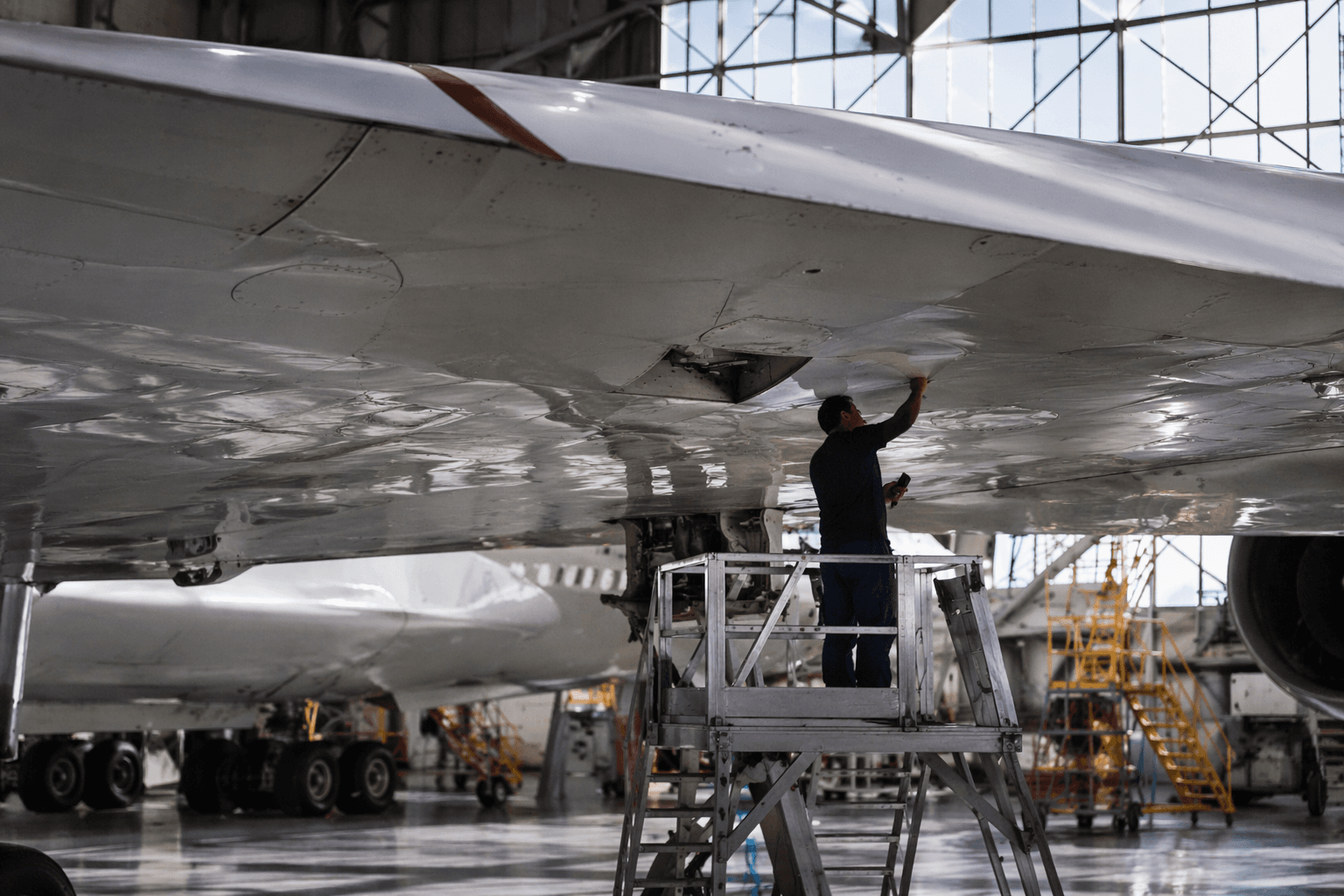
Europe’s aviation regulator ordered five Airbus A380s grounded immediately after finding cracks in wing structural components, triggering urgent inspections across 16 superjumbos and raising fresh questions about the aircraft’s long-term maintenance burden. The European Union Aviation Safety Agency issued Emergency Airworthiness Directive 2026-0119-E on June 22, effective June 24, after identifying cracks in wing mid-spars inside the wing box.
The directive covered 15 Emirates jets and one Qantas aircraft. Five Emirates A380s had to be inspected before their next flight, while the other 11 aircraft were required to undergo checks within 25 flight cycles. EASA said the cracks could reduce the wing’s structural integrity. Airbus told operators to use manufacturer inspection procedures and report the results within seven days, and any aircraft with discrepancies must be repaired before returning to service.
The regulator allowed limited ferry flights without passengers so aircraft can be repositioned for inspection, a move that should help airlines manage the immediate disruption but will still leave tight maintenance slots and schedule pressure across a fleet that remains central to long-haul operations. The affected Qantas aircraft, VH-OQI, was already in heavy maintenance in Dresden, Germany, and Qantas said its schedule would not be affected.
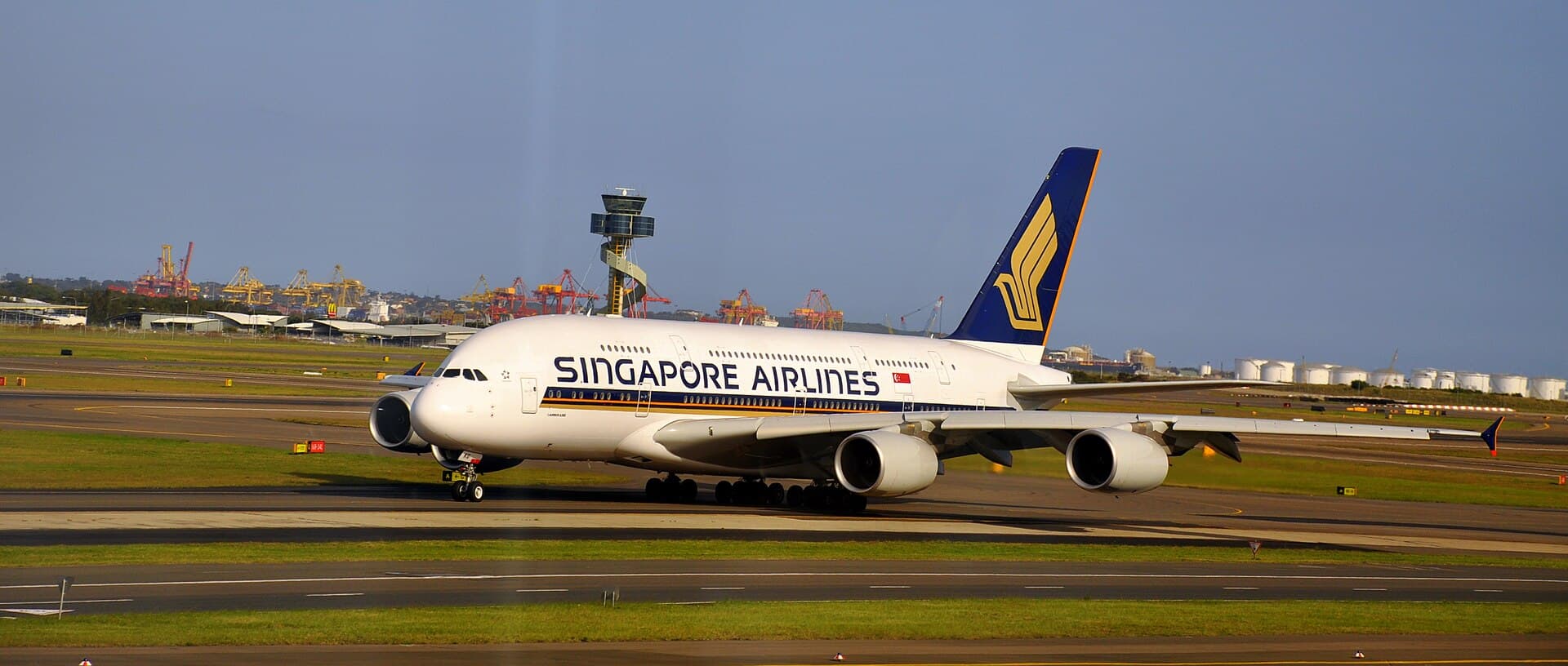
The order lands hardest on Emirates, the world’s largest A380 operator, which flies more than half of all active superjumbos and has more than 100 A380s in its fleet. For Airbus, the issue revives a familiar maintenance problem on a jet it stopped producing in 2021 after delivering 251 aircraft. The A380 entered service in 2007, but its scale means any structural inspection campaign can ripple through global schedules quickly when airlines rely on the type for high-capacity routes.
EASA had already ordered inspections of all in-service A380s in 2012 after cracks were found in wing attachments, and a 2025 directive had highlighted cracks in wing middle spars on A380s returning to service after storage. The latest action suggests regulators still see enough risk in the type’s wing structure to require rapid intervention rather than routine checks.
The directive also arrives as Airbus faces wider operational strain from supply-chain bottlenecks and a shortage of engines from Pratt & Whitney. That pressure gives the wing-crack finding a significance beyond a single maintenance event: it reaches into airline scheduling, regulatory oversight and the credibility of one of Europe’s most visible aircraft programs.
This article was produced by Prism’s automated news system from verified source data, official records, and press releases, then run through automated quality and moderation checks before publishing. The system is built and supervised by the people who set the standards it runs under. Read our full AI policy.
Know something we missed? Have a correction or additional information?
Submit a Tip