Israeli troops surround Hezbollah tunnel network in southern Lebanon
Israeli troops boxed in a Hezbollah tunnel complex in Tebnit, where about 30 fighters were trapped. The standoff unfolded alongside strikes on underground sites near Beaufort Castle and Majdal Zoun.
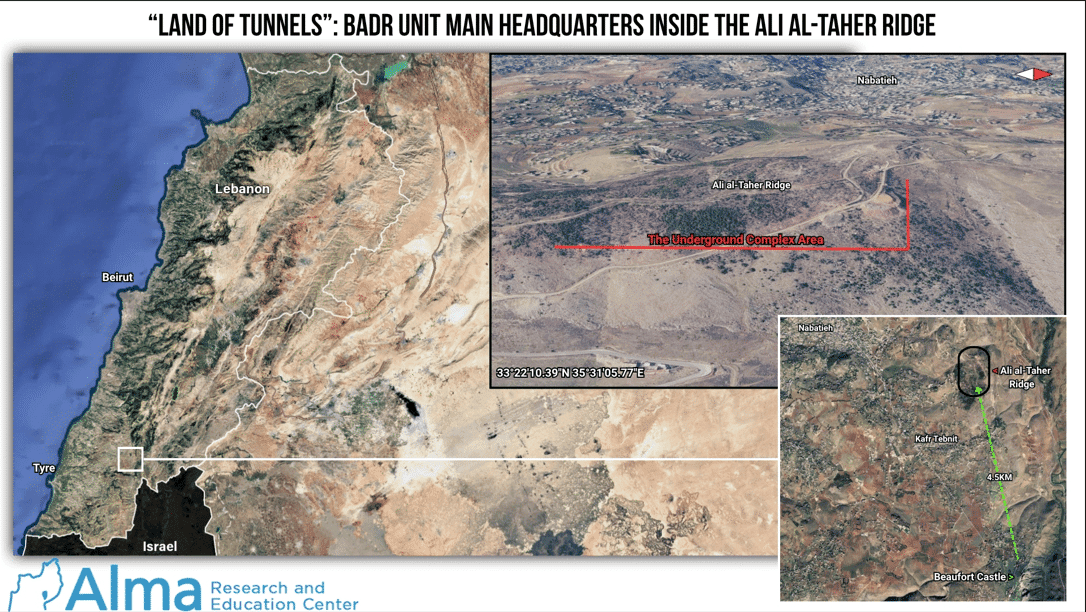
Israeli troops had surrounded a sprawling Hezbollah tunnel network in Tebnit, southern Lebanon, trapping roughly 30 fighters inside a complex described as more than a kilometer long. The standoff added a new layer to the fighting in the south, where the Israel Defense Forces said they were pressing underground targets inside a declared security zone while the Blue Line remained a zone of heavy combat and destruction.
The Tebnit site was part of a wider pattern of subterranean targets that Israeli forces said they had been striking across southern Lebanon. Near Beaufort Castle, the IDF said Hezbollah had built a major tunnel system with direct Iranian assistance and that the underground complex extended through several levels cut deep into rocky ground. Israeli officials have described the work there as a long-term effort, built over more than a decade.
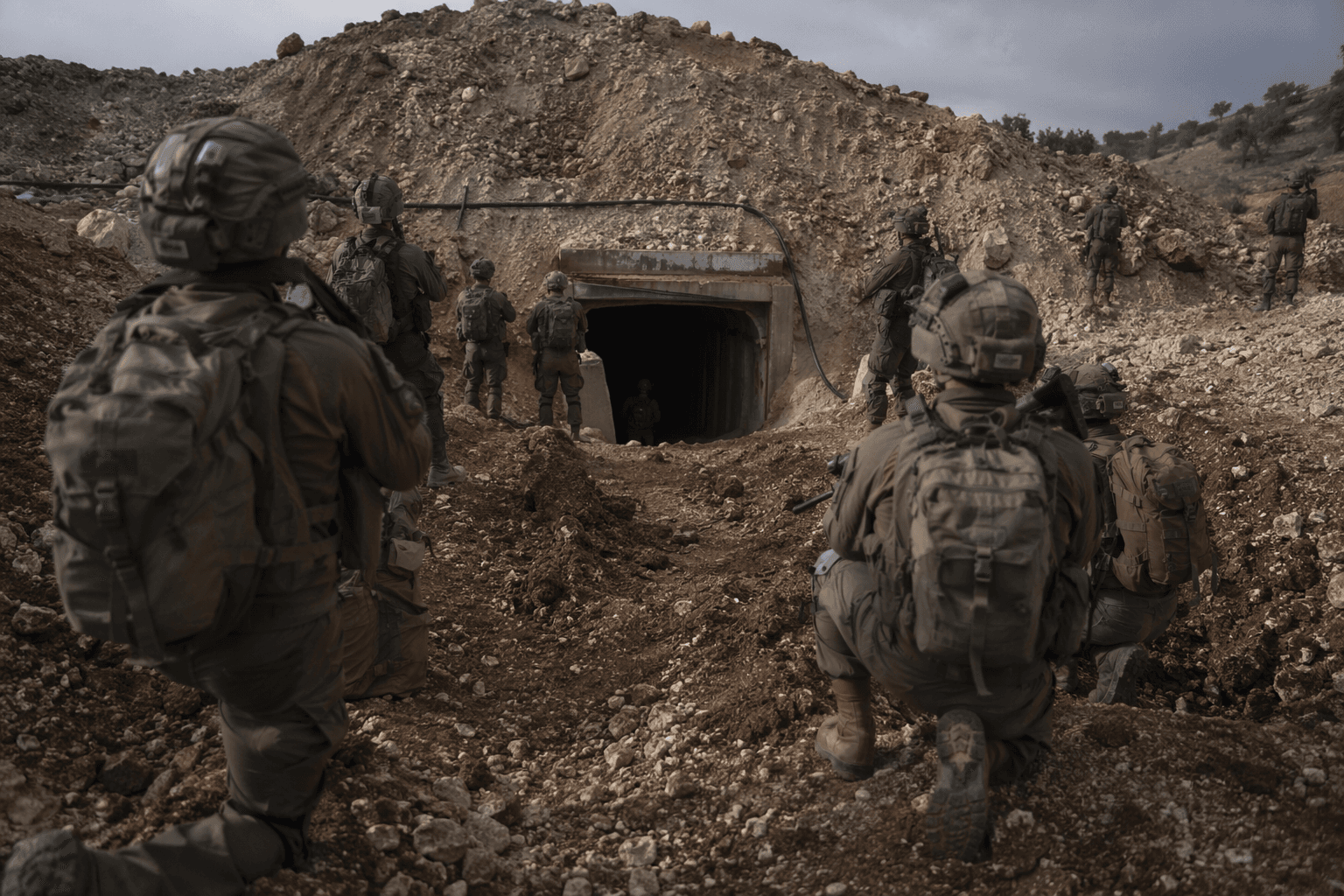
Elsewhere in the south, the IDF said soldiers from the 91st Division’s 551st Brigade took control of a massive tunnel in Majdal Zoun, about 10 kilometers inside Lebanon and roughly 200 meters long. In the Nabatieh area, seven terror operatives were killed after emerging from a tunnel as troops advanced, underscoring how the fighting has turned on exposure of hidden routes, not just open-ground clashes.
The underground campaign has widened the military and humanitarian stakes of the conflict. Fighting below ground can slow advances, raise casualty risks, and complicate rescue or evacuation efforts in villages already damaged by months of war. UN officials have said the situation along the Blue Line remained intensely volatile in June 2026, with large-scale destruction of homes and other civil infrastructure continuing in the south.
The confrontation came after fighting that began in October 2023 and a ceasefire agreement signed on November 27, 2024. Even after that deal, Lebanon’s army and UN peacekeepers reported finding Hezbollah tunnels and munitions in southern Lebanon, evidence that the underground network remained intact despite repeated inspections and ongoing enforcement efforts. The current standoff around Tebnit now sits at the center of a conflict that could still spread if the tunnel fighting draws in more territory, more forces, or more cross-border fire.
This article was produced by Prism’s automated news system from verified source data, official records, and press releases, then run through automated quality and moderation checks before publishing. The system is built and supervised by the people who set the standards it runs under. Read our full AI policy.
Know something we missed? Have a correction or additional information?
Submit a Tip