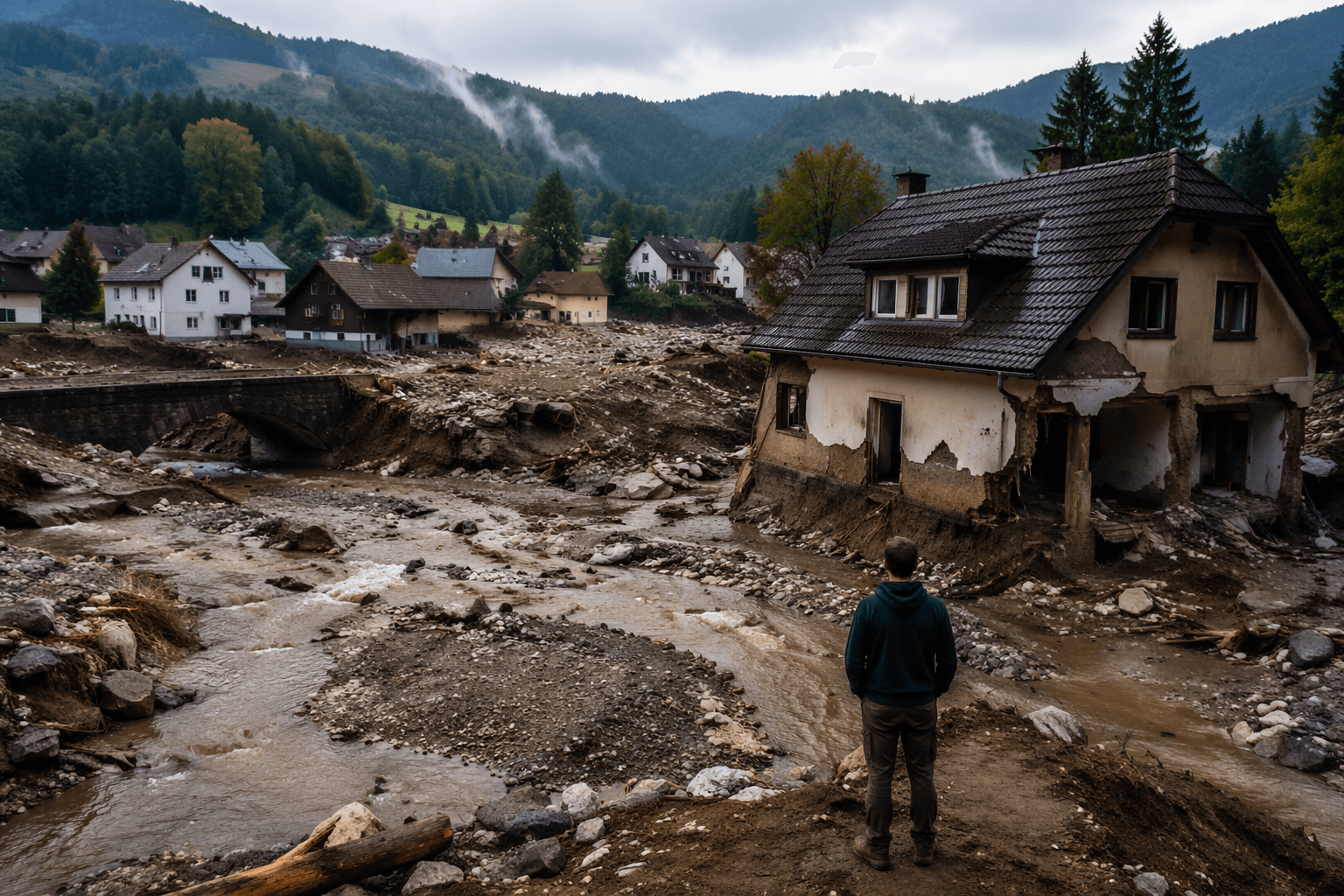
Moscow refinery to stay offline for six months after drone strikes
Moscow’s main refinery may stay idle for six months after drone hits, tightening fuel supply in the capital region and pressuring Russia’s wartime logistics.
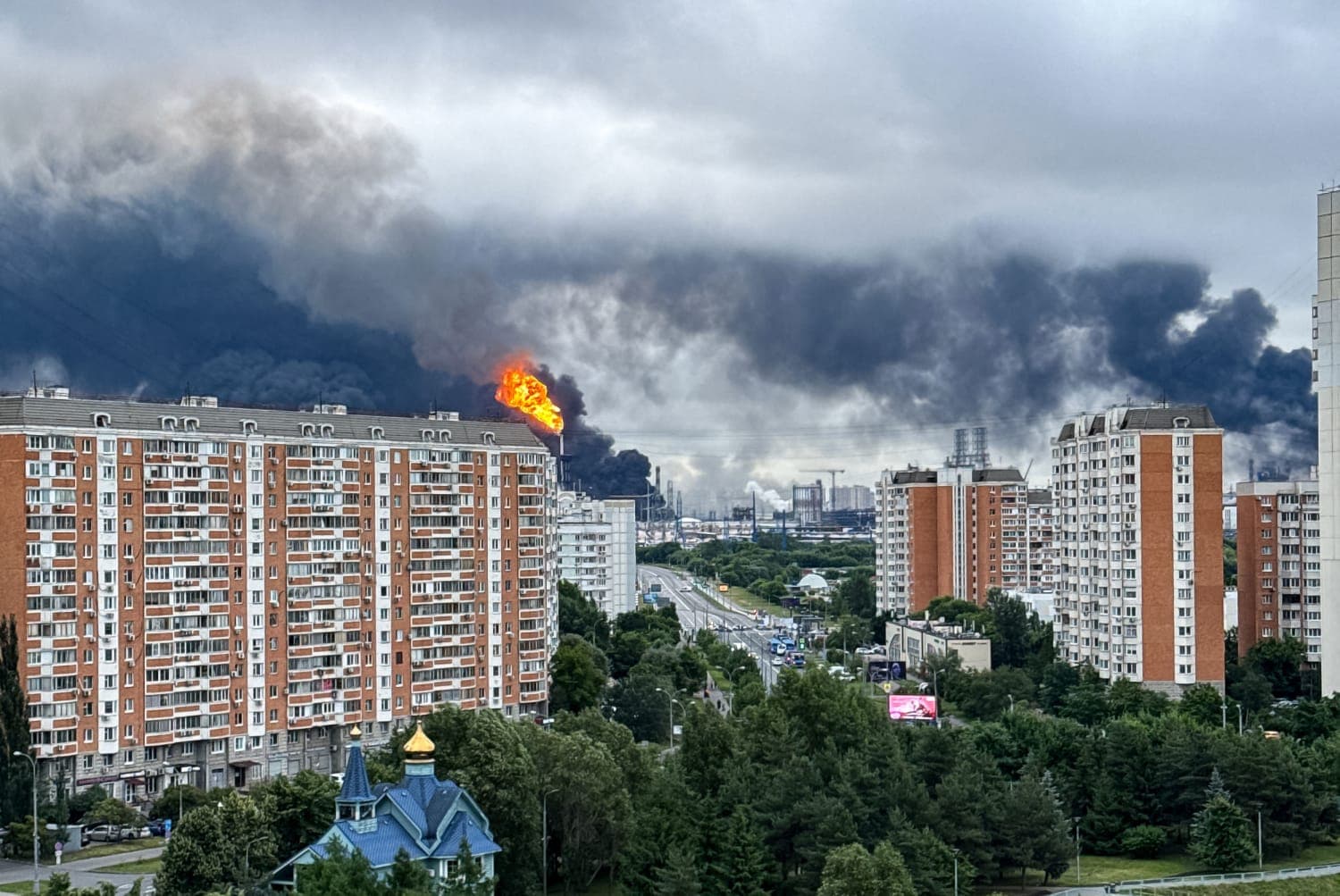
Moscow’s largest fuel supplier may stay offline for at least six months after repeated Ukrainian drone strikes knocked out key processing units at the Gazprom Neft-operated refinery in Kapotnya. The outage threatens fuel supply in Russia’s capital region and deepens pressure on a refining system already struggling with shortages, price increases and mounting disruption.
Two industry sources said repairs would take at least half a year, making a return to production this year unlikely. The plant sits on the southern outskirts of Moscow, about 15 kilometers southeast of the city center and roughly 15 kilometers from the Kremlin, giving the damage unusual weight in a city that has so far been far from the front line.
The refinery was hit on June 16 and again on June 18, with the attacks knocking out both primary oil-processing units in succession. Moscow Mayor Sergei Sobyanin said on June 16 that air defenses were repelling a large-scale drone attack and that some drones had struck the refinery. By June 18, Russian officials described the assault on the capital as one of the largest drone attacks since the start of the war.
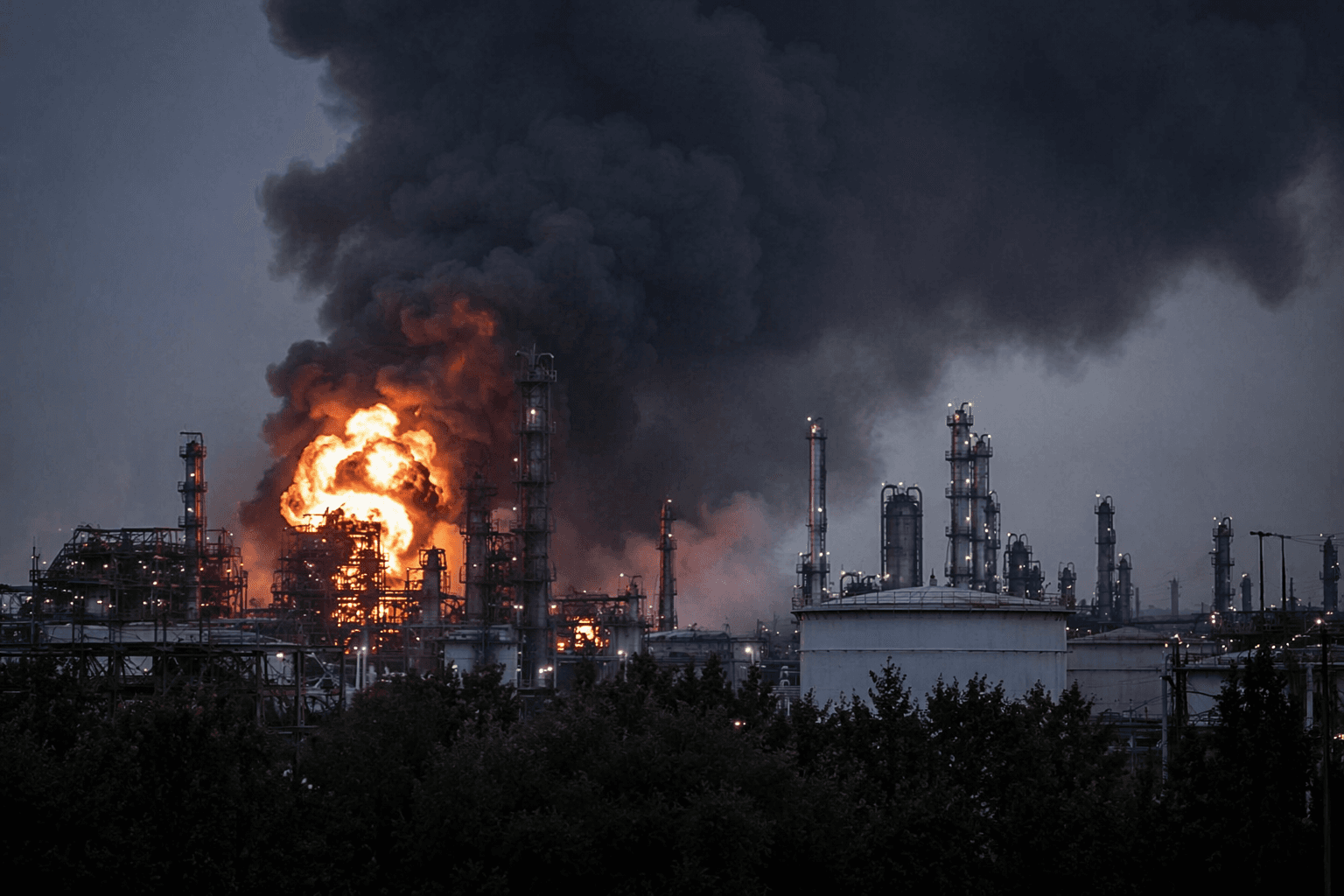
The plant’s scale makes the damage especially consequential. It processed 11.6 million metric tons of oil in 2024, producing 2.9 million tons of petrol and 3.2 million tons of diesel. Losing that output adds strain not only to Moscow’s daily transport needs but also to logistics networks and civilian supply chains tied to the region.
The refinery outage fits a broader Ukrainian campaign against Russian energy infrastructure that has already removed a significant share of the country’s refining capacity. Across Russia’s 11 time zones, that has translated into shortages of oil products, higher fuel prices and long lines at filling stations.
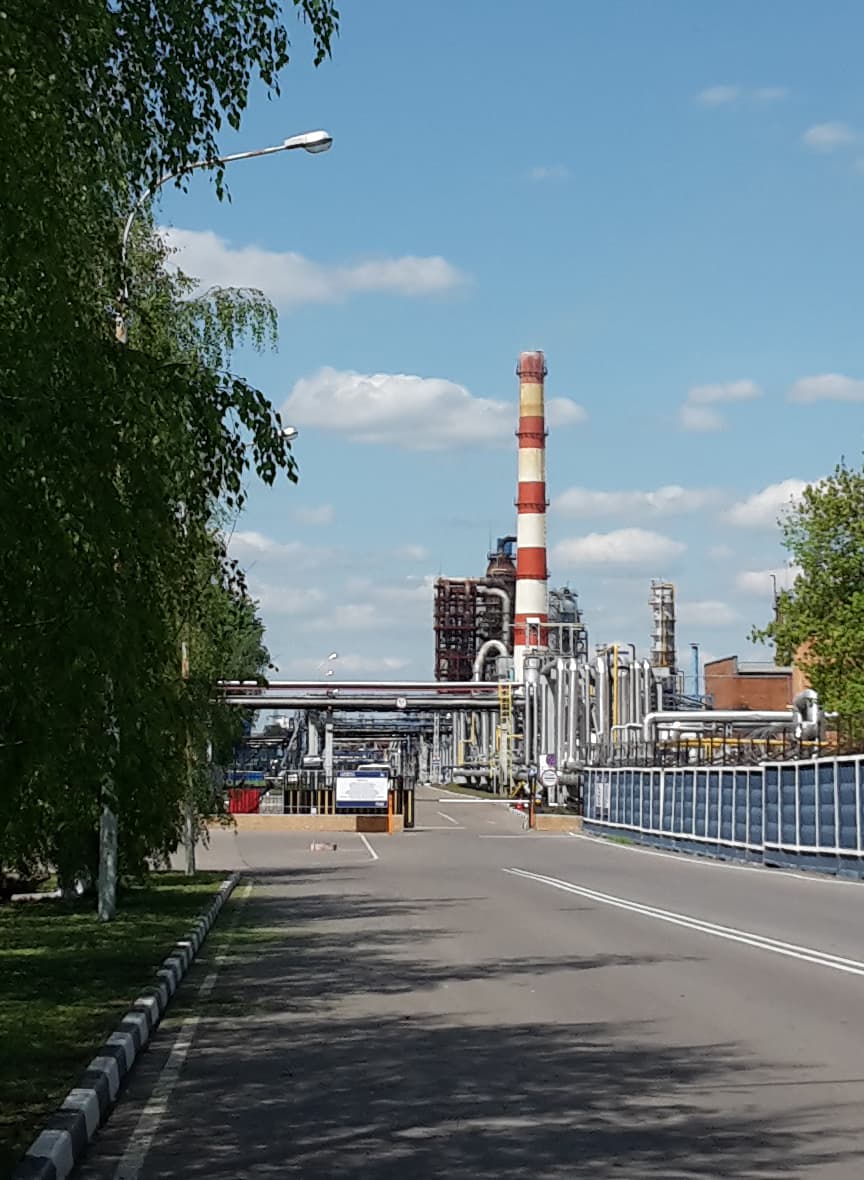
Moscow is now weighing emergency steps to contain the fallout. Deputy Prime Minister Alexander Novak has said Russia is considering a diesel export ban, while fuel-import measures are also under discussion to ease gasoline and diesel shortages, especially in Crimea, where public gasoline sales have already been suspended. Russia’s parliament also approved tax changes on June 24 aimed at addressing shortages caused by attacks on refineries.
Gazprom Neft did not respond to a request for comment. The damage in Kapotnya now stands as one more sign that Ukraine’s long-range drone campaign is forcing Moscow to juggle domestic supply, exports and wartime resilience under sustained pressure.
This article was produced by Prism’s automated news system from verified source data, official records, and press releases, then run through automated quality and moderation checks before publishing. The system is built and supervised by the people who set the standards it runs under. Read our full AI policy.
Know something we missed? Have a correction or additional information?
Submit a Tip