Bahrain cracks down on Shiite citizens, restricts Ashura observances
Bahrain cut Ashura to five days, barred travel to Iran and Iraq, and expanded arrests as cleric detentions, citizenship revocations and raids mounted.
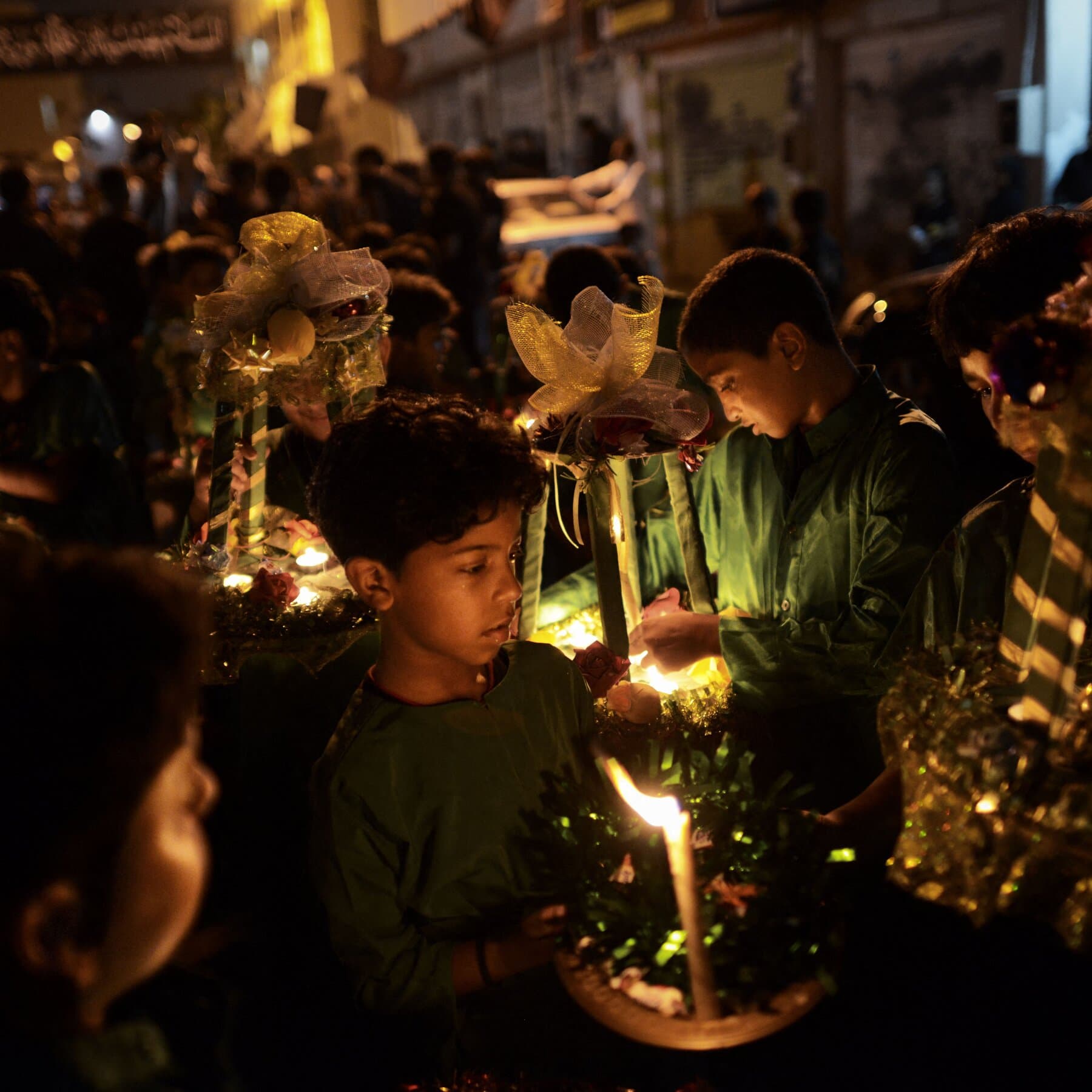
Bahrain ordered this year’s Ashura observances cut from 10 days to five and said processions must end by midnight, except in Manama, where they may continue until 2 a.m. The kingdom also barred citizens from traveling to Iran and Iraq until further notice, a restriction that hit thousands of Bahrainis who normally travel to Karbala during the mourning period.
The limits came as Bahraini authorities intensified a broader crackdown on Shiite citizens after the outbreak of the Israel-Iran-US war. Rights groups said the number of detained Shiite clerics had reached 53, at least 69 people had been stripped of their citizenship and more than 300 people had been detained since the war began. Bahraini authorities launched overnight raids on May 9, detaining 41 people they said were linked to the IRGC, including the clerics Mohammed Sanqour and Ali Al-Sadadi, before later accusing detainees of financing terrorist operations.
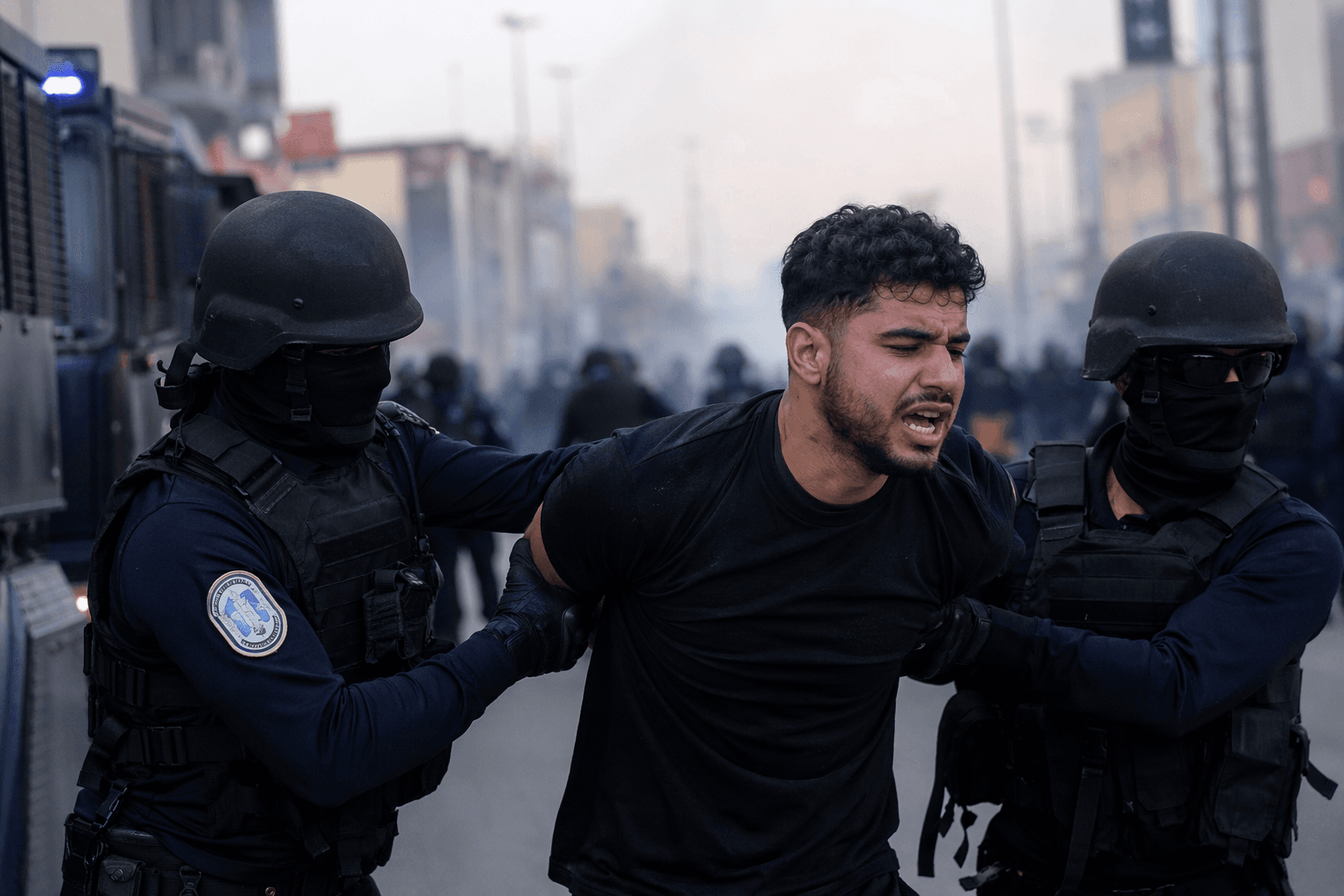
The pressure has not stopped at detention. A 32-year-old man, Sayed Mohamed Almosawi, died in custody after his arrest, and rights monitors said signs of torture were visible on his body. Bahrain’s Ministry of Interior has cast the arrests as a counterterrorism effort, but activists and monitoring groups have described the campaign as unprecedented and sectarian in nature, with Shiite communities bearing the brunt of the response.
The crackdown fits a longer pattern in a country that has long accused Iran of trying to stir unrest among its Shiite population. Bahrain tied that charge to its wider suppression of dissent during the 2011 pro-democracy uprising, when security forces violently crushed protests that challenged the ruling order. Today’s restrictions extend that playbook into the religious calendar itself, limiting processions, curbing travel and narrowing public space during one of the most important periods in Shiite observance.
The stakes reach beyond Bahrain’s borders. The island kingdom hosts the headquarters of the U.S. Navy’s Fifth Fleet, making its domestic security posture a concern for Washington even as civil liberties tighten at home. Bahraini activists say the current campaign is the worst since 2011, and that it has revived old sectarian tensions under the cover of wartime security.
This article was produced by Prism’s automated news system from verified source data, official records, and press releases, then run through automated quality and moderation checks before publishing. The system is built and supervised by the people who set the standards it runs under. Read our full AI policy.
Know something we missed? Have a correction or additional information?
Submit a Tip