European leaders seek unity on defense ahead of NATO summit
Berlin’s E5 leaders pledged a stronger Europe in NATO as Trump tensions and disputes over Ukraine, spending and troop levels hung over the Ankara summit.
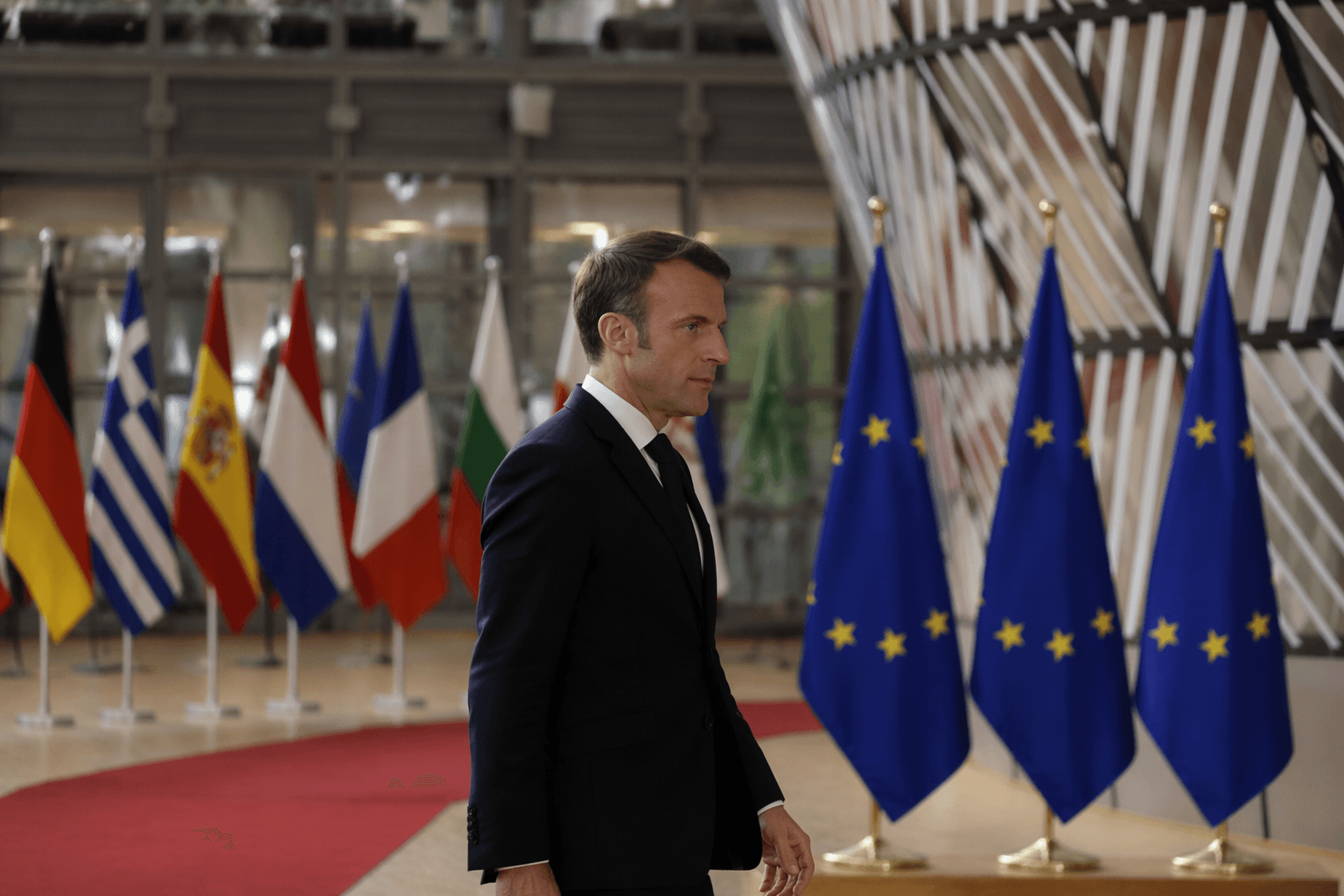
German Chancellor Friedrich Merz hosted the leaders of Germany, France, Italy, Poland and the United Kingdom in Berlin on June 24, as the five powers tried to show a united front ahead of the NATO summit in Ankara on July 7-8. Their joint statement set the tone in plain terms, saying they would work toward “a stronger Europe in a stronger NATO” at a moment when Europe has been wrestling with friction over defense spending, support for Ukraine and how to handle a volatile White House.
The meeting came at a sensitive moment for the alliance. NATO Secretary-General Mark Rutte joined the Berlin talks from Washington, while he was also set to meet President Donald Trump at the White House to cool tensions before the summit. The leaders stressed that the United States still plays a vital role in NATO, a deliberate reassurance as Washington’s stance on troop levels in Europe, the Iran war and burden-sharing has unsettled allies.
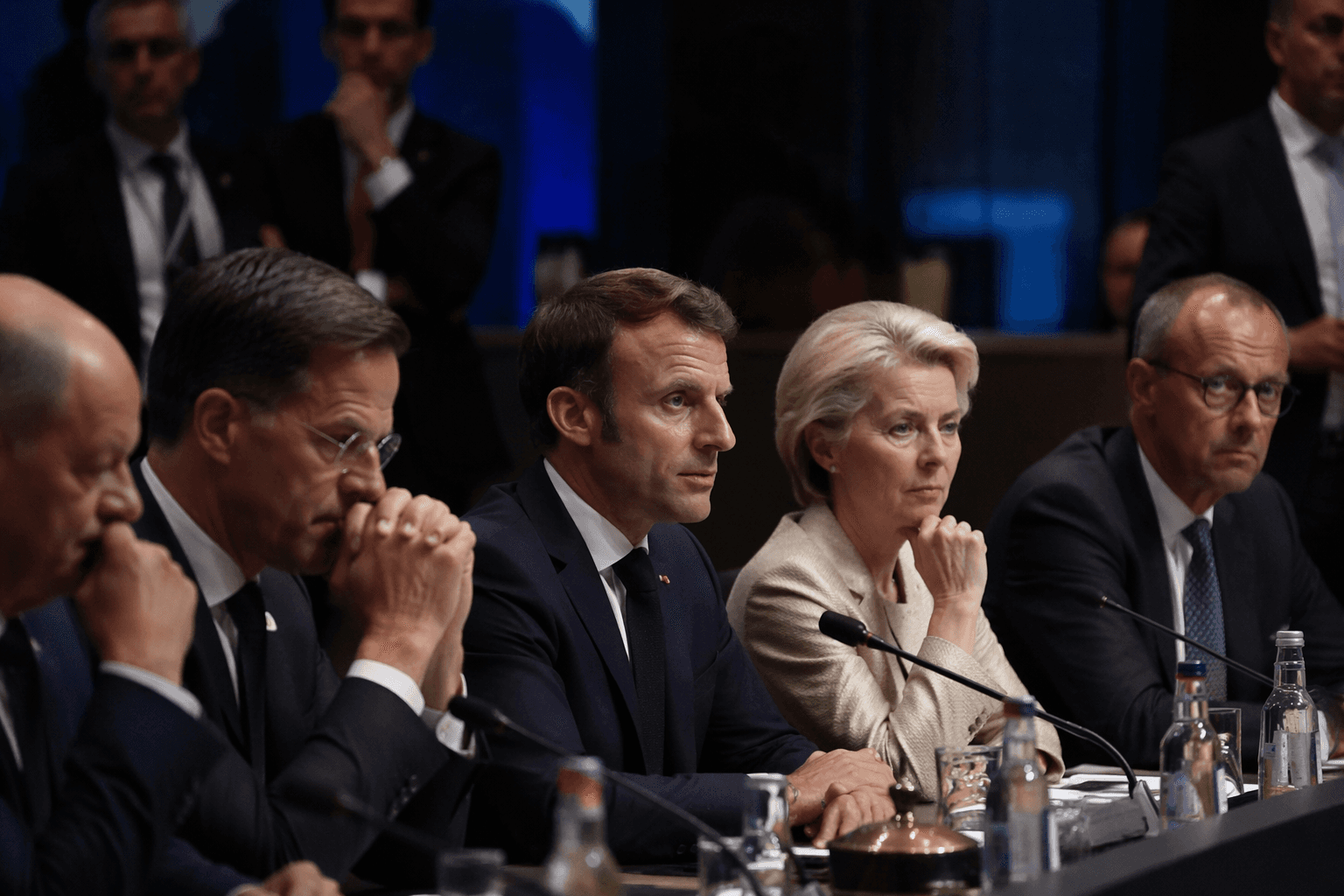
The E5 statement moved beyond symbolism. The five governments said they would deepen defense-industrial cooperation in air defense, unmanned systems, artificial intelligence and long-range firepower, and accelerate joint development and procurement of deep precision strike capabilities. They also backed pledges of military support at the NATO summit and called for intensified cooperation with Ukraine through NATO initiatives including JATEC and NSATU.
That agenda points to the real stakes in Ankara. The summit, hosted by President Recep Tayyip Erdogan, will gather 32 NATO leaders and is expected to focus on air defense, readiness and burden sharing, alongside the political signal sent to Russia and other adversaries. Erdogan said he would “most likely” hold bilateral talks with Trump at the summit, underscoring how much the meeting could hinge on personal diplomacy as much as alliance procedure.
The Berlin gathering was the first summit of the E5 since NATO met in The Hague in June 2025, and it exposed the tension at the heart of the European project: leaders want to project cohesion, but the need to restate it so publicly shows how fragile that cohesion remains. Keir Starmer’s farewell in Berlin, after announcing he would step down under domestic political pressure, added another layer of uncertainty for one of the bloc’s key members just as Europe tries to present a disciplined line before Ankara.
This article was produced by Prism’s automated news system from verified source data, official records, and press releases, then run through automated quality and moderation checks before publishing. The system is built and supervised by the people who set the standards it runs under. Read our full AI policy.
Know something we missed? Have a correction or additional information?
Submit a Tip