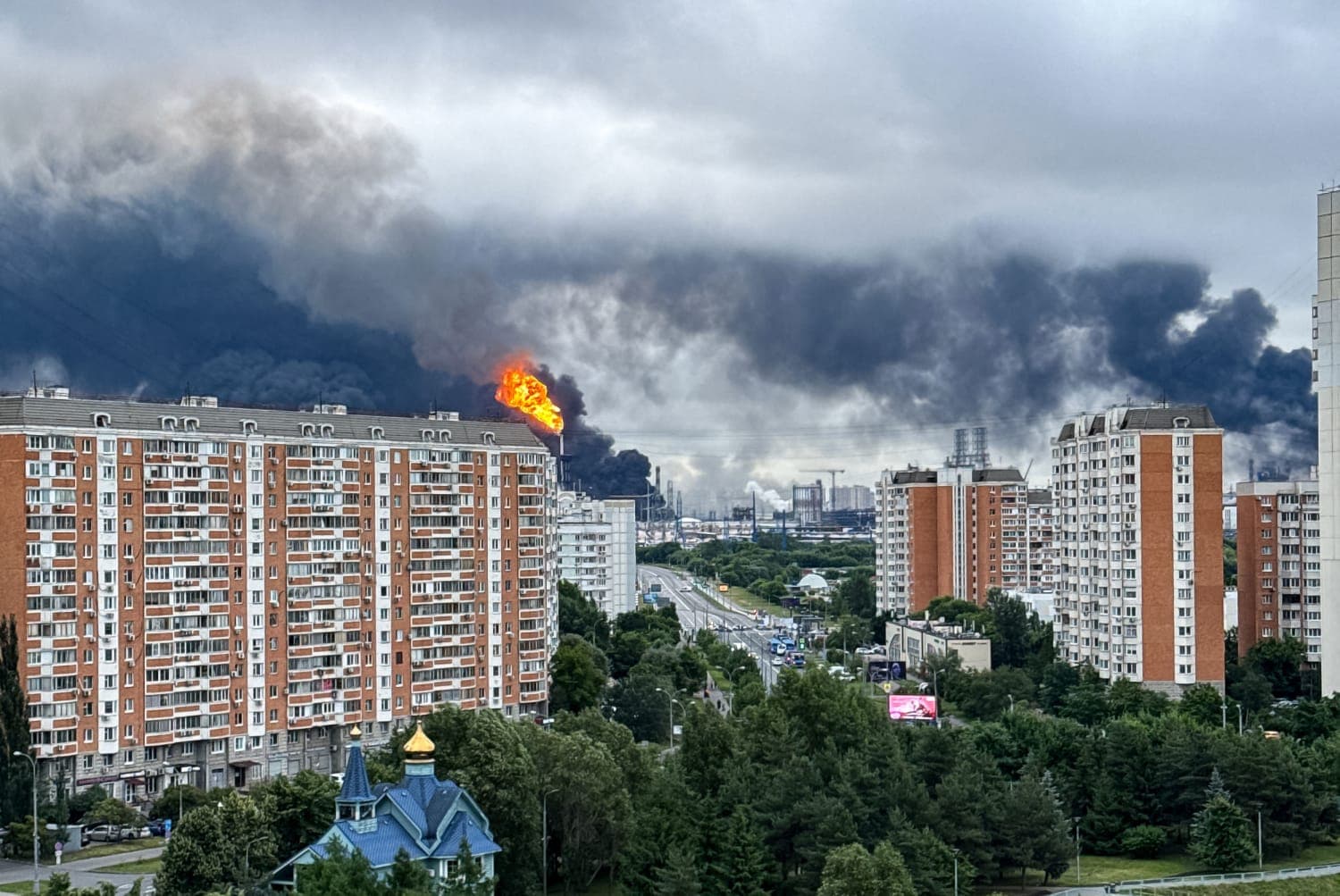
Europe warms twice as fast as the global average
Europe has warmed twice as fast as the world since the 1980s, and the consequences now reach from deadly floods to food, water, and infrastructure stress.
Europe is heating faster than the rest of the planet because geography magnifies the global trend. Copernicus Climate Change Service says the continent has warmed twice as fast as the global average since the 1980s, making it the fastest-warming continent on Earth. That speed is no abstraction: it is now visible in record heat, stronger floods, shrinking glaciers, and rising pressure on the systems that keep European economies running.
Why Europe warms so quickly
Part of the answer lies in the continent’s shape and location. Copernicus says Europe’s rapid warming is partly linked to the share of European land in the Arctic, the fastest-warming region on Earth, and to more frequent summer heatwaves. Those forces amplify one another: as northern land warms quickly, the broader continental climate shifts toward hotter summers and longer stretches of extreme heat.
The pattern is not uniform, which matters for how the risks build. Local conditions on land and at sea determine where warming shows up most intensely, and in Europe that has meant a strong push toward hotter interiors, harsher drought in the south, and more volatile rainfall elsewhere. The result is a continent that is warming fast, but not evenly.
Records are turning into a new baseline
The numbers from 2024 underline how far the trend has advanced. Copernicus says 2024 was Europe’s warmest year on record, and globally it was the warmest year ever measured. It was also the first year in which the global average temperature exceeded 1.5°C above pre-industrial levels, a threshold that has long stood at the center of climate policy debates.
Europe’s weather last year also showed how heat and water stress can coexist in different parts of the same continent. The World Meteorological Organization and Copernicus described a striking east-west contrast: extremely dry and often record-warm conditions in the east, and warm but wet conditions in the west. That split matters because it means Europe is not facing one climate risk, but several at once, with drought and flood pressure operating in parallel.
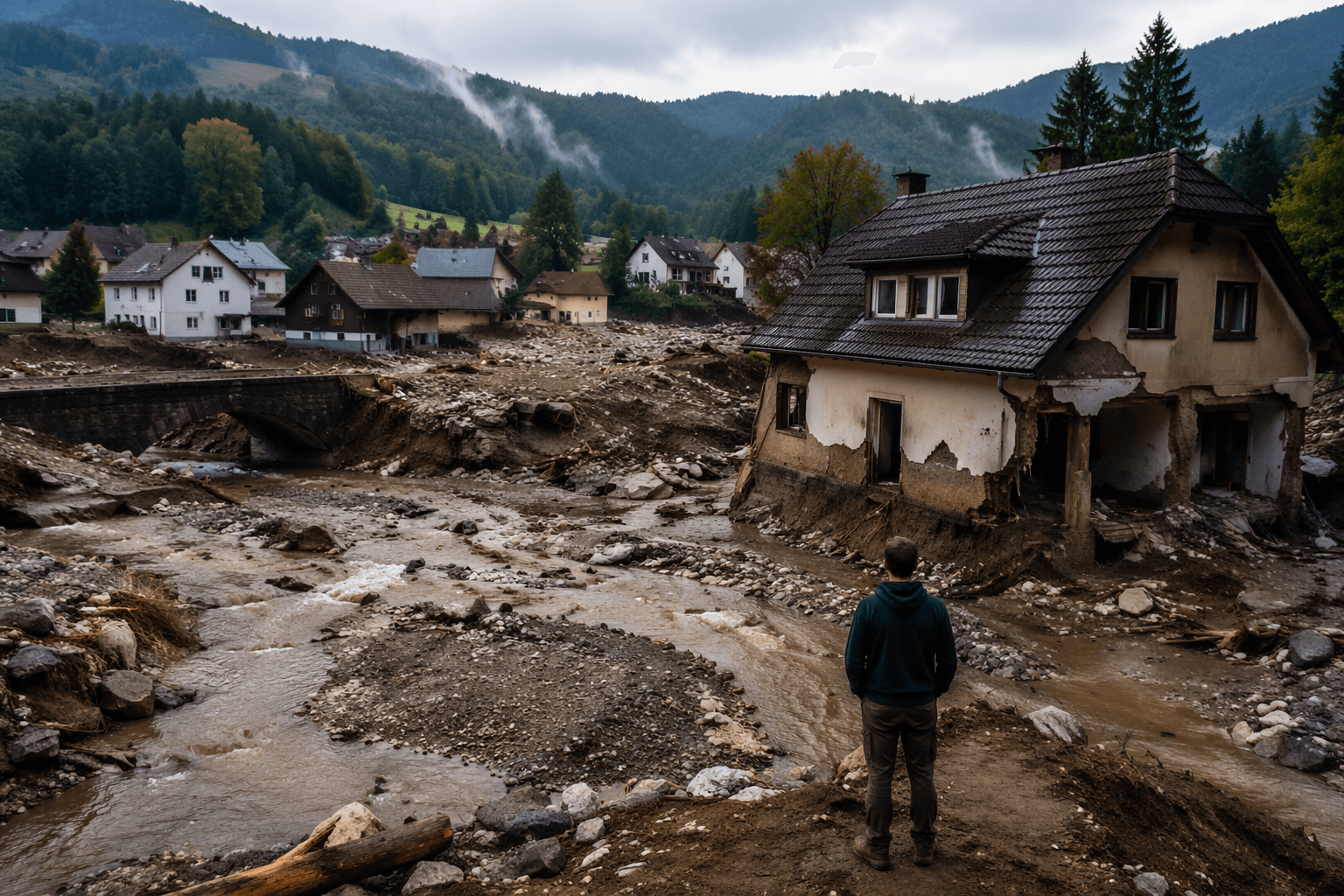
Severe storms and widespread flooding made that clear. WMO and Copernicus said those events in 2024 claimed at least 335 lives and affected an estimated 413,000 people. Those are not distant climate statistics. They are a measure of how quickly extreme weather can move from seasonal nuisance to direct human loss.
What the warming is doing on the ground
Heat is the most visible effect, but it is only the first. Europe is already seeing more frequent and severe heatwaves, widespread droughts in southern Europe, melting glaciers in all European regions, and changes in precipitation patterns, including more extreme rainfall. Each of those trends carries its own costs, but together they create a compounding burden for cities, farms, power systems, and transport networks.
The health risks are immediate. Extreme heat drives up the number of heat-related deaths, especially in cities where pavement, buildings, and limited nighttime cooling trap warmth for longer periods. Drought adds a second layer of risk by stressing water supplies and agriculture, while also making dry landscapes more vulnerable to fire. When rainfall swings harder from too little to too much, drainage systems, rail lines, roads, and bridges face more strain in shorter periods of time.
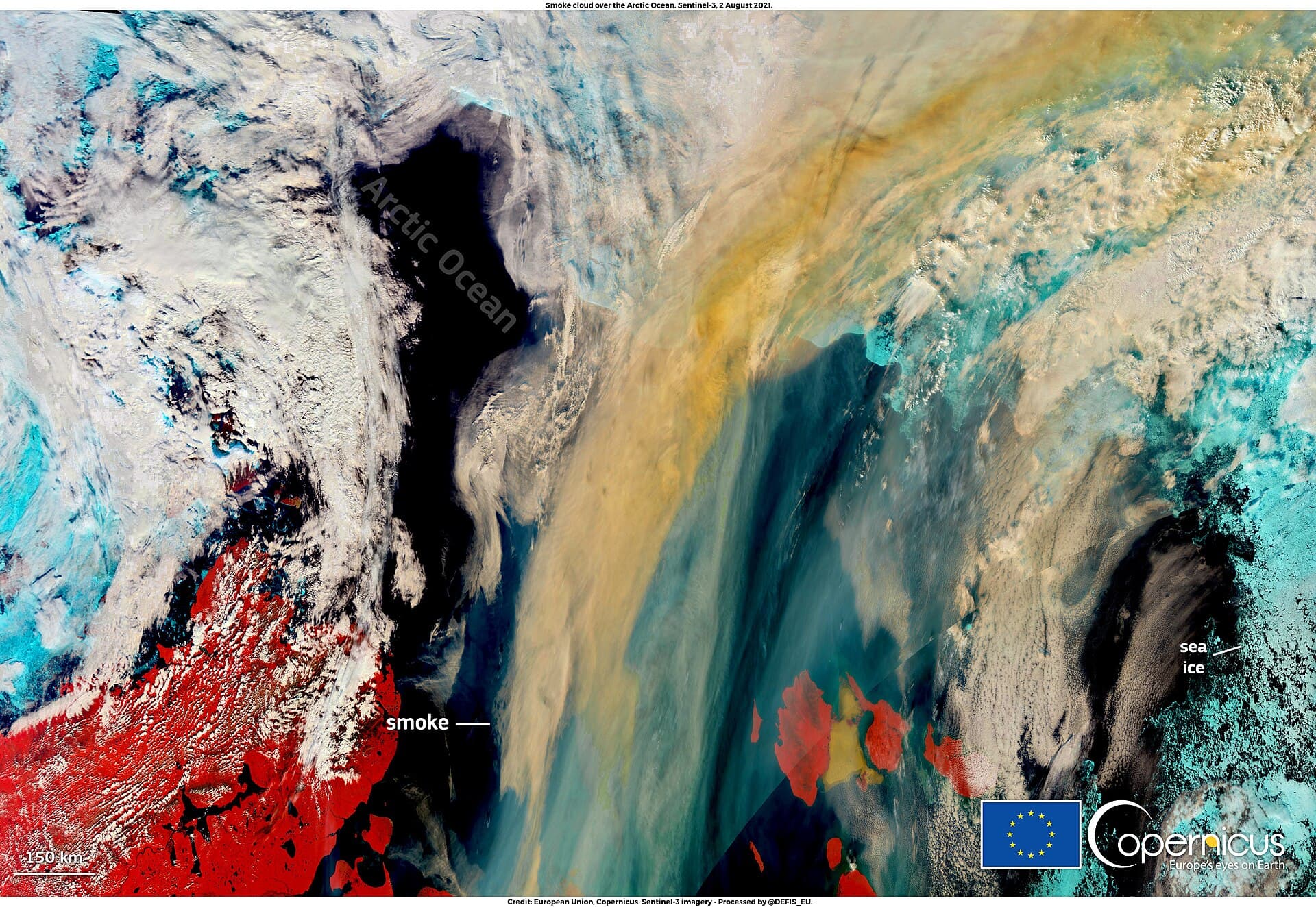
The food system is under pressure as well. The European Environment Agency warns that climate risks are threatening energy and food security, ecosystems, infrastructure, water resources, financial stability, and people’s health. In practice, that means crop stress in dry regions, higher irrigation demand, weaker yields in heat-stressed seasons, and more volatility in supply chains that depend on predictable weather. The same heat that strains labor and power demand also erodes the stability of the agricultural calendar.
Glaciers are another warning sign. Copernicus says melting is taking place in all European regions, showing that the warming is not confined to the Mediterranean south. Loss of ice changes water storage, river flow timing, and long-term freshwater availability, with consequences that can reach well beyond the mountains themselves.
The policy gap is now part of the story
Europe has already set ambitious goals on paper. The European Climate Law commits the European Union to climate neutrality by 2050 and a net 55% emissions reduction by 2030. Those targets reflect an understanding that the current warming trajectory is incompatible with stable economies and resilient public services.
But the European Environment Agency says Europe is not yet prepared for rapidly growing climate risks. Its March 2024 assessment warned that many risks had already reached critical levels and could become catastrophic without urgent and decisive action. That assessment matters because it reframes adaptation as more than an environmental add-on. It is now a core issue for public finance, infrastructure planning, health systems, and energy security.
The warning also points to timing. Climate policy has often focused on long-term emissions cuts, but the recent record heat and flooding show that Europe is already living through the effects of past emissions. Reducing pollution will shape the future, but it will not erase the risks already locked in for the next several years.
Why this matters beyond Europe
Europe’s warming is a regional story with global implications. It is a large, wealthy economic bloc, so the costs ripple outward through trade, food markets, insurance, migration pressures, and demand for emergency aid and reconstruction. When floods damage farms, rail corridors, or industrial sites in Europe, the effects can show up in supply chains far outside the continent.
It is also a warning about how climate change plays out unevenly. The same global rise in temperature does not hit every region at the same speed, and Europe’s experience shows how geography can sharpen the impact. A continent that has already warmed twice as fast as the world average is a preview of what can happen when warming meets vulnerable infrastructure, dense populations, and economies that depend on climate stability.
The scale of the threat is no longer theoretical. Europe is already the fastest-warming continent, 2024 was its hottest year on record, and the damage is moving from temperature records into human and economic loss. The next phase will be decided not by whether the risks exist, but by how quickly governments can match their climate targets with protection on the ground.
This article was produced by Prism’s automated news system from verified source data, official records, and press releases, then run through automated quality and moderation checks before publishing. The system is built and supervised by the people who set the standards it runs under. Read our full AI policy.
Know something we missed? Have a correction or additional information?
Submit a Tip