EU plans crisis drills as Trump-era NATO doubts deepen
EU leaders in Cyprus ordered a test of Article 42.7, rehearsing how Europe would respond if Washington’s security guarantees proved thinner than before.

European leaders used a summit in Cyprus to begin stress-testing a future they no longer take for granted: what happens if an EU member is attacked and Washington does not move first.
At the informal European Council gathering in Ayia Napa and Nicosia on April 23-24, 2026, leaders asked the European Commission to prepare a blueprint for how Article 42.7 of the EU treaties would work in practice. Cypriot President Nikos Christodoulides said the commission would draw up the plan, while adding that there were still “a number of questions” that need answers.
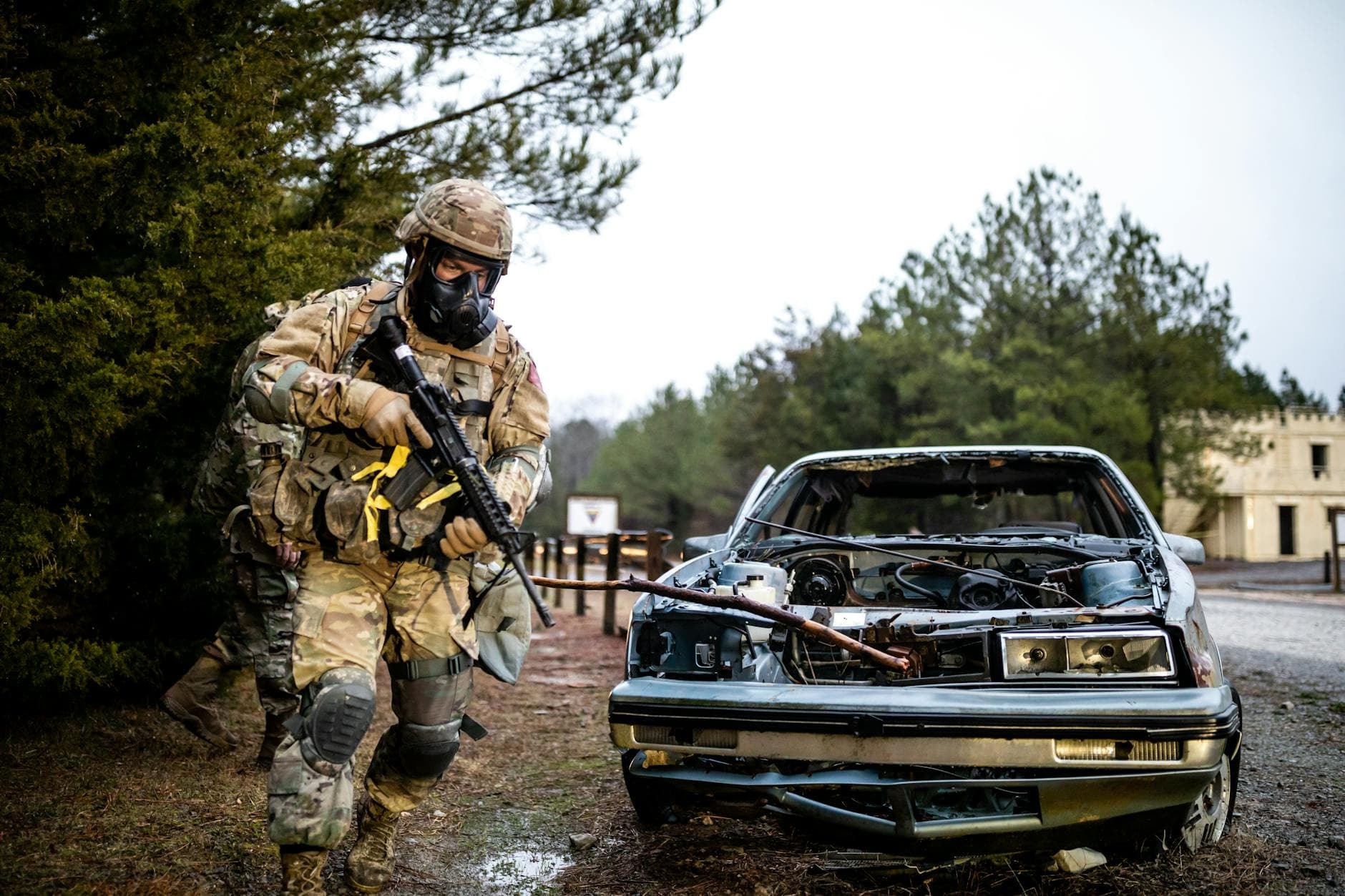
The exercise is not a live military drill. EU officials want to test political response, coordination and decision-making, including who would activate support, how quickly the bloc could respond, and what form that help would take. That makes the plan less about tanks and aircraft than about whether Europe can still act together under pressure.
Article 42.7 requires other member states to provide aid and assistance by all means in their power if a member state is the victim of armed aggression. It has been invoked only once, when France turned to its partners after the November 13, 2015 attacks in Paris. Even then, the response did not resemble NATO’s Article 5. Instead, member states contributed missions and other support.
The issue has become more urgent in Cyprus, which is not a NATO member and sits at a sensitive overlap between the EU’s mutual-assistance clause and NATO’s collective-defense pledge. Last month, a Shahed drone struck a British air base on the island’s southern coast, according to Cypriot officials. The launch point was said to be Lebanon, underscoring how quickly instability in the Eastern Mediterranean can spill onto EU territory. The March 19, 2026 European Council conclusions welcomed support for Cyprus, including the deployment of military assets in the Eastern Mediterranean.
Christodoulides has pushed fellow leaders to create a clearer playbook, and Brussels is now treating that demand as more than a diplomatic formality. Officials plan tabletop exercises in mid-May to test how Article 42.7 could be used if one member state were attacked or invaded, and EU defense ministers are expected to carry out similar exercises later.
The politics are delicate. Some eastern EU members worry that any deep discussion of Article 42.7 could be misread in Washington as a step away from NATO. Others say the clause is exactly the backstop Europe needs if Donald Trump’s return intensifies doubts about U.S. commitment. For the bloc, the real test is no longer whether solidarity exists on paper, but whether it can be assembled fast enough when the next crisis hits.
This article was produced by Prism’s automated news system from verified source data, official records, and press releases, then run through automated quality and moderation checks before publishing. The system is built and supervised by the people who set the standards it runs under. Read our full AI policy.
Did this article answer your question?


