EU proposes more free carbon permits to ease industry costs
Brussels is easing carbon costs for heavy industry, a move that could save companies about 4 billion euros as Europe weighs climate goals against factory competitiveness.
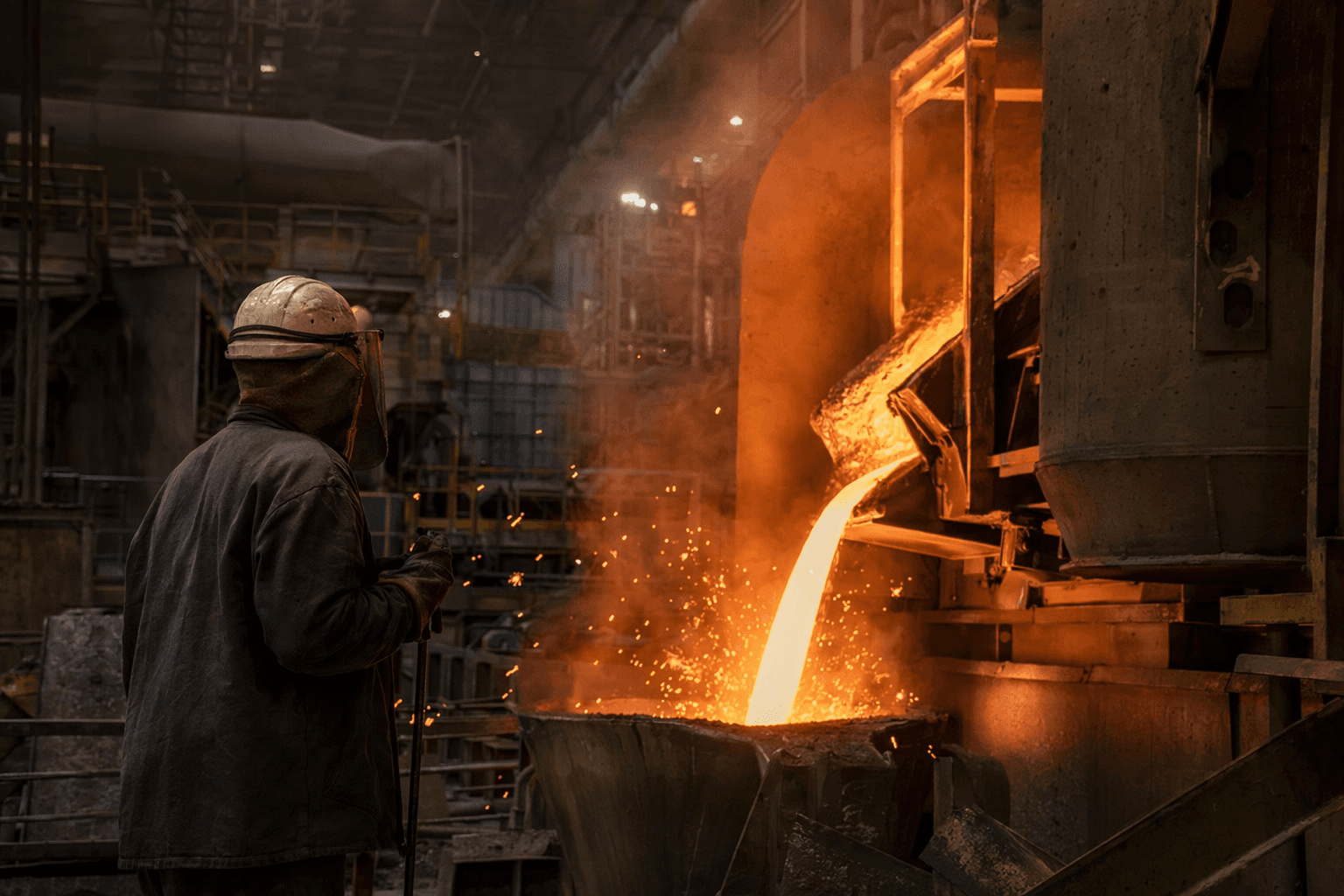
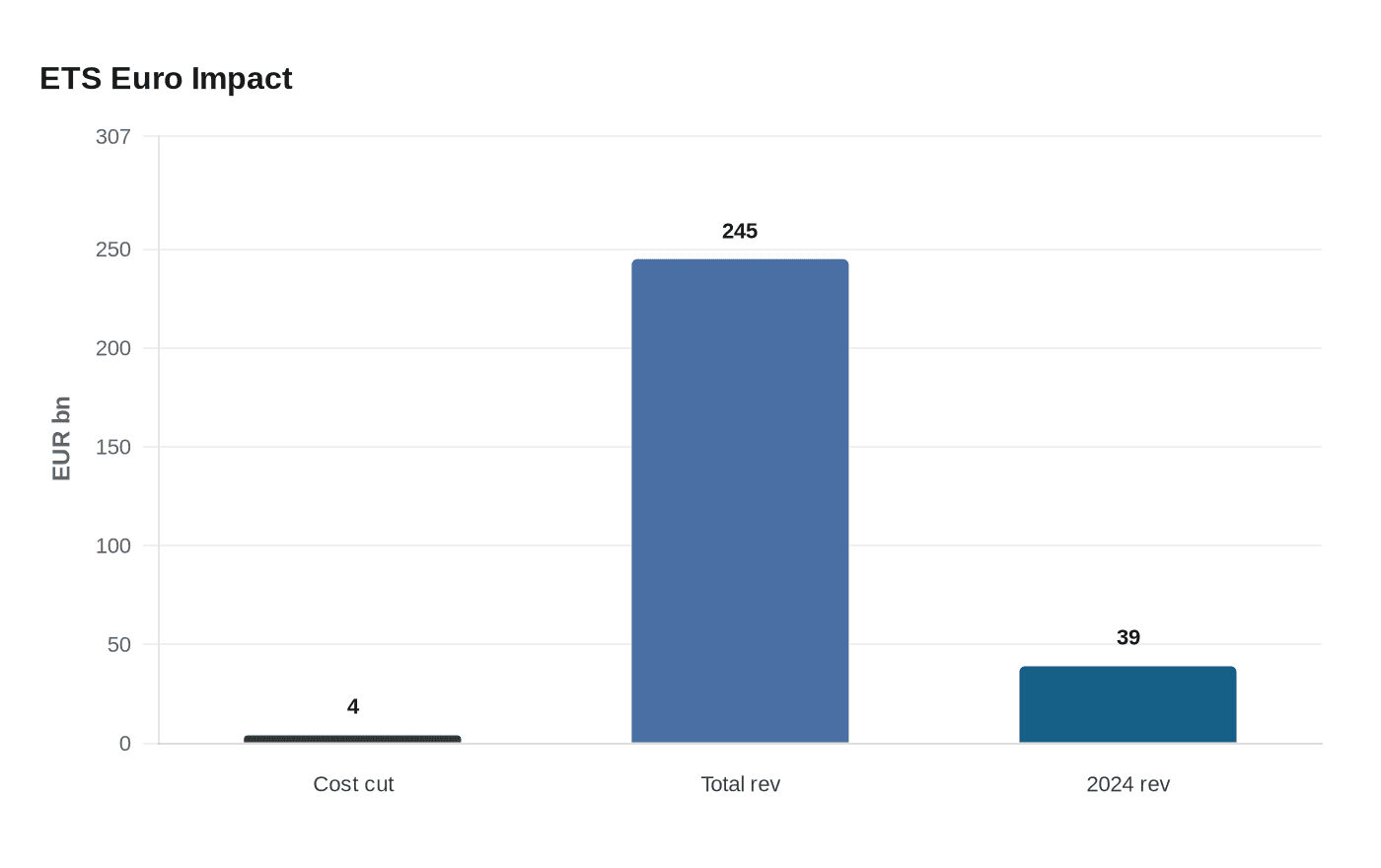
Brussels is moving to soften one of Europe’s toughest climate tools just as manufacturers warn that high energy prices and carbon costs are squeezing production. The European Commission proposed giving industry more free emissions permits over the next few years, a change that could cut compliance costs by about 4 billion euros between 2026 and 2030 and keep free allocation covering roughly 75% of industrial emissions on average.
The shift goes to the heart of Europe’s climate-competitiveness dilemma. The EU Emissions Trading System, launched in 2005 and now in its fourth phase from 2021 to 2030, is designed to make polluters pay for carbon. But heavy industry, especially steel, chemicals and other energy-intensive sectors, has argued that the system can become too expensive when Europe is facing slower growth, high power prices and competition from regions with looser climate rules. The new benchmark changes are meant to ease that pressure without abandoning the bloc’s long-term emissions targets.
Free allocation remains the key pressure valve in the system. The Commission says it is based on benchmarks that reflect the average emissions intensity of the 10% most efficient installations in each sector, with 54 benchmarks in total, including 52 product benchmarks and two fallback approaches for heat and fuel. Manufacturing industry has primarily received free allocation since 2013, and the Commission says the benchmarks are periodically updated to reflect technological progress. The latest proposal would alter how indirect emissions from electricity use are treated in some benchmarks, a change that matters particularly for products whose power demand raises their apparent carbon intensity.
The timing also shows how tightly climate policy is being tied to industrial policy. Ursula von der Leyen said on April 13 that the Commission would shortly consult member states on updated ETS benchmarks and would present a full ETS review in July. The consultation on draft benchmark values opened on May 11 and is due to close on June 8, with the values expected to be adopted in the second half of June and free allowances available from the second half of July. The Commission plans to adopt the benchmarks by the end of June and unveil a broader review of the trading system in July.
The stakes are high because the EU ETS has already done what Brussels once promised: by the end of 2024, emissions from electricity and heat generation and industrial manufacturing were down 50% from 2005 levels, while the system had raised more than 245 billion euros, including nearly 39 billion euros in 2024 alone. Yet the EU is also phasing out free allocation from 2026 in sectors covered by the Carbon Border Adjustment Mechanism, including cement, aluminum, fertilizers, hydrogen, iron and steel. That makes the benchmark update less a technical tweak than a test of whether Europe can stay green without driving production elsewhere.
This article was produced by Prism’s automated news system from verified source data, official records, and press releases, then run through automated quality and moderation checks before publishing. The system is built and supervised by the people who set the standards it runs under. Read our full AI policy.
Did this article answer your question?