Helsing nears $1.2 billion funding round at $18 billion valuation
Helsing is closing a $1.2 billion round at an $18 billion valuation as investors bet that battlefield AI and drones will define Europe’s defense future.

Helsing is close to raising $1.2 billion at about an $18 billion valuation, a deal that would cement the German startup as one of Europe’s most aggressively funded military technology companies. The round is expected to be led by Dragoneer Investment Group and co-led by Lightspeed Venture Partners, adding fresh capital to a company that only announced a €600 million Series D in June 2025.
That earlier round, led by Prima Materia, Daniel Ek’s investment firm, valued Helsing at €12 billion and was presented as a step toward European technological sovereignty. Ek said Europe needs advanced technologies that support strategic autonomy and security readiness, a message that has gained force as governments and investors move deeper into military AI, drones and other sovereignty-focused suppliers.
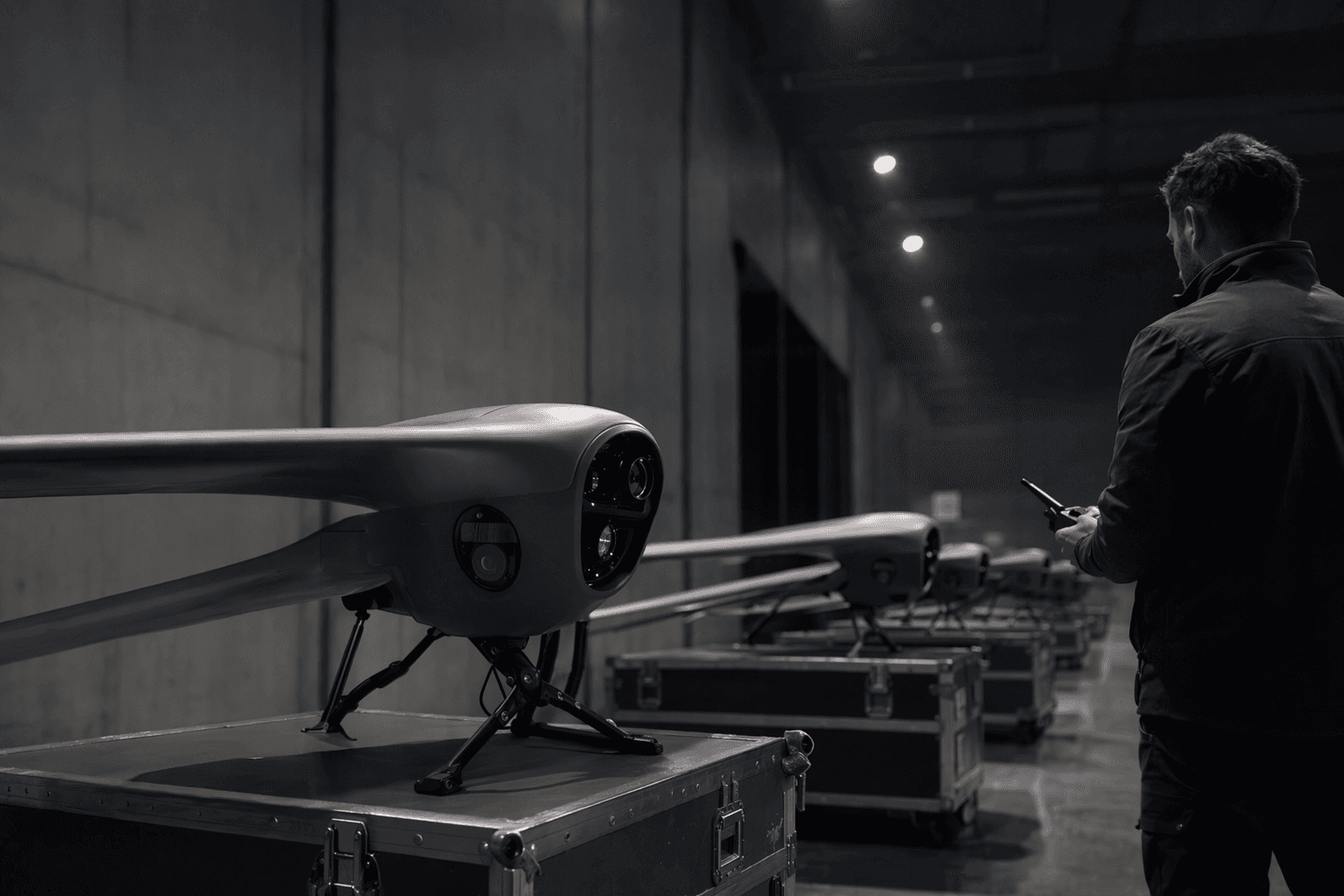
Founded in Munich in 2021 by Torsten Reil, Gundbert Scherf and Niklas Köhler, Helsing has tried to define itself not just as a weapons maker but as a company building defense technology with ethics at the core. Its pitch spans software and hardware, including AI-enabled strike drones and an underwater surveillance system, reflecting a broader shift from code to battlefield-ready systems.
The clearest sign of that shift came in February 2025, when Helsing said it would produce 6,000 HX-2 strike drones for Ukraine after a previous order of 4,000 HF-1 strike drones delivered in partnership with Ukrainian industry. Helsing describes the HX-2 as an electrically propelled X-wing precision munition with a range of up to 100 km, and says onboard AI helps it resist electronic warfare. The company said the new order made it one of the largest strike-drone manufacturers globally.

The fundraising push comes as Europe’s defense-tech market is being reshaped by wartime demand and a growing sense that the continent cannot rely entirely on legacy contractors. For venture capital, that has opened the door to a different kind of scale: not consumer apps or enterprise software, but companies that can turn battlefield urgency into repeat procurement, industrial capacity and long-term state demand. Helsing’s rapid rise shows how far that thesis has already traveled.
This article was produced by Prism’s automated news system from verified source data, official records, and press releases, then run through automated quality and moderation checks before publishing. The system is built and supervised by the people who set the standards it runs under. Read our full AI policy.
Did this article answer your question?