Iran, Trump clash over ceasefire as oil prices surge higher
Trump called Iran’s reply “unacceptable,” and Brent crude jumped above $102 as the Strait of Hormuz stayed badly disrupted.
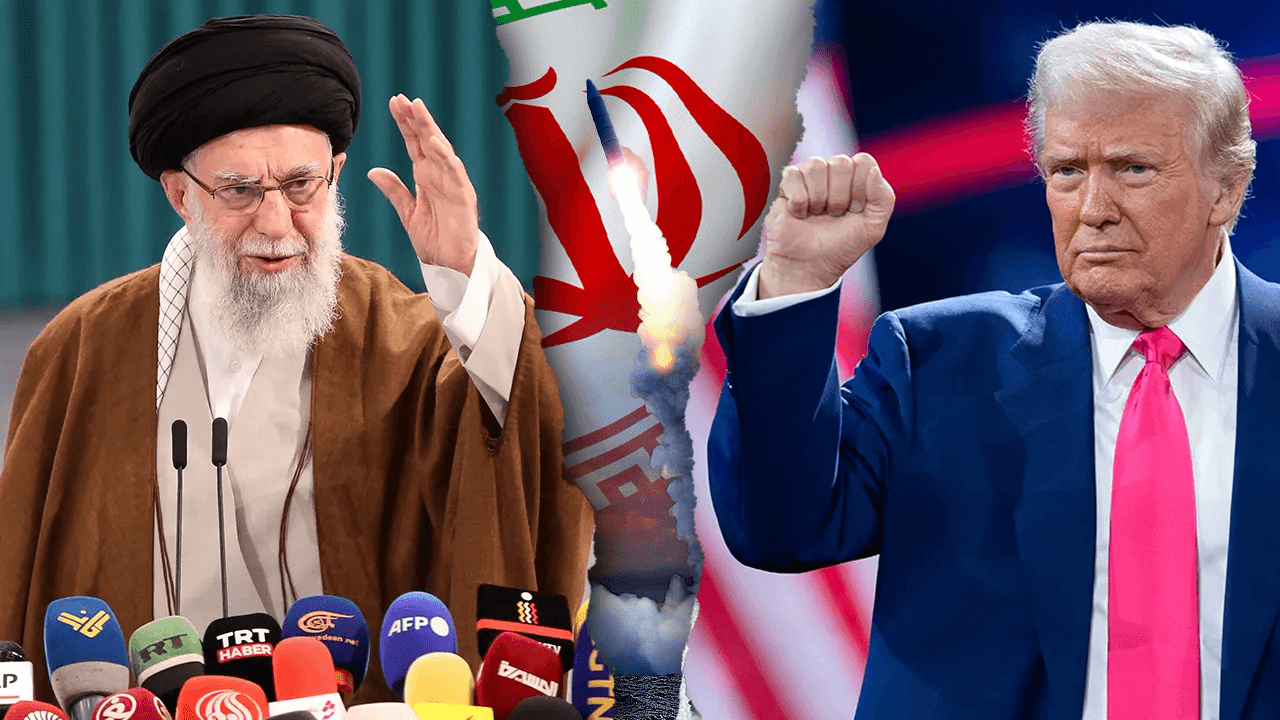
Oil markets jolted higher as Donald Trump rejected Iran’s latest ceasefire response and said the fragile truce was on “life support,” a signal that the war is still threatening a wider energy shock. Brent crude climbed above $102 a barrel and traded around $104.82, while U.S. stocks were little changed, a split screen that showed traders still bracing for tighter supplies and higher fuel costs.
The latest break in talks came after the United States and Iran exchanged proposals through intermediaries, including Pakistan. Iran reportedly sent a 14-point counterproposal, while Washington’s plan called first for a temporary ceasefire and then negotiations over unresolved issues, including Iran’s nuclear program. Iran has pushed for a fair, comprehensive settlement instead of a short extension, and Trump dismissed Tehran’s response as “garbage” and “totally unacceptable.”
The stakes go well beyond diplomacy. Shipping through the Strait of Hormuz, one of the world’s most important energy chokepoints, has been badly disrupted, with reporting describing the waterway as largely shut or paralyzed as attacks continued despite the ceasefire. That keeps pressure on crude prices and raises the risk that higher transportation and energy costs will feed into gasoline, freight rates and consumer prices if the confrontation drags on.
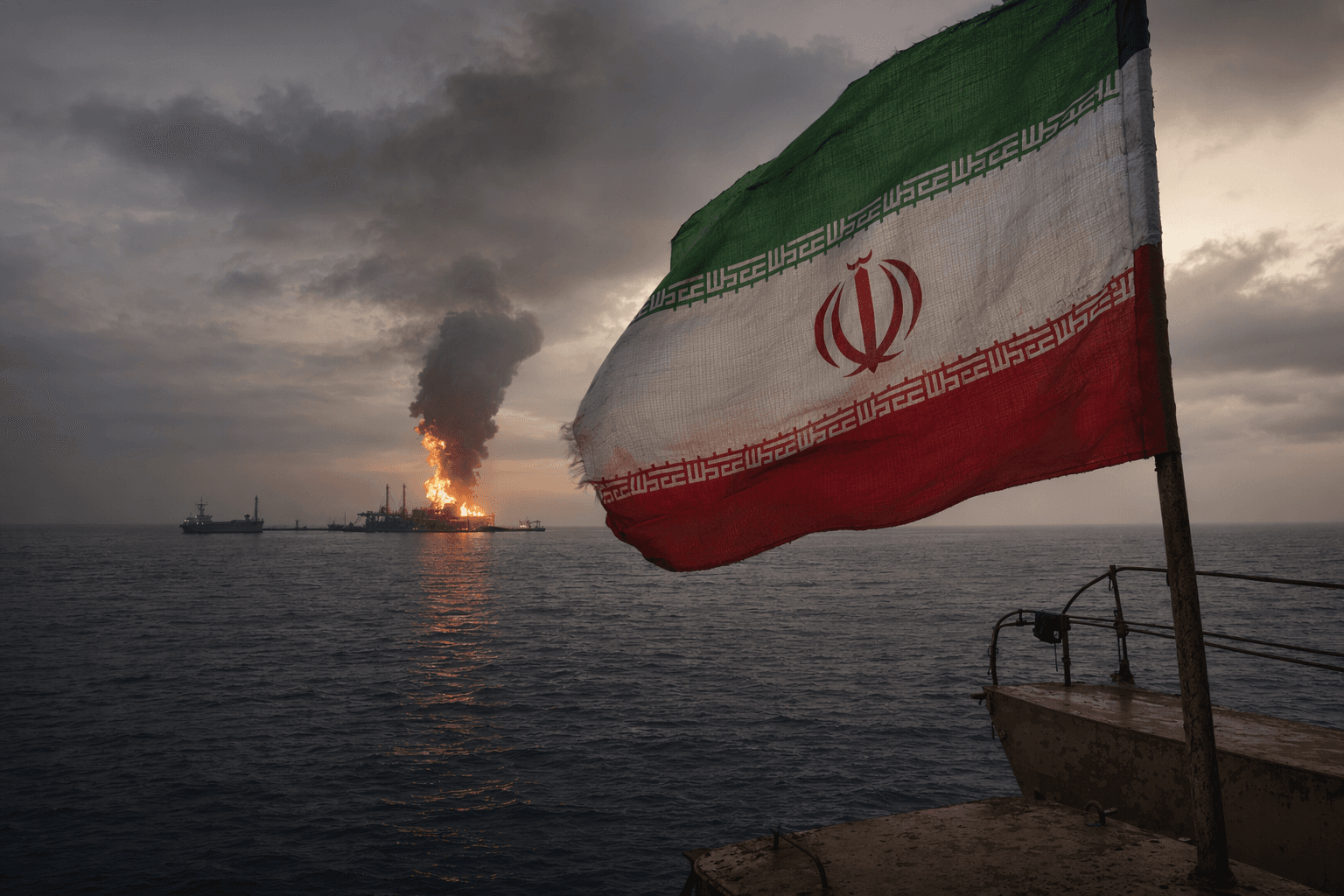
Markets have treated the ceasefire as fragile for weeks, but Monday’s move suggested that investors see little sign of a durable pause. Oil rose roughly 3% to more than 4% in some market reports after Trump’s rejection, underscoring how quickly the war can reverberate through global pricing. A month-old truce that cannot protect shipping lanes is not being priced like a real peace.
China adds another layer to the standoff. As the largest buyer of sanctioned Iranian crude, Beijing has leverage over the flow of oil that could matter if Washington and Tehran remain locked in place. For now, the message from traders is blunt: until the fighting eases and the Strait of Hormuz reopens to normal traffic, the conflict remains as much an inflation story as a battlefield one.
Know something we missed? Have a correction or additional information?
Submit a Tip