EU shortlists tungsten, rare earths and gallium for joint stockpile
Brussels moved to lock down tungsten, rare earths and gallium, three inputs that feed missiles, chips and EVs. The reserve was meant to cushion Europe if China tightens the tap.
The European Union has moved toward its first joint stockpile of critical minerals, shortlisting tungsten, rare earths and gallium as the materials most likely to go into the reserve. The logic is straightforward: these inputs sit inside the hardware of modern power, from weapons systems and semiconductors to electric vehicles, solar panels and other clean-tech equipment.
The plan was designed to blunt Europe’s exposure to a supply chain still dominated by China. EU institutions say China controls about 90% of global rare-earth refining, and the European Central Bank says China produces 95% of the world’s rare earths. That leaves carmakers, defense contractors, chipmakers and clean-tech manufacturers vulnerable if export controls, shipping disruptions or political pressure interrupt deliveries.
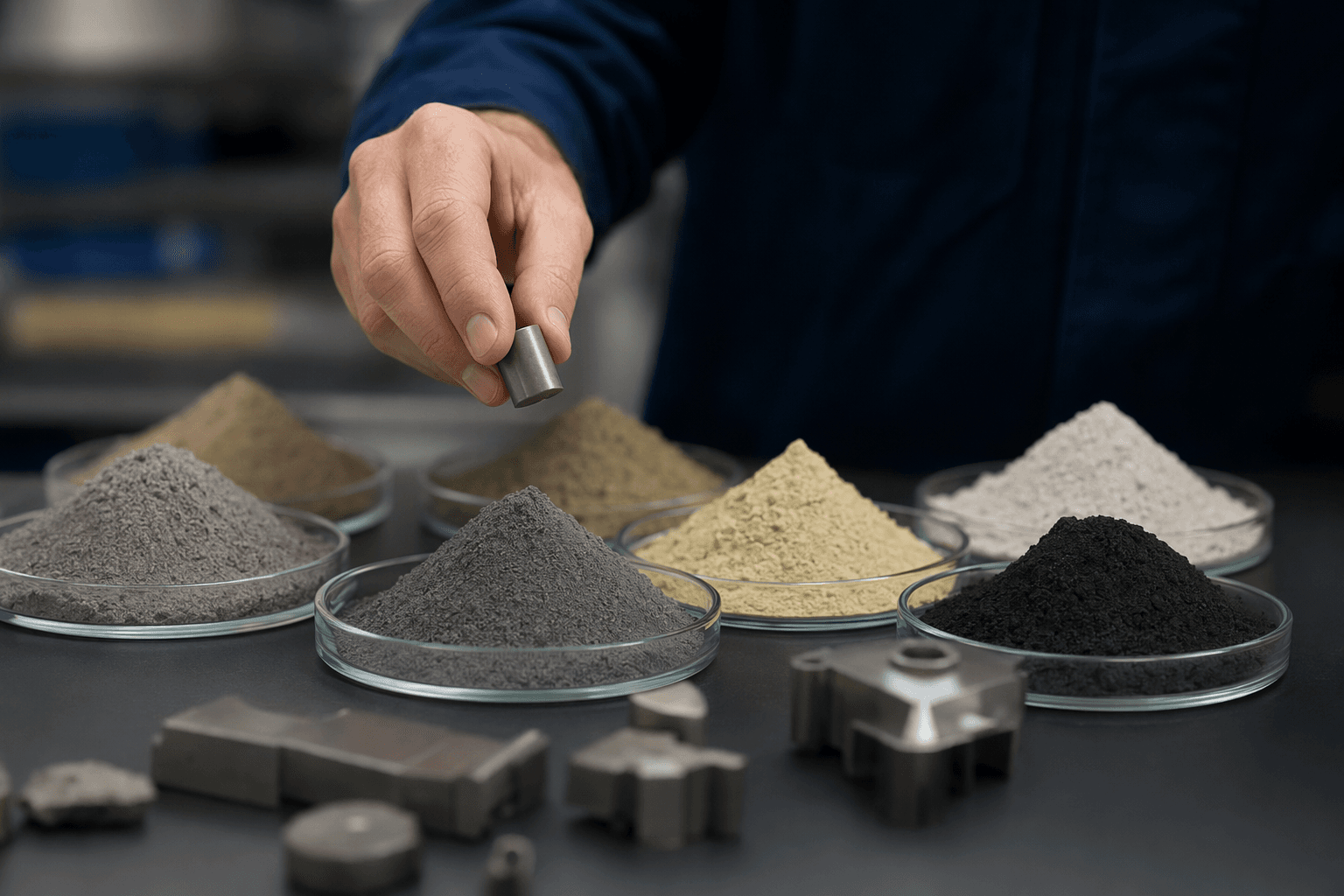
The chosen materials show how strategic the reserve could become. The European Commission says tungsten is used in the space and defence sectors, while gallium is used in solar panels. Rare earths are essential for magnets, electronics and clean-energy systems. In practice, a stockpile would not solve Europe’s dependency, but it could buy time if processors, refiners or shippers suddenly cut off supply.
The stockpile push builds on the Critical Raw Materials Act, which entered into force on 23 May 2024 and set up an EU framework for secure and sustainable supply chains. The act identified 34 critical raw materials, including 17 strategic raw materials judged especially important for the green and digital transitions, defense and aerospace. Brussels has already identified 47 strategic raw-material projects, stretching across mining, processing and recycling, showing the reserve is part of a larger industrial strategy rather than a crisis-only response.
The European Commission adopted the RESourceEU Action Plan on 3 December 2025 to accelerate supply security for critical raw materials such as rare earth elements, cobalt and lithium. The European Parliament says the Commission’s 2026 work programme includes a proposal for a Critical Raw Materials Centre in the second quarter of 2026, a body intended to monitor supplies, coordinate purchases and help manage stockpiles. Reuters also reported in February 2026 that Italy, France and Germany were set to take leading roles in stockpiling efforts, suggesting that the reserve will be shaped by a core group of member states.
Storage is becoming as important as sourcing. The Netherlands had already offered the Port of Rotterdam as a central hub for stockpiling critical raw materials, and Reuters said the EU was in talks with major ports, including Rotterdam, about warehousing the reserve. That detail underscores the scale of the challenge: Europe is not just trying to buy minerals, but to build the logistics system needed to hold them. For now, the stockpile looks less like a cure for dependency than a buffer against the next shock.
Know something we missed? Have a correction or additional information?
Submit a Tip