Europe Fears Trump Push Could Yield Compromise Favoring Russia
European capitals are warning that President Trump’s drive for a rapid end to the war in Ukraine risks producing a settlement that fails to punish or deter Russia, with broad implications for the continent’s security and economic ties. With limited leverage and no direct presence at U.S. talks, European governments face a narrowing set of tools to shape any accord that may reintegrate Russia economically without securing Ukraine’s territorial integrity.
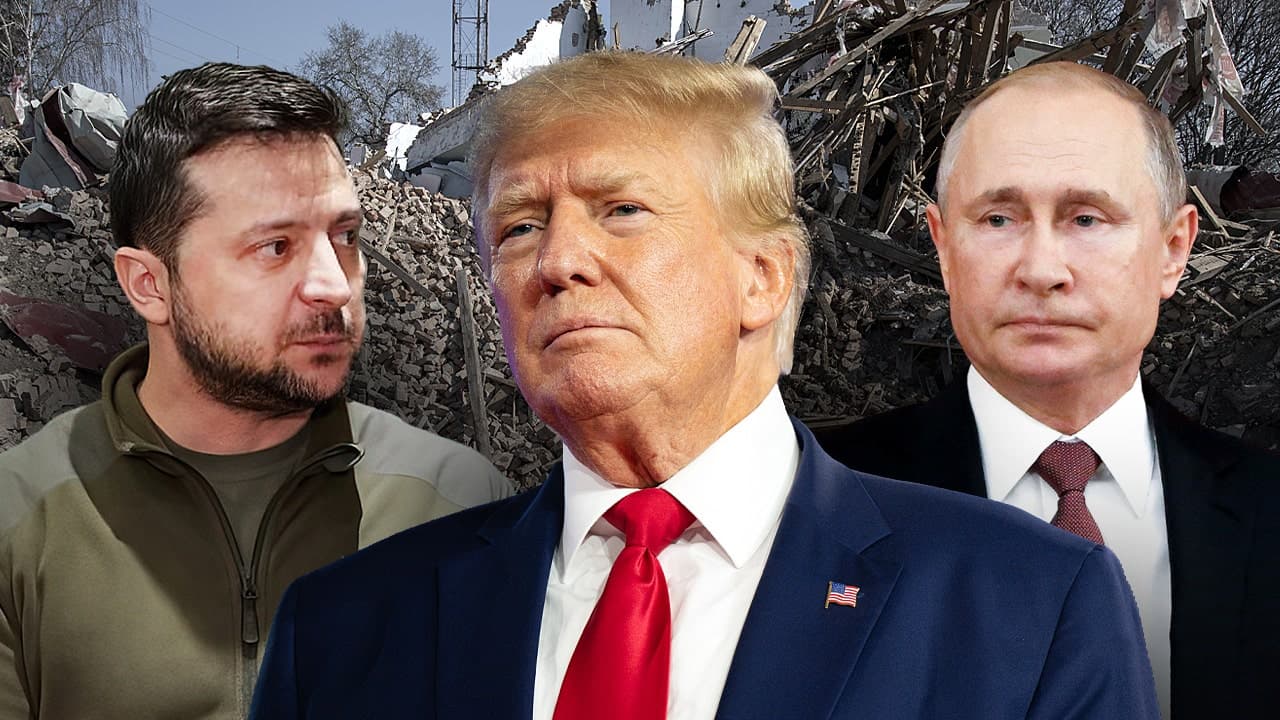
European leaders are confronting a stark choice as the United States pursues a high level diplomatic push to end the war in Ukraine. Officials in Brussels and national capitals say they fear a negotiated outcome that prioritizes a U.S. great power arrangement with Moscow over the security requirements and political expectations of European states and Ukraine itself.
The anxiety stems from a 28 point U.S. plan that critics say tilted toward Russian interests, and from a diplomatic rhythm that has increasingly excluded European representation. Talks between U.S. and Ukrainian officials in Florida did not include European delegates. U.S. Special Envoy Steve Witkoff is scheduled to meet President Vladimir Putin on Tuesday, a move European diplomats will follow from afar. Senator Marco Rubio has sought to reassure European partners, but diplomats remain skeptical and warn that a deal could include territorial concessions or other terms that would embolden Russia and leave Europe less secure.
"I get the impression that, slowly, the awareness is sinking in that at some point there will be an ugly deal," said Luuk van Middelaar, founding director of the Brussels Institute for Geopolitics. That assessment captures a growing fear that Washington and Moscow could reach an accommodation framed by great power logic, with Europe forced to accept terms it did not negotiate.
European governments identify several structural risks. First, political leverage over Moscow is diminished if frozen assets and sanctions are relaxed without enforceable guarantees. Second, security assurances offered by third parties may lack the permanence and collective defense mechanisms Europe expects from NATO obligations. Third, economic reintegration of Russia without verified commitments on territorial integrity and reparations could undermine Ukraine’s sovereignty and incentivize further coercion.
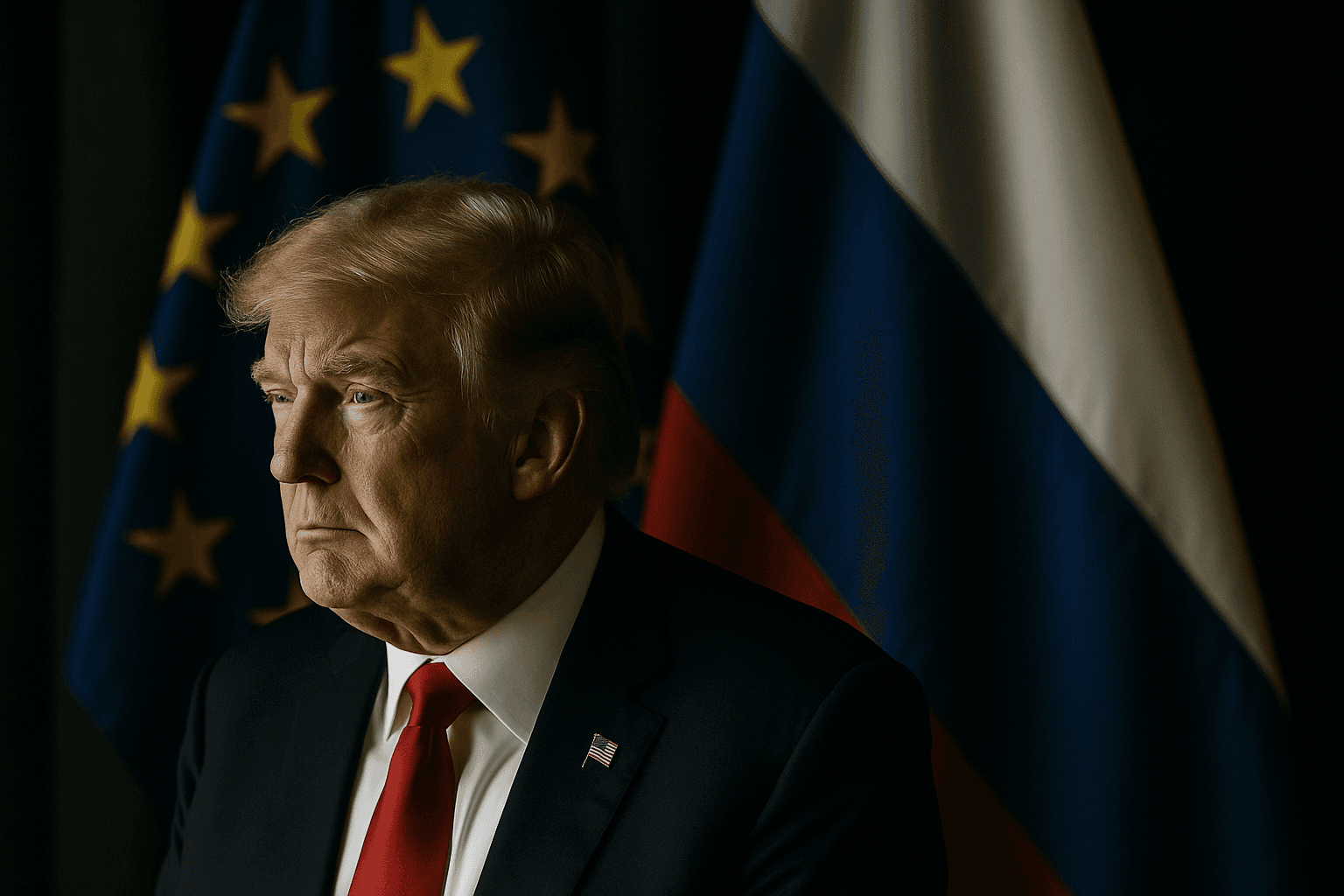
Institutional constraints compound the problem. NATO remains the central collective defense alliance, but Europeans lack the unilateral hard power to veto or reshape a deal driven by Washington. The European Union’s diplomatic footprint is significant, but it cannot substitute for the role of a primary security guarantor in negotiations dominated by a U.S. president intent on a resolution. That gap raises questions about transatlantic coordination and the mechanisms for parliamentary and public scrutiny of any agreement that affects European security.
The diplomatic dynamics also carry domestic political costs. European leaders will face pressure from voters and legislators to preserve sanctions tools, protect Ukrainians, and defend territorial norms. Civic engagement could translate into demands for independent contingency plans including economic measures, legal steps to safeguard frozen assets, and closer cooperation among EU members to blunt any unwelcome concessions.
As Washington advances direct discussions with Moscow, European diplomats are left to influence the outcome indirectly through allied capitals and public pressure. The coming days will test whether transatlantic consultation can avert a settlement that weakens deterrence and reshapes the post war balance of power in Europe. If an accord emerges that falls short of European expectations, its fiscal and security reverberations will be felt across the continent for years to come.
This article was produced by Prism’s automated news system from verified source data, official records, and press releases, then run through automated quality and moderation checks before publishing. The system is built and supervised by the people who set the standards it runs under. Read our full AI policy.
Did this article answer your question?

