Europe weighs curbs on Big Tech, cloud and satellite access
Europe’s push to curb Big Tech hit a split screen: spectrum rules may still leave room for Starlink and Amazon’s Leo, while cloud limits are set for June 3.
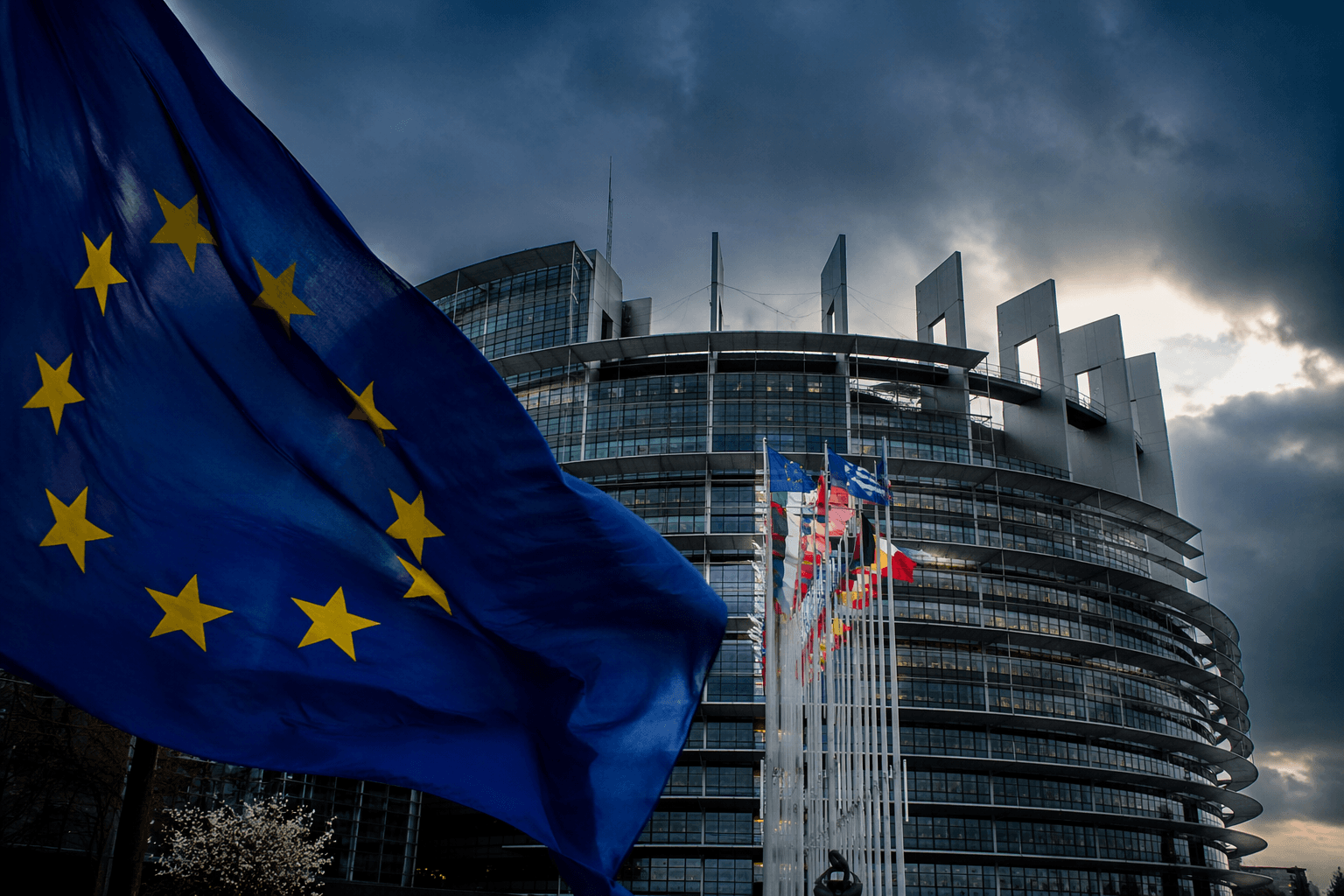
European leaders are split over how far to go in constraining Big Tech, even as they weigh decisions that could reshape access to mobile satellite spectrum and cloud contracts across the European Union. The debate has become a test of whether Brussels can turn its language of strategic autonomy into policy that actually shifts power away from dominant U.S. firms without undermining access, investment or deployment.
At the center of the spectrum fight is a compromise that would still leave room for Elon Musk’s Starlink and Amazon’s low-earth-orbit satellite venture Leo to compete next year. Under the proposal now taking shape, most frequencies would be reserved for European firms, a nod to industrial sovereignty. But the fact that two major U.S. players are still expected to remain in the race shows how hard it is for the bloc to translate anti-dependence rhetoric into a clean break from the companies that already supply critical infrastructure.
A separate decision on cloud tenders, due on June 3, is expected to temper the influence of U.S. firms as well. Even so, member states do not fully agree on how aggressively to favor European champions. Some governments want stronger limits on access for large multinationals, while others are wary of rules that could raise costs, slow procurement or invite political backlash from firms that remain deeply embedded in Europe’s digital economy.
The stakes reach well beyond competition policy. Satellite communications and cloud infrastructure are now treated as strategic layers of the modern economy, not back-office services. Who wins these contracts will shape public procurement, critical connectivity and the pace at which Europe can build its own digital capacity. The internal divide also exposes a broader contradiction: European leaders say they want less dependence on Big Tech, but many still rely on major U.S. providers for the systems that keep governments, businesses and households connected.

That tension is likely to define the next round of decisions. If Brussels reserves more space for European firms, it may help nurture local industry and reduce exposure to foreign platforms. If it moves too cautiously, the bloc risks preserving the status quo under a more restrictive set of rules. Either way, the argument over cloud and satellite access has become a referendum on whether Europe can build a more independent digital stack without choking off the investment and competition it still needs.
This article was produced by Prism’s automated news system from verified source data, official records, and press releases, then run through automated quality and moderation checks before publishing. The system is built and supervised by the people who set the standards it runs under. Read our full AI policy.
Did this article answer your question?