European carriers keep avoiding Iranian and Iraqi airspace despite reopenings
Flight-tracking data show major European airlines continued to reroute flights after Iran briefly reopened its skies, prolonging delays and higher operating costs.
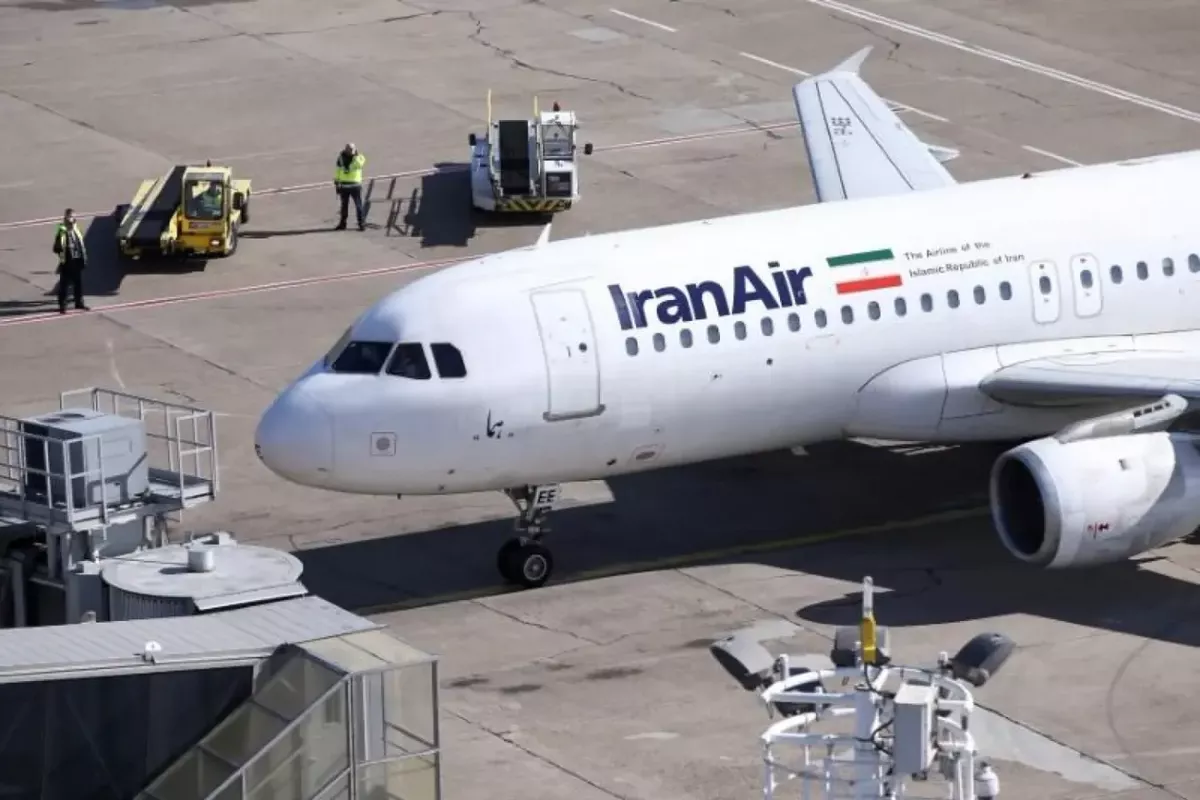
Flight-tracking data observed on Jan. 16 show multiple European carriers continued to avoid Iranian and Iraqi airspace even after Iran briefly reopened its skies following a nearly five-hour closure. The persistent diversionary routings forced longer flights, extra technical stops in some cases, and cancellations on key Gulf links.
Aircraft that normally cross Iranian or Iraqi corridors were routed northwards over Afghanistan and Central Asia or southerly via Saudi Arabian airspace to reach Gulf hubs, producing measurable operational friction. Wizz Air, Lufthansa and British Airways maintained visible detours on Jan. 16, while Singapore Airlines and TUI also continued alternative routings. Ryanair and Air France had in recent months already shifted or long avoided Middle Eastern corridors. British Airways’ owner IAG canceled BA services to Bahrain through Jan. 16, and carriers reported knock-on delays at hub airports.
KLM said it was “currently avoiding Iranian airspace as a precaution - a route we already rarely use. Last night’s closure of Iranian airspace therefore had no effect on our operations.” Finnair confirmed it had stopped flying through Iraqi airspace and was routing services to Doha and Dubai over Saudi Arabia, a change that would “slightly increase the flight times.” Security adviser Dyami’s director Eric Schouten recommended passengers refrain from booking flights transiting the area “at this time and for the next seven days, after which the situation will be reevaluated.”
Airlines cited continuing operational and safety concerns despite the reopening. Germany issued guidance cautioning carriers against entering Iranian airspace, and national aviation authorities and major operators treated the reopening as conditional rather than an immediate green light. The practical constraints are immediate: longer routings raise fuel burn and crew-time costs, push aircraft toward crew duty-time limits, and require some westbound services from Dubai and Abu Dhabi to add refueling or crew-change stops in Cyprus or Greece.
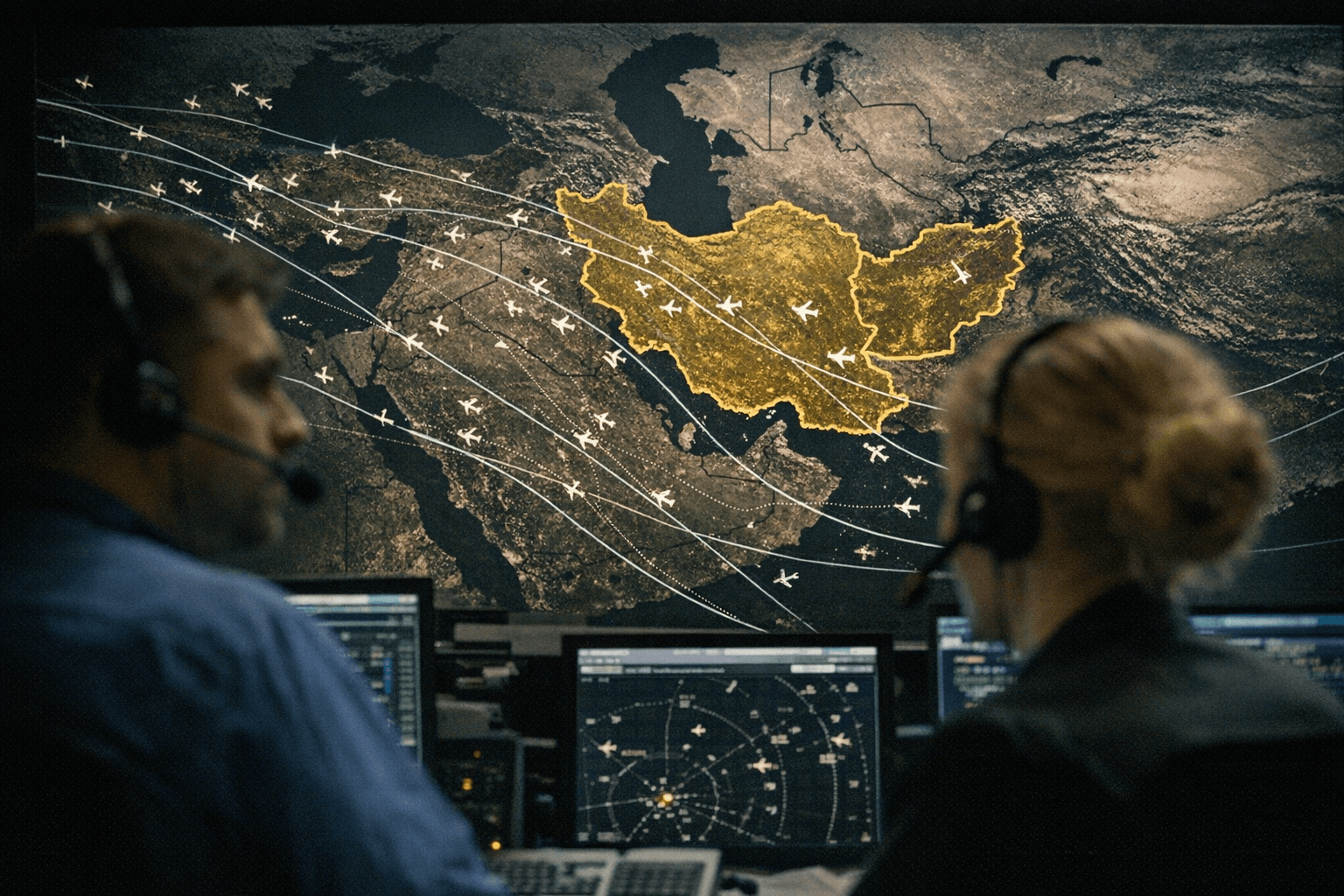
Those logistical shifts carry clear economic consequences. Longer sectors reduce daily aircraft utilization, raising unit costs and pressuring already thin margins on competitive routes. Additional technical stops and disrupted schedules complicate slot allocation at congested airports and can slow cargo flows between Europe and the Gulf, with potential ripple effects for time-sensitive freight chains. Insurers and risk underwriters are likely to factor persistent airspace avoidance into premiums and war-risk assessments, raising carriers’ operating costs further if the situation continues.
The backdrop to the disruption is elevated regional tensions, including concerns about possible U.S.-Iran military action and diplomatic moves such as Britain’s temporary closure of its embassy in Tehran. Industry sources said those geopolitical signals, more than the brief airspace closure itself, drove cautious operational responses.
For now, airlines and authorities said they would reassess routings in the coming days as the security picture evolves. But on Jan. 16 the default posture among many European carriers was prudence: accept higher costs and longer schedules rather than resume normal transit through corridors judged to carry residual risk. The net effect for passengers and shippers in the short term is increased journey times, sporadic cancellations and a higher likelihood of price or capacity adjustments if the situation persists.
This article was produced by Prism’s automated news system from verified source data, official records, and press releases, then run through automated quality and moderation checks before publishing. The system is built and supervised by the people who set the standards it runs under. Read our full AI policy.
Did this article answer your question?

