European Union Extends Russia Sanctions, Maintains Pressure Through July 2026
The Council of the European Union renewed sectoral and targeted economic sanctions on Russia for a further six month period, citing Moscow’s continuing actions destabilising Ukraine. The decision, effective until 31 July 2026, sustains a pattern of periodic renewals designed to keep economic and diplomatic pressure while leaving options open for additional measures.
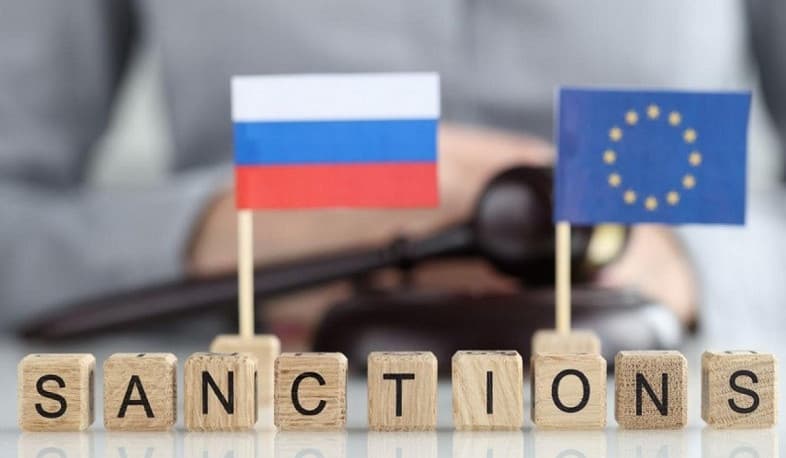
The Council of the European Union on 22 December 2025 decided to renew its sanctions package on the Russian Federation for a further six month period, extending measures until 31 July 2026. The move was described in a Council press service statement and reported by Ukrinform on 23 December 2025. “Today the Council renewed the EU restrictive measures in view of the Russian Federation’s continuing actions destabilising the situation in Ukraine for a further 6 months, until 31 July 2026.”
The renewal is a routine six month rollover that combines broad sectoral restrictions with targeted individual and entity measures that have formed the backbone of EU policy since the 2022 escalation of the conflict. Targeted actions include travel restrictions and asset freezes on named people and organisations, and a reiterated ban on making funds or other economic resources available to those listed. Sectoral measures continue to focus on finance, energy, technology, dual use goods, industry, transport and luxury goods, areas the Council says are strategically important to sustain pressure on Moscow.
For Brussels the decision is both pragmatic and symbolic. The six month cadence for renewals has been the established practice since the measures were first adopted, and files in the Consilium archive document a series of renewals and package adjustments through 2022 to 2025. The Council framed the latest step as necessary in view of ongoing destabilising actions in Ukraine, and emphasised that the measures are maintained as long as the situation requires.
The economic and diplomatic consequences are tangible. Finance and technology restrictions complicate Russian access to certain markets and components, adding friction to supply chains for semiconductors and advanced industrial equipment. Energy and transport constraints, while narrower than the early sweeping measures of 2022, continue to signal limits on cooperation that matter to global commodity flows. For European companies the renewal reinforces compliance demands and the need for rigorous due diligence to avoid inadvertent breaches of the asset and fund prohibition.
Internationally, the renewal keeps the EU aligned with partners that have sustained sanctions pressure while navigating differences in scope and enforcement. Legal justifications offered by the Council rest on international law principles related to actions that undermine the sovereignty and territorial integrity of a neighbour, and on the EU’s own foreign policy instruments. The measures do not foreclose further steps, and officials in Brussels have repeatedly said the package can be tightened or expanded if circumstances change.
The human and regional dimensions are also salient. Sanctions aim to raise costs for decision makers and key sectors, yet they also touch ordinary citizens through economic spillovers and restricted access to some goods. European policymakers must balance strategic objectives with mitigation of unintended humanitarian effects, including coordination on humanitarian exemptions and monitoring of downstream impacts in neighbouring states.
As the renewal takes effect, attention will shift to enforcement consistency across member states and to the wider diplomatic track. The six month period gives authorities time to assess outcomes and to recalibrate policy if necessary. For now the message from the Council is clear, the EU intends to sustain economic pressure as part of a broader effort to respond to the war in Ukraine while keeping diplomatic options open.
This article was produced by Prism’s automated news system from verified source data, official records, and press releases, then run through automated quality and moderation checks before publishing. The system is built and supervised by the people who set the standards it runs under. Read our full AI policy.
Did this article answer your question?


