Europe's First Hybrid Digital Coupler Test Links Legacy and Modern Freight Wagons
A WLE locomotive in Germany coupled to wagons with two incompatible systems in one consist, proving staged digital migration is viable for Europe's mixed-fleet freight operators.
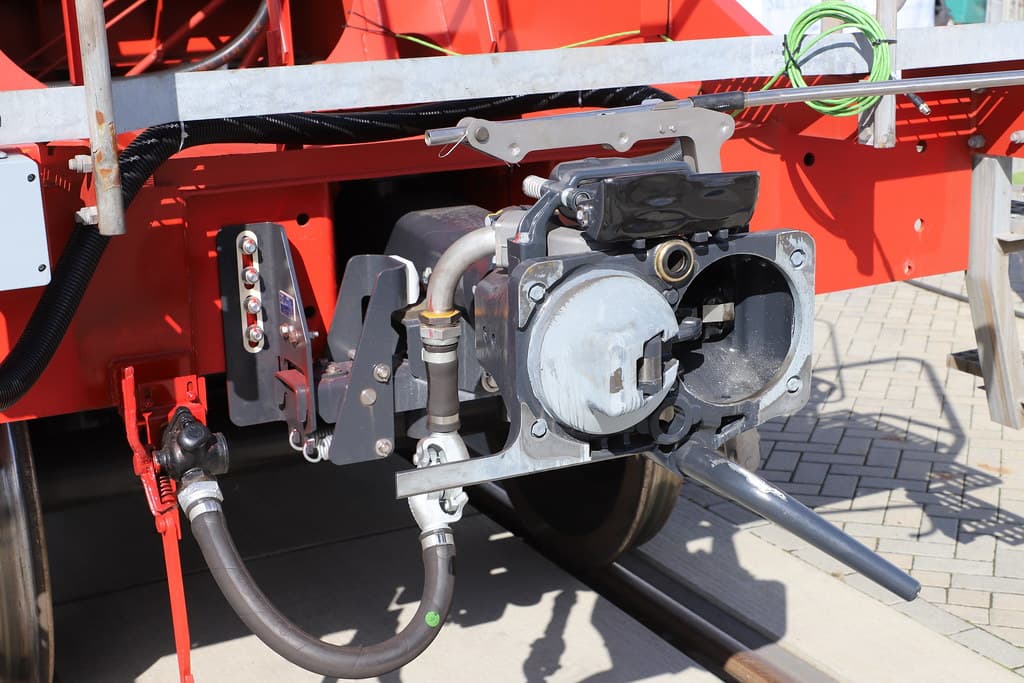
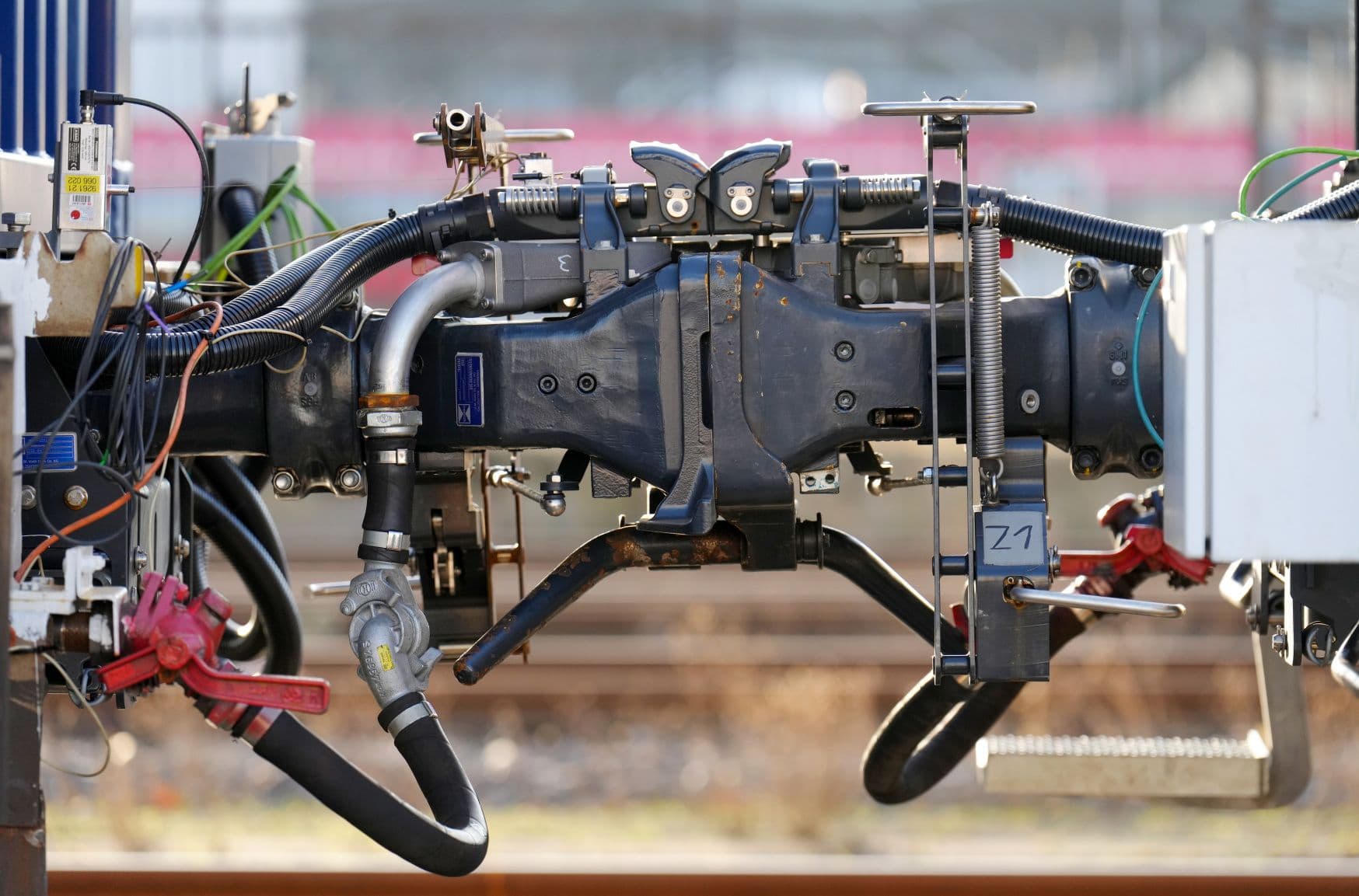
A single converted locomotive threading through a German freight consist just made the case that Europe's railways don't have to choose between the old and the new. Westfälische Landes-Eisenbahn GmbH completed the first commercial test run using a Hybrid Digital Automatic Coupler locomotive, demonstrating that one converted engine can physically and digitally connect to wagons fitted with traditional screw couplers alongside wagons already upgraded with fully digital automatic couplers, all within the same train formation.
The test, conducted under the DAC4EU consortium's trial program in Germany, confirmed the Hybrid-DAC unit delivers more than a mechanical link. The system establishes electrical and digital interfaces across the consist, enabling power supply to wagons and the flow of data signals that support remote monitoring, condition reporting, and advanced train control functions including distributed braking and onboard power for sensors and actuators. WLE had already fitted 13 freight wagons with DAC technology ahead of the trial, giving the test the real-world composition that actually matters to operators running mixed fleets.
The practical implication is significant for any operator sitting on hundreds of legacy wagons that cannot be replaced in a single budget cycle. The Hybrid-DAC approach lets an operator run digitally enabled services incrementally, keeping older screw-coupler equipment in revenue service while progressively introducing DAC-fitted wagons, without forcing trains apart at the technological boundary.
DAC4EU said the next step follows quickly: a fully digital freight train is scheduled to enter commercial service on WLE's network within weeks. That staged rollout, hybrid interoperability first and a full digital consist second, reflects a deliberate migration path designed to lower the barrier for branch-line operators and freight carriers across Europe who cannot commit to wholesale fleet replacement.
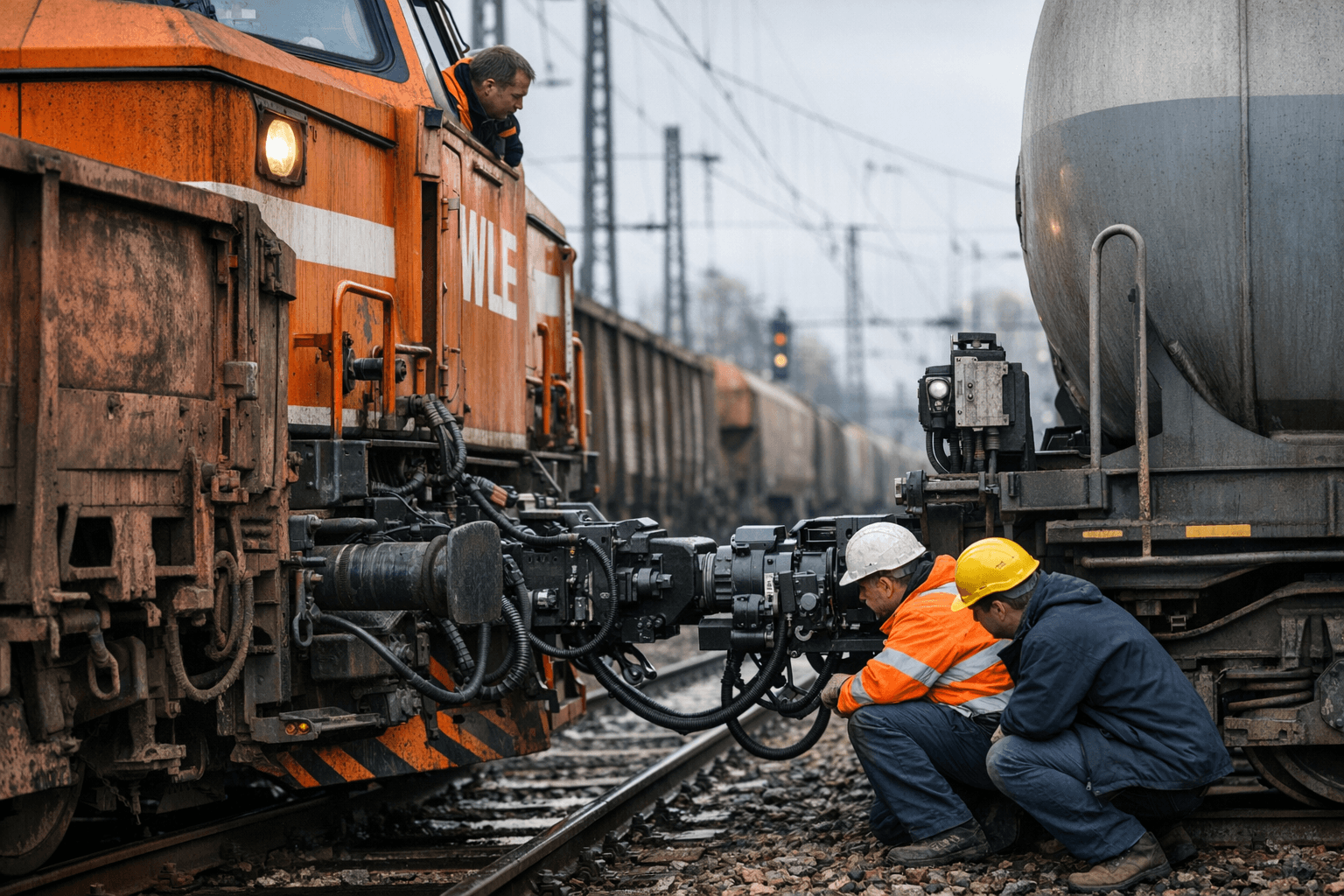
The broader push for Digital Automatic Coupling across European rail has been building for years, driven by the promise of faster, safer train assembly and the real-time data flows that underpin predictive maintenance and fuel efficiency gains. What has consistently slowed uptake is the transition problem: fleets are mixed, capital budgets are constrained, and interoperability gaps make partial adoption impractical. The WLE test directly addresses that gap with a commercially operated demonstration rather than a laboratory proof of concept.
Whether the Hybrid-DAC can sustain its performance under the repetitive mechanical stress of daily freight cycles remains the critical test ahead, and the economics of retrofitting older wagons will shape how quickly the technology spreads beyond early adopters. DAC4EU's March 30 milestone, however, established something the industry has long needed: a verified, commercially tested pathway for operators to begin the migration without waiting for a complete fleet overhaul.
Sources:
Know something we missed? Have a correction or additional information?
Submit a Tip