Eurozone Growth Slows to 0.1 Percent as Inflation Jumps to 3.0 Percent
Eurozone output rose just 0.1 percent while inflation hit 3.0 percent, leaving Europe stuck between weak demand and an energy shock.

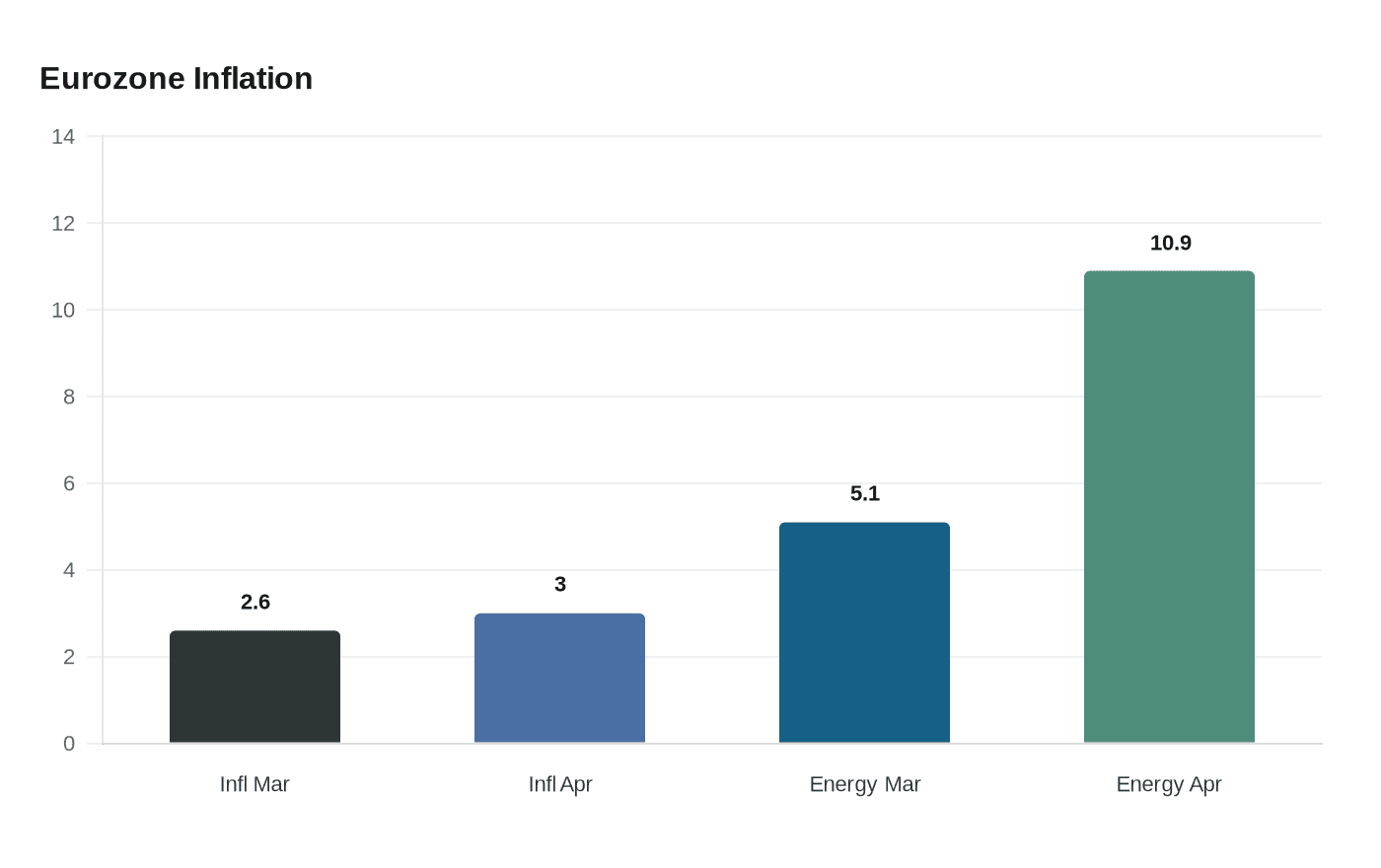
Europe’s economy barely moved in the first quarter, and prices picked up again, a combination that leaves the eurozone exposed to the fallout from higher energy costs tied to the conflict in the Middle East. Euro area gross domestic product rose just 0.1 percent from the previous quarter, slowing from 0.2 percent in late 2025, while inflation accelerated to 3.0 percent in April from 2.6 percent in March. The numbers point to an economy that is losing momentum just as households and businesses face a renewed squeeze on fuel and operating costs.
The pressure is coming most clearly through energy. Eurostat said energy inflation jumped to 10.9 percent in April from 5.1 percent in March, a surge that helps explain why the broader price picture turned hotter even as growth softened. Inflation excluding energy and food was projected by the European Central Bank to average 2.3 percent in 2026, but the latest figures show how quickly that outlook can be disrupted when oil and gas markets react to geopolitical shocks. For the United States, that matters because a weaker eurozone can trim demand for American exports, unsettle global investors, and add another layer of volatility to markets already watching energy prices and central bank policy.
The European Central Bank responded by holding its three key interest rates unchanged on 30 April, keeping the deposit facility rate at 2.00 percent. In Frankfurt am Main, policymakers said upside risks to inflation and downside risks to growth had intensified. ECB staff projections released in March had already lowered growth expectations and raised inflation estimates because of higher energy prices tied to the war in the Middle East, with headline inflation seen averaging 2.6 percent in 2026 and real GDP growth just 0.9 percent.
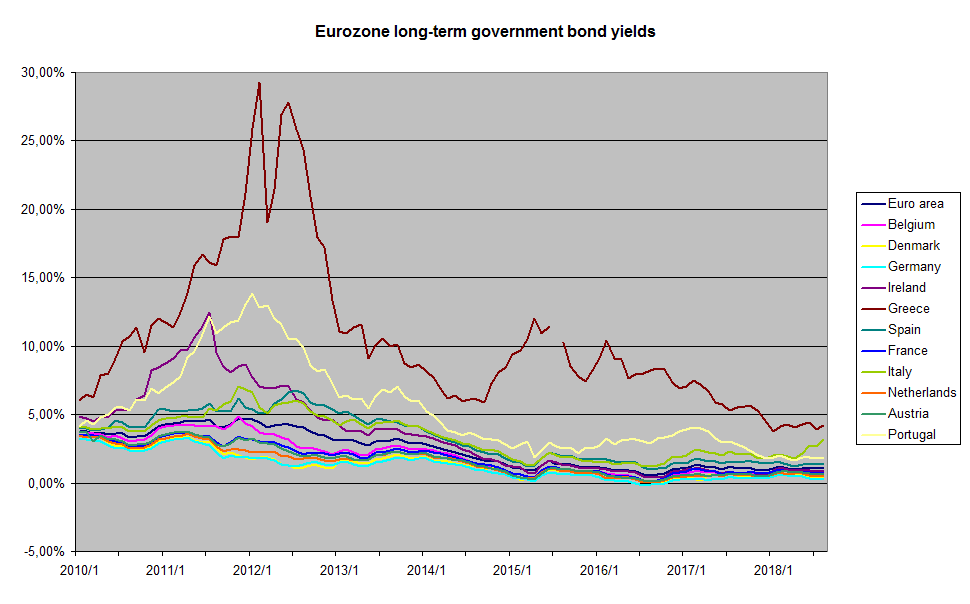
The slowdown is uneven across the currency bloc, but the broad signal is still weak. Germany, the eurozone’s largest economy, grew 0.3 percent in the quarter, while France stagnated. The wider European Union also managed only 0.1 percent quarterly growth, and euro area unemployment, while still low by recent standards, stood at 6.2 percent in March, down from 6.3 percent in February, with 10.984 million people out of work. Even so, the European Commission’s April consumer-confidence gauge fell to minus 20.6, its lowest level since the turn of 2022 and 2023, underscoring how far sentiment has sagged as energy costs rise and growth stalls.
This article was produced by Prism’s automated news system from verified source data, official records, and press releases, then run through automated quality and moderation checks before publishing. The system is built and supervised by the people who set the standards it runs under. Read our full AI policy.
Did this article answer your question?

