Exiled Iranian prince urges West to back change, not watch from afar
Reza Pahlavi pressed Germany to engage on Iran, but his reach at home remained uncertain as protests, crackdowns and Strait of Hormuz tensions raised the stakes.
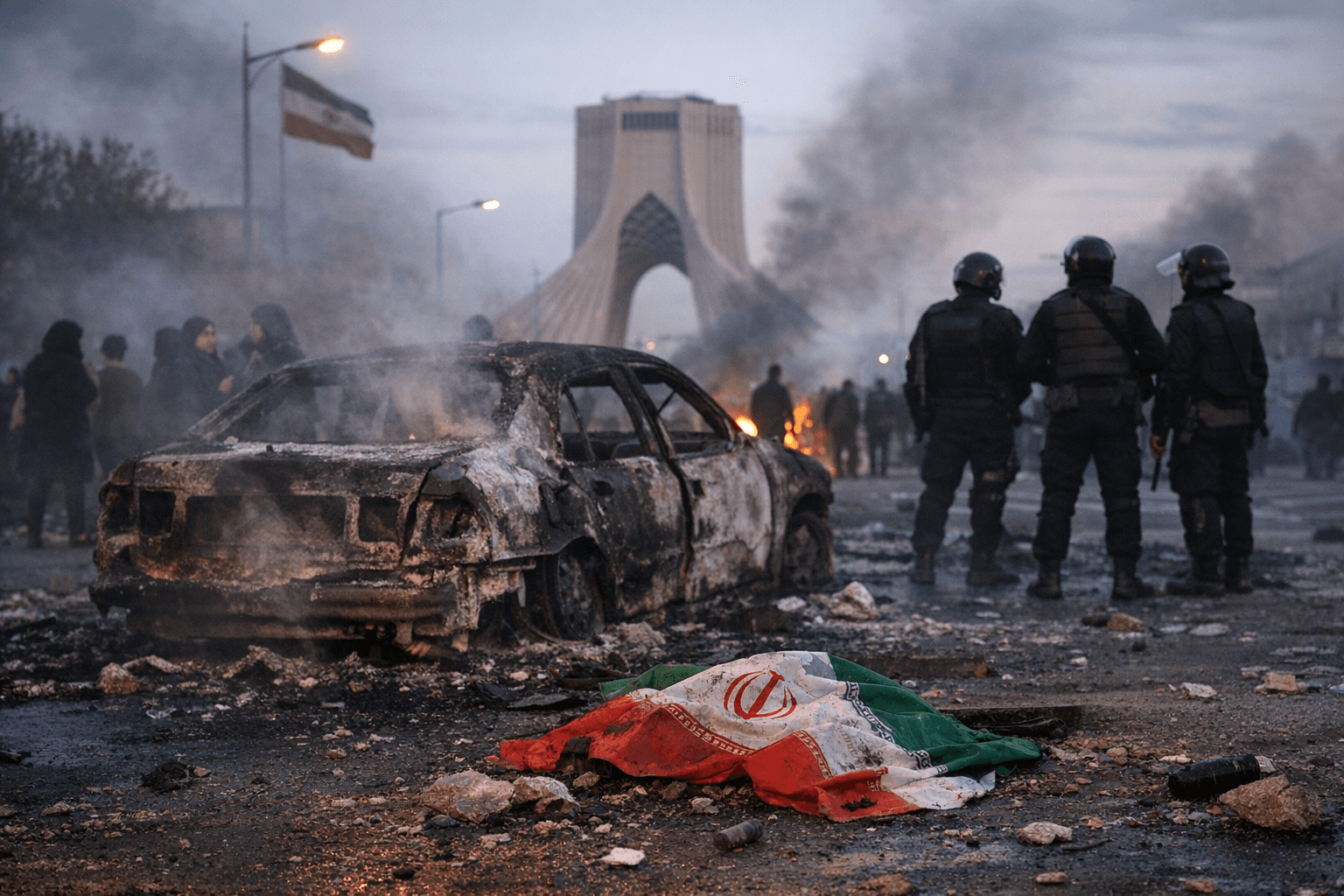
Reza Pahlavi used a Berlin news conference to argue that Western governments should do more than observe Iran’s conflict from a distance, but his call also exposed the limits of his own leverage inside the country. The exiled son of Iran’s last shah said Europe had stood by while Tehran crushed dissent, and he pressed democracies to support change rather than wait for events to run their course.
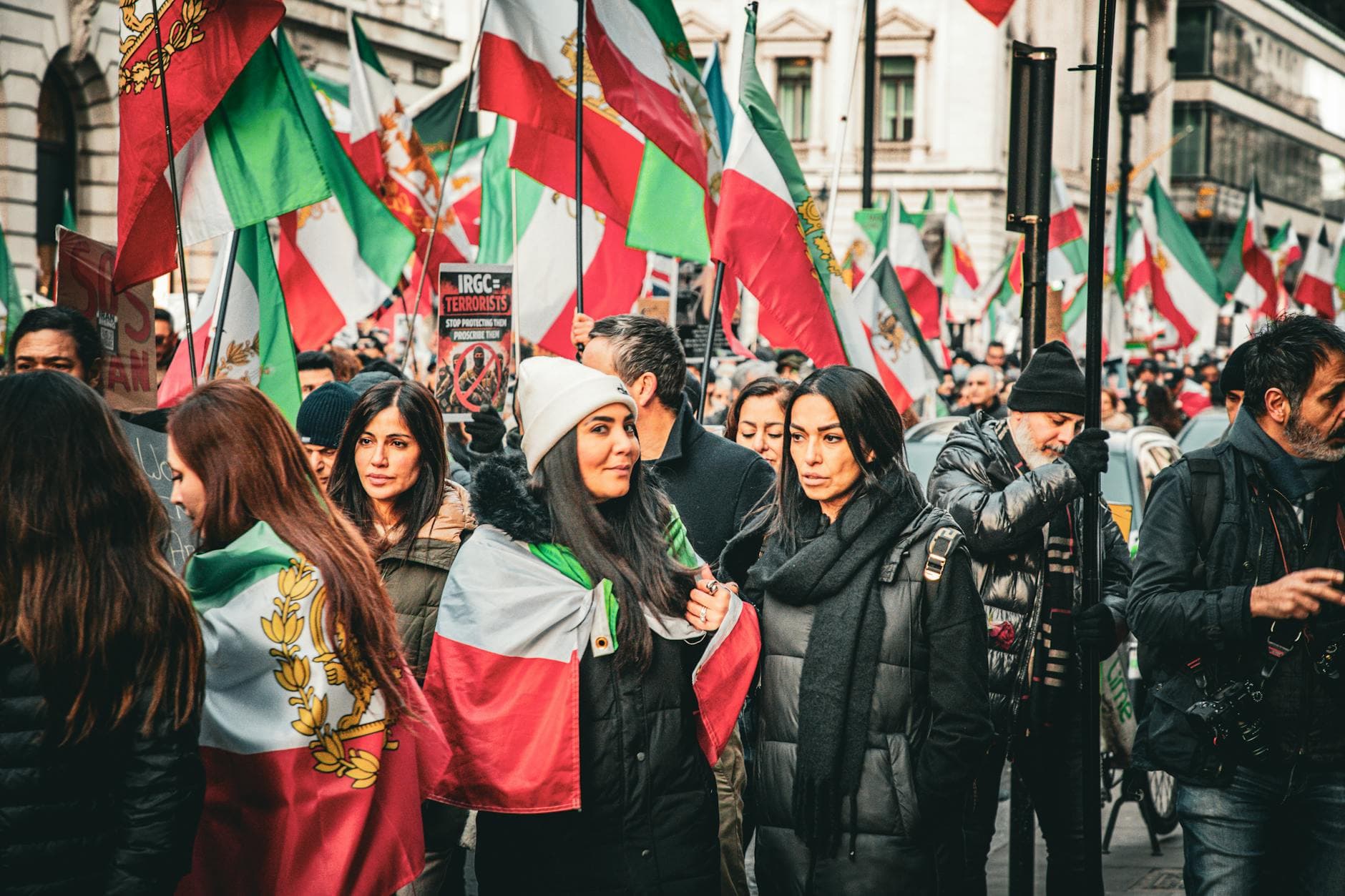
Pahlavi, whose father Mohammad Reza Pahlavi was toppled in the 1979 revolution that brought Ayatollah Ruhollah Khomeini to power, criticized the German government for refusing to meet him during his visit. He said that refusal was “a disgrace” and urged European governments not to appease Iran’s leadership. Outside the building, supporters and opponents gathered in the street, and one person was detained after Pahlavi was splashed with a red liquid, a reminder of how polarizing his name remains nearly half a century after the monarchy fell.
His argument rested on a simple warning: political change in Iran would come whether Western capitals helped or not, but delay would carry a human cost. That message collided with a harder political reality. Iran’s opposition is deeply fractured, and many governments remain cautious about backing Pahlavi openly because his support base inside Iran is unclear. He has long presented himself as a potential opposition leader, yet the split between exiles, reformists, republicans and labor activists has made it difficult for any single figure to claim a national mandate.
The pressure on Tehran has only sharpened the stakes. Negotiations have stalled, and the Strait of Hormuz has become a flash point again after Iran seized two ships there on April 22. The narrow waterway carries about one-fifth of global oil flows, giving the confrontation immediate economic consequences far beyond Iran’s borders. A prolonged blockade or severe restriction would ripple through shipping costs, energy prices and inflation just as governments are trying to manage a broader regional war.
The crackdown inside Iran has also shaped the debate over who can speak for the opposition. Amnesty International said protests erupted on December 28, 2025, and that authorities cut all internet access on January 8, 2026. Human Rights Watch said the death toll rose into the thousands, while Iranian officials later said 3,117 people were killed. Against that backdrop, Pahlavi’s Berlin appearance was not just a plea for attention. It was an attempt to turn exile into political leverage at a moment when the Islamic Republic still had the machinery, and the will, to suppress dissent.
This article was produced by Prism’s automated news system from verified source data, official records, and press releases, then run through automated quality and moderation checks before publishing. The system is built and supervised by the people who set the standards it runs under. Read our full AI policy.
Did this article answer your question?


