Exmoor eagle reintroduction plan sparks livestock fears among farmers
Farmers fear sea eagles could take lambs as Exmoor weighs releasing up to 20 birds, a plan backed by conservationists and tied to Scotland-to-Somerset rewilding.
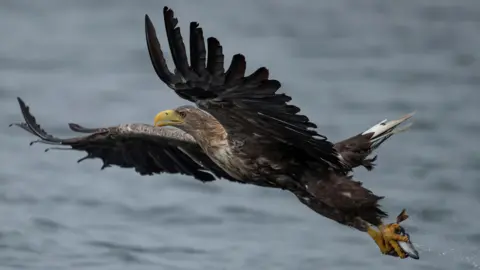
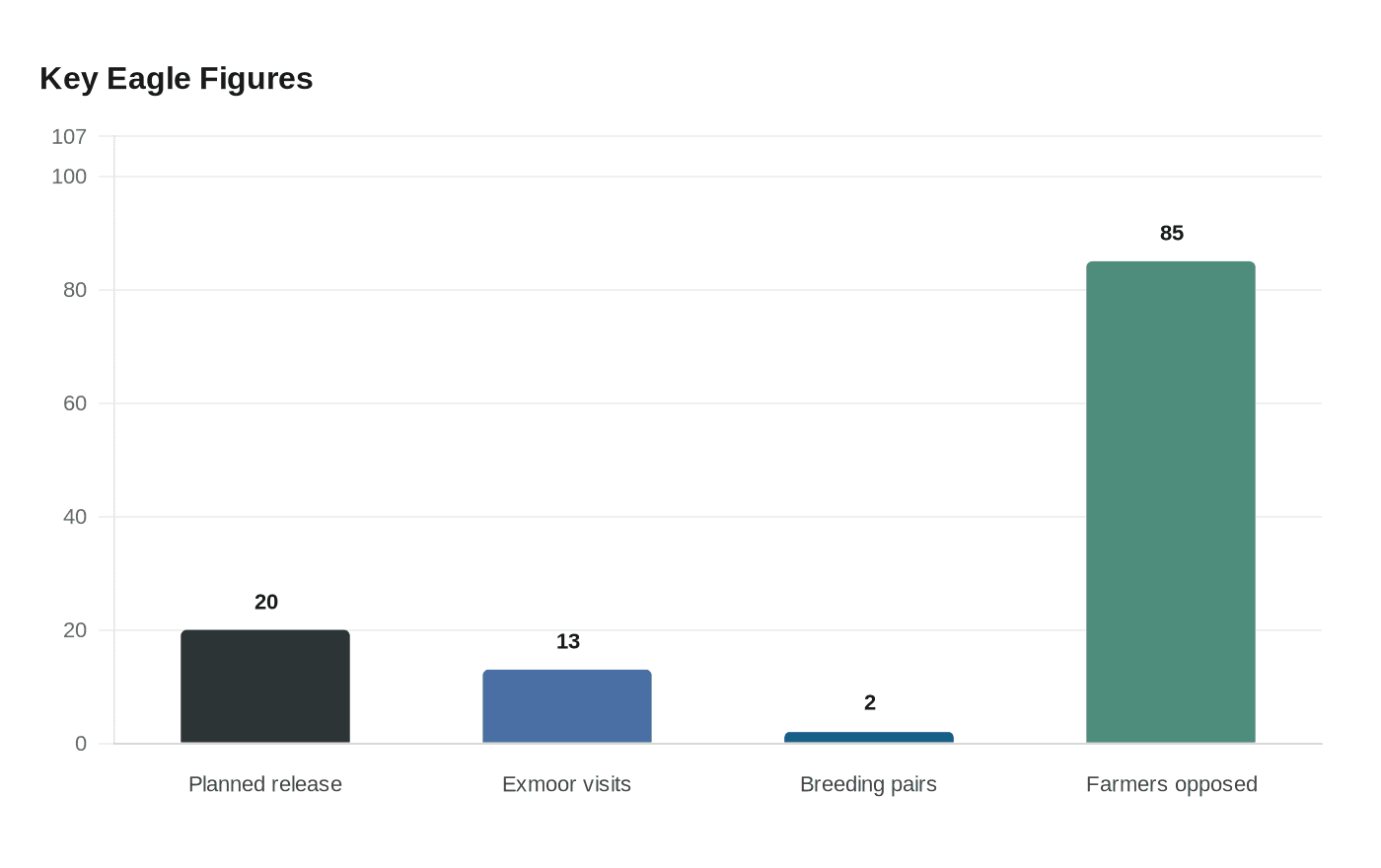
Exmoor’s plan to release up to 20 juvenile white-tailed eagles over three years has turned the national park into a test case for the clash between rewilding and rural livelihoods, with farmers warning the UK’s largest bird of prey could threaten lambs and upland flocks. The proposal covers west Somerset and north Devon and sits inside a wider southern England reintroduction led by the Roy Dennis Wildlife Foundation and Forestry England under licence from Natural England.
Supporters argue the bird belongs back on the landscape. Exmoor National Park Authority says white-tailed eagles once bred on the Exmoor coast before being persecuted to extinction across the UK, and that the park has already become a strong draw for the species because birds released on the Isle of Wight have been visiting since 2019. The authority says 13 birds have visited Exmoor since then, a sign that the area’s coastal woodland, moorland and prey base could support a breeding population.
The conservation case rests on a project already under way elsewhere. Forestry England says the overall programme began in 2019, with juvenile eagles taken from wild nests in Scotland under licence from NatureScot, reared in aviaries and then released on the Isle of Wight. The Roy Dennis Wildlife Foundation says that southern England project has been highly successful, with two wild pairs breeding successfully in 2025 and a long-term aim of six to eight breeding pairs along the south coast.
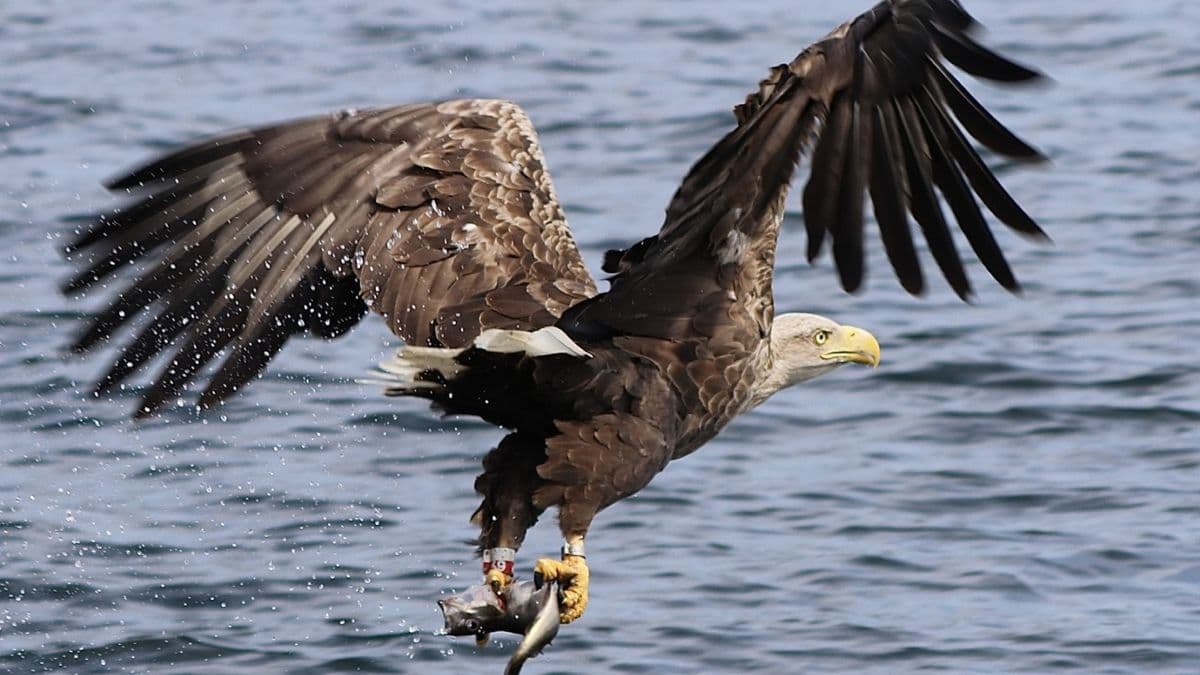
The opposition is just as clear. Farmers fear the birds could take lambs, while a broader backlash has emerged beyond Exmoor. An NFU-led survey in Northern England found 85% of farmers opposed white-tailed eagle reintroduction, reflecting deep concern about livestock welfare and the pressures on upland farming. That resistance has made consultation central to the Exmoor debate.
Exmoor National Park Authority launched a public perception survey and engagement events in November 2024, but the controversy has not eased. The Exmoor Society later commissioned a report in September 2025 to give a balanced overview of the evidence and improve the process. Its historical argument is powerful: white-tailed eagles were once widespread, then driven out through persecution, with the last pair known to have bred in England on Culver Cliff on the Isle of Wight in 1780.
Across the UK, the policy question now is whether Exmoor can show that rewilding, compensation and farm support can coexist. In Scotland, planners point to a management plan and potential grants where predation is confirmed, a sign that any credible rollout on Exmoor will have to answer the livestock question with more than symbolism.
This article was produced by Prism’s automated news system from verified source data, official records, and press releases, then run through automated quality and moderation checks before publishing. The system is built and supervised by the people who set the standards it runs under. Read our full AI policy.
Did this article answer your question?


