Nvidia CEO Joins Trump’s China Trip as Trade Talks Intensify
Jensen Huang was added to Trump’s China trip after a last-minute call, putting Nvidia’s chip access at the center of trade talks with Xi Jinping.
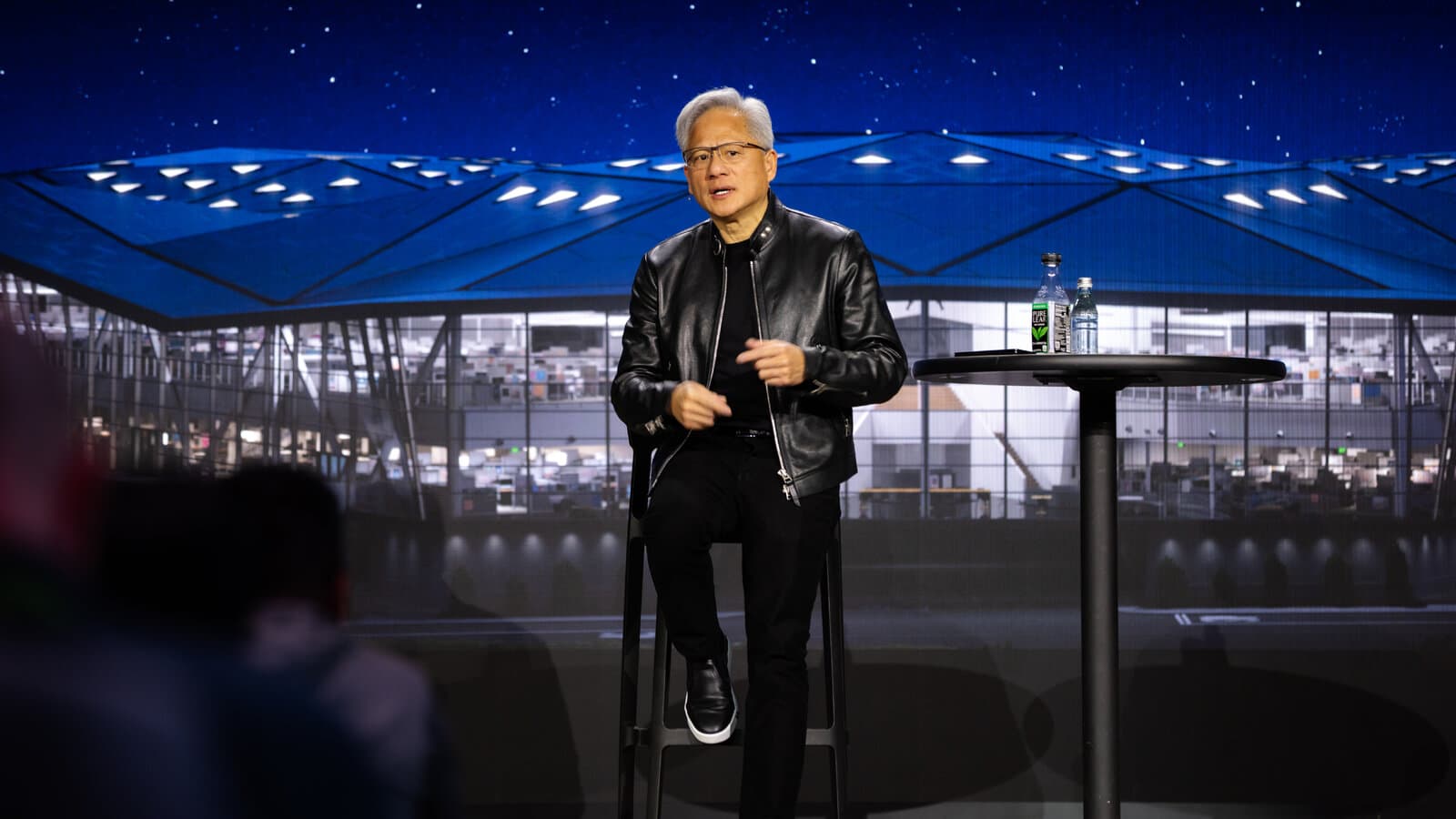
Jensen Huang was pulled into Donald Trump’s China trip at the eleventh hour, turning a presidential diplomacy mission into a direct test of how far Washington will bend for a company that depends on access to the Chinese market. Trump said he would ask Xi Jinping to “open up” China to U.S. business, and he confirmed aboard Air Force One that Huang was joining him after earlier reports had said the Nvidia chief would not travel.
The reversal sharpened the stakes of a trip already loaded with trade, geopolitics and corporate interest. Trump’s visit marked the first by a U.S. president to China in nearly a decade, and the talks were expected to stretch beyond commerce to the Iran war and U.S. arms sales to Taiwan. The White House also planned a summit with a large business delegation, underscoring how closely the administration was tying commercial access to broader diplomatic pressure.
Huang’s presence mattered because Nvidia has been pressing for greater access to China for its H200 AI chips and has struggled to win regulatory permission to sell them there. Huang has argued that China’s AI market could be worth about $50 billion in the next two to three years, and that being shut out would be a tremendous loss for Nvidia. The company warned in May 2025 that restrictions on H20 shipments to China would produce a $5.5 billion quarterly charge, a reminder of how deeply export controls cut into its balance sheet.
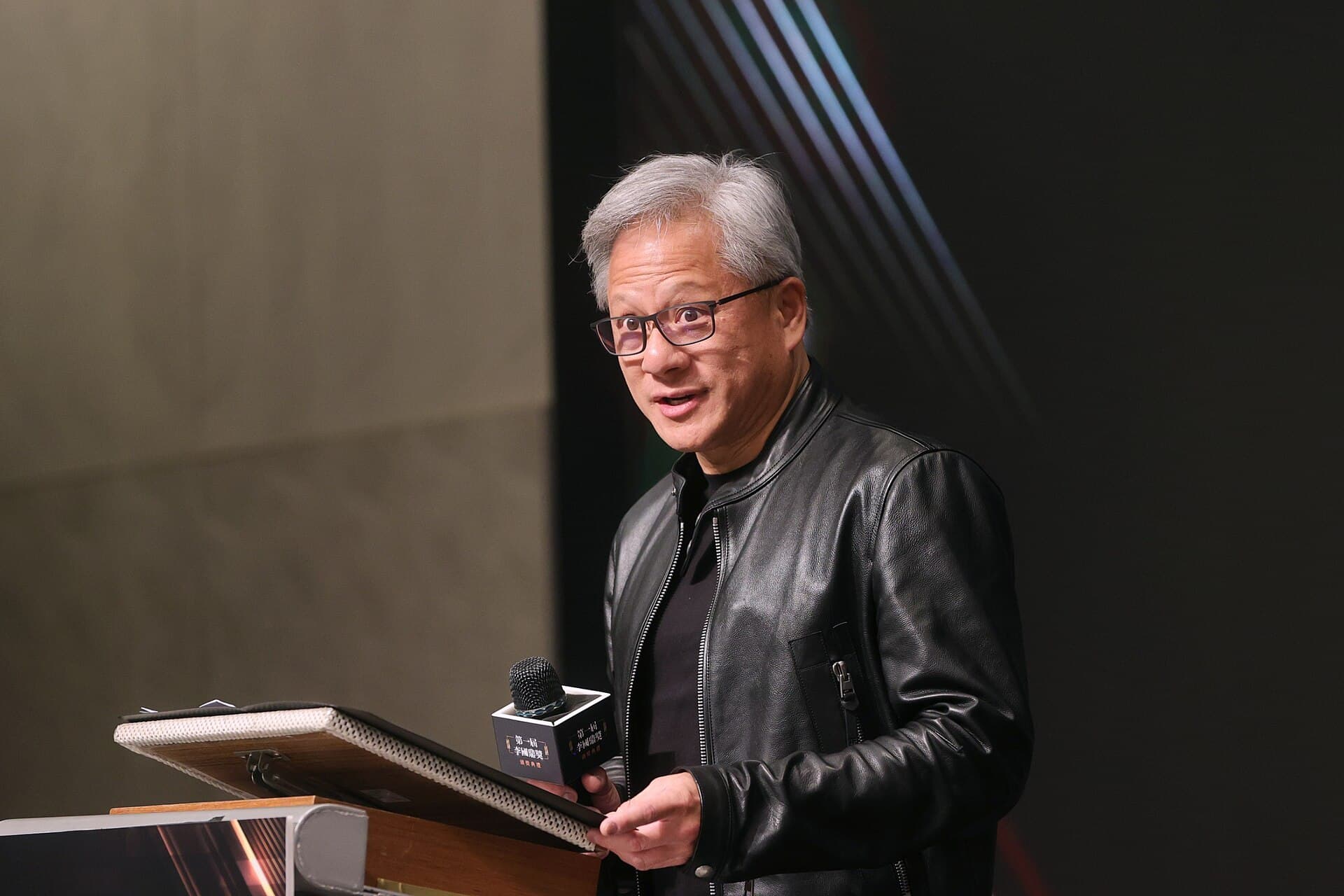
The trip also reflected how intensely chip executives have tried to shape the policy debate around export controls and AI competition. Trump’s delegation was expected to include 16 U.S. executives, among them Elon Musk, Tim Cook, Larry Culp, Larry Fink, Stephen Schwarzman, Kelly Ortberg, David Solomon and Jane Fraser. That roster signaled a broader business push to influence the terms of U.S.-China engagement, even as Washington weighs security concerns against the pull of one of the world’s most important technology customers.
The scramble over Huang’s attendance exposed the political sensitivity around Nvidia’s China business. There had been concerns that bringing him to Beijing could lead to awkward conversations over chip sales and deepen criticism from Republican China hawks, especially after Trump moved to let Nvidia sell more advanced semiconductors to China. For Trump, the addition of Huang offered a symbol of commercial ambition. For Nvidia, it put the company’s dependence on China at the center of one of the most delicate trade fights between Washington and Beijing.
This article was produced by Prism’s automated news system from verified source data, official records, and press releases, then run through automated quality and moderation checks before publishing. The system is built and supervised by the people who set the standards it runs under. Read our full AI policy.
Did this article answer your question?