U.S., China align against shipping tolls in Strait of Hormuz
Washington and Beijing found a rare overlap on Hormuz: no state should charge tolls on a chokepoint that carries about 20 million barrels a day.
Washington and Beijing have landed on a rare point of agreement: no country should be allowed to charge shipping tolls in the Strait of Hormuz, a narrow passage that sits at the center of global energy security and a broader fight over freedom of navigation.
The State Department said the issue came up in an April phone call between Chinese Foreign Minister Wang Yi and U.S. Secretary of State Marco Rubio. The unusual part was the U.S. readout itself, since the department had not previously disclosed a summary of the call, a departure from normal practice. China did not contest the American account. The Chinese embassy in Washington instead said it hoped all sides could work together to restore normal traffic through the strait.
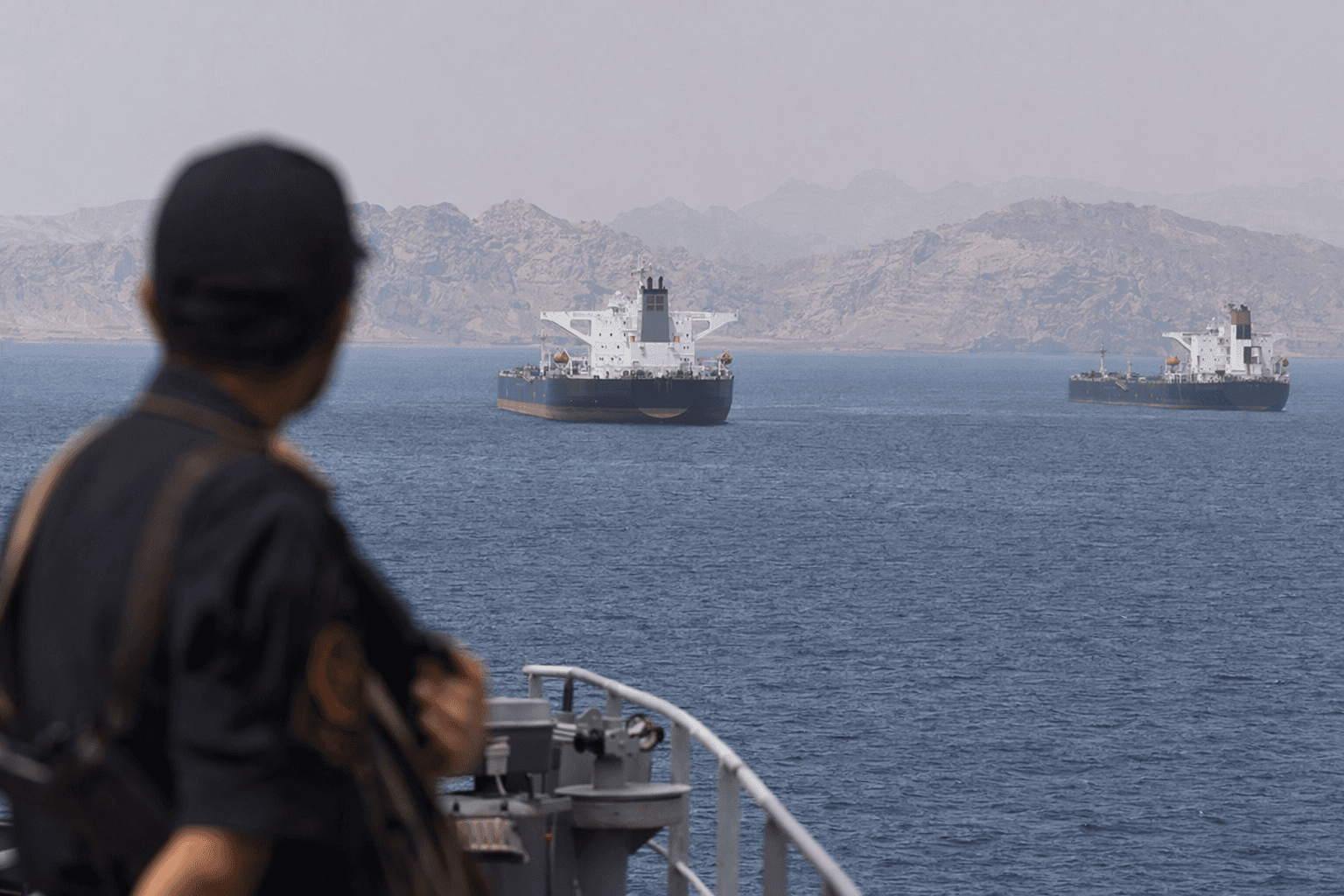
That overlap matters because the stakes stretch far beyond a single dispute with Iran. The Strait of Hormuz is only 29 nautical miles wide at its narrowest point and contains two 2-mile-wide shipping lanes plus a buffer zone. The International Energy Agency said about 20 million barrels per day of oil and oil products passed through the waterway in 2025, roughly one-quarter of world seaborne oil trade. Around 80% of the oil leaving Hormuz is destined for Asia, and China and India together received 44% of Hormuz crude exports last year. The agency also said Qatar and the United Arab Emirates’ liquefied natural gas exports that transit the strait make up almost 20% of global LNG trade, while only 3.5 million to 5.5 million barrels per day of pipeline capacity exists to bypass the chokepoint.
The U.S. Energy Information Administration said Hormuz handled an average of 20 million barrels per day in 2024, about 20% of global petroleum liquids consumption, and warned that even short disruptions can lift shipping costs and world energy prices. That is why the issue has moved to the center of diplomacy. On May 5, Marco Rubio said Iran was threatening ships, laying sea mines and trying to charge tolls in the strait. The same day, Washington said it had drafted a United Nations Security Council resolution with Bahrain, Saudi Arabia, the United Arab Emirates, Kuwait and Qatar to defend freedom of navigation. On May 1, the U.S. warned shippers that paying tolls, donations or other fees to Iran could still trigger sanctions, regardless of how the payment was structured.
China’s stance has sharpened the significance of that coalition. In talks with Iranian Foreign Minister Abbas Araghchi on May 6, Beijing urged an immediate end to hostilities and a prompt resumption of shipping traffic through Hormuz. Donald Trump has at times floated fees of his own, but the White House later said it wanted the strait open without limitations. For Washington and Beijing, the overlap is narrow. For oil markets, LNG cargoes and the rules governing passage through one of the world’s most consequential waterways, it is decisive.
This article was produced by Prism’s automated news system from verified source data, official records, and press releases, then run through automated quality and moderation checks before publishing. The system is built and supervised by the people who set the standards it runs under. Read our full AI policy.
Did this article answer your question?


