Experts say thermostat tweaks can cut summer cooling bills
A 78-degree setting can shave 6% to 18% off cooling costs, while the biggest savings come from better equipment and insulation, not tiny thermostat tricks.
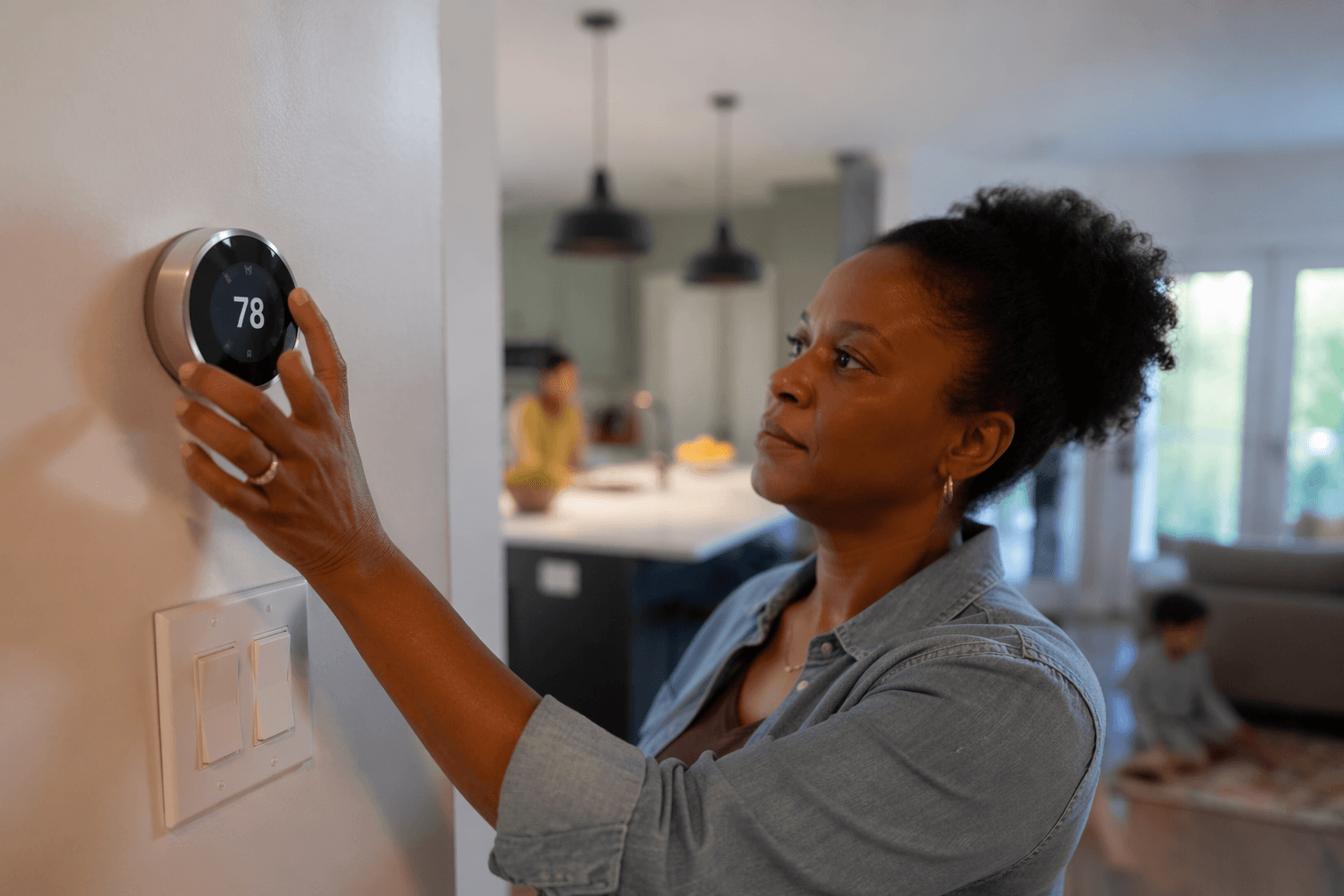
As heat waves push homes to run air conditioners longer, the monthly bill becomes part weather report, part budget shock. The U.S. Department of Energy says a thermostat set between 75 and 78 degrees Fahrenheit is a practical daytime starting point, and the agency says even small changes can cut cooling costs without sacrificing every bit of comfort.
The thermostat setting that matters most
The clearest savings come from the thermostat itself. The Department of Energy says running air conditioning at 78 degrees instead of 72 degrees can reduce a cooling bill by 6% to 18%, and that turning the thermostat back 7 to 10 degrees for 8 hours a day can save as much as 10% a year on heating and cooling. When no one is home, the agency recommends raising the setting by 7 degrees, a change that trims waste without asking a household to cool an empty house.
That advice matters because cooling is not a minor line item. The Department of Energy says space heating, space cooling and water heating are among the largest energy costs in a home, and 43% of a typical utility bill goes to heating and cooling. In other words, the thermostat is not just about comfort. It is one of the few controls households can use immediately when utility bills start climbing.
Why hot weather drives bills higher for everyone
The cost pressure does not stop at the front door. The U.S. Energy Information Administration says electricity demand typically peaks in July or August as air-conditioning use rises, and on especially hot summer days utilities may have to run their most expensive generation units to meet peak air-conditioning load. That means extreme heat can raise costs across the grid, not just inside individual homes.
The EIA said in June 2025 that residential electricity bills could increase slightly that summer, even though it expected temperatures to be only slightly cooler than summer 2024. The agency also noted that nearly 90% of U.S. households cool their homes with air conditioning, which helps explain why a heat wave quickly becomes a mass consumer issue rather than a niche household nuisance. The Associated Press has described extreme weather as increasingly frequent and disruptive, and the economic strain shows up each time families are forced to absorb higher cooling costs.
What saves real money, and what saves pennies
Some changes make a measurable dent; others are mostly about squeezing out a little extra efficiency. The Department of Energy says cleaning or replacing air conditioner filters monthly can help systems run more efficiently, and keeping vents and registers clear prevents cooled air from being blocked. Those steps are simple, inexpensive and worth doing regularly, especially during a long cooling season.
A few habits can also stop the thermostat from being fooled. The Department of Energy warns against placing lamps or televisions near a thermostat because they can make it sense extra heat and keep the air conditioner running longer than necessary. Programmable thermostats add another layer of control, especially for households with predictable routines, because they make the recommended setback easier to maintain day after day.
The larger payoff usually comes from pairing those small changes with bigger upgrades. The Department of Energy says combining efficient equipment with insulation, air sealing and thermostat settings can cut heating and cooling bills by about 30%. That is the kind of reduction that changes a household budget in a meaningful way, far more than a marginal tweak that only lowers the bill by a few dollars.
Why this is a public health issue, not just a comfort issue
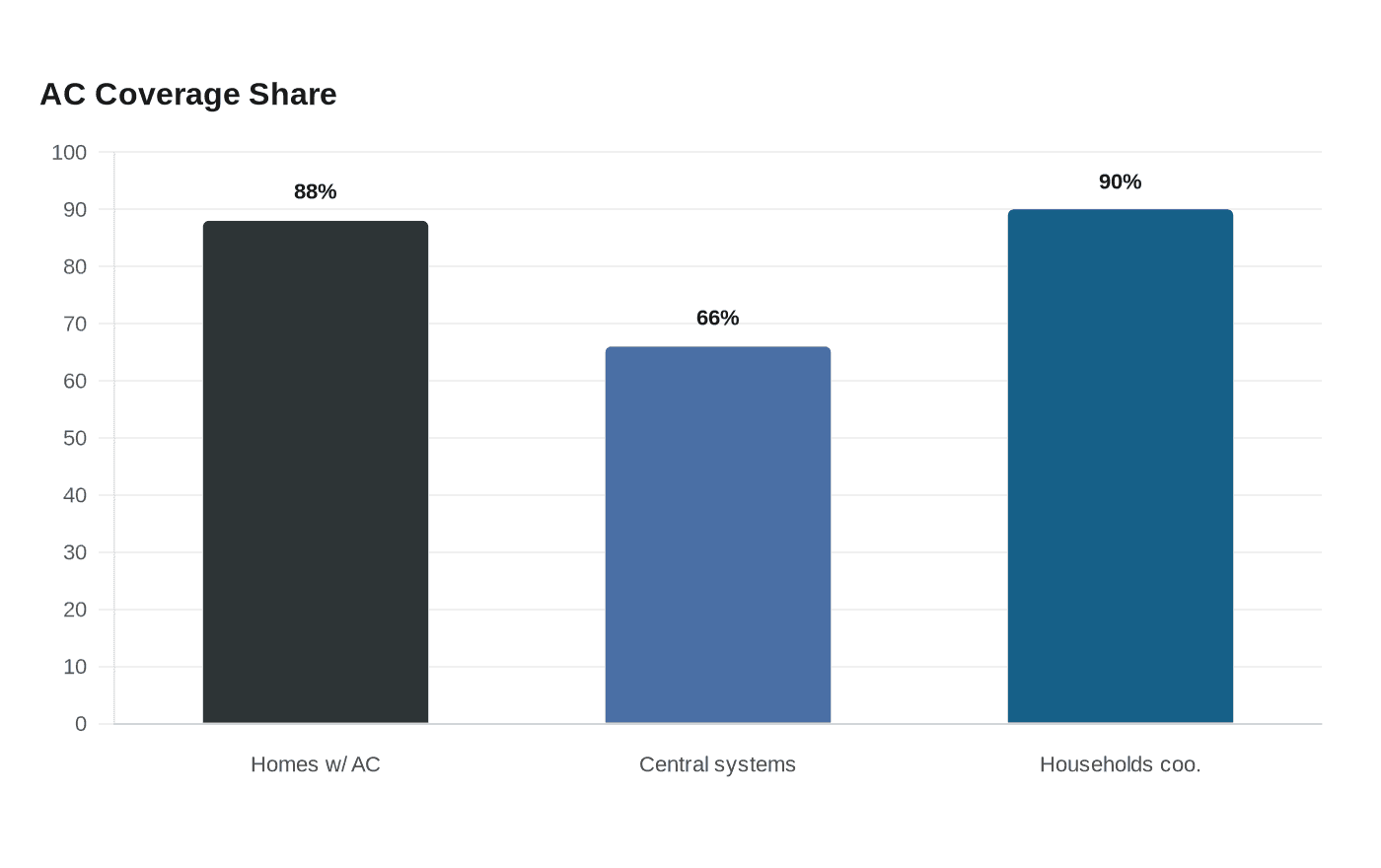
Air conditioning has become part of the country’s health infrastructure as much as its household infrastructure. The Department of Energy says 88% of homes in the United States have air conditioning and 66% have central systems, and it says nearly 90% of U.S. households cool their homes with air conditioning. When temperatures climb, access to cooling can determine whether a home stays manageable or becomes unsafe.
That is why the utility bill lands hardest on families with the fewest options. The Department of Energy says central air conditioning can use more than 2,000 kilowatt-hours of electricity per year in an average-sized home, a level of consumption that can strain households already juggling rent, food and transportation. When a family delays repairs, skips insulation work or avoids running the system for fear of cost, the result can be both financial and physical stress during the hottest part of the year.
Help exists, but it is uneven
For households that cannot afford cooling costs, weatherization or energy-related home repairs, the Low Income Home Energy Assistance Program can provide help. NPR has reported that some people facing those costs may be able to contact the program for support, a reminder that the burden is not only about personal habits but also about whether public aid reaches people before the heat does.
That broader reality is where the policy issue sits: millions of homes depend on cooling, yet the cost of staying safe in summer is still left to individual households to manage one thermostat adjustment at a time. The savings from a 78-degree setting, regular filter changes and a programmable thermostat can help right away, but the biggest long-term relief comes from weatherized homes, efficient equipment and utility systems that do not force families to pay the highest price when temperatures spike.
This article was produced by Prism’s automated news system from verified source data, official records, and press releases, then run through automated quality and moderation checks before publishing. The system is built and supervised by the people who set the standards it runs under. Read our full AI policy.
Did this article answer your question?