Pope Leo XIV receives Liberty Medal in Philadelphia ceremony
Pope Leo XIV accepted Philadelphia’s Liberty Medal as he urged “unity, justice and peace” on the eve of America’s 250th anniversary.

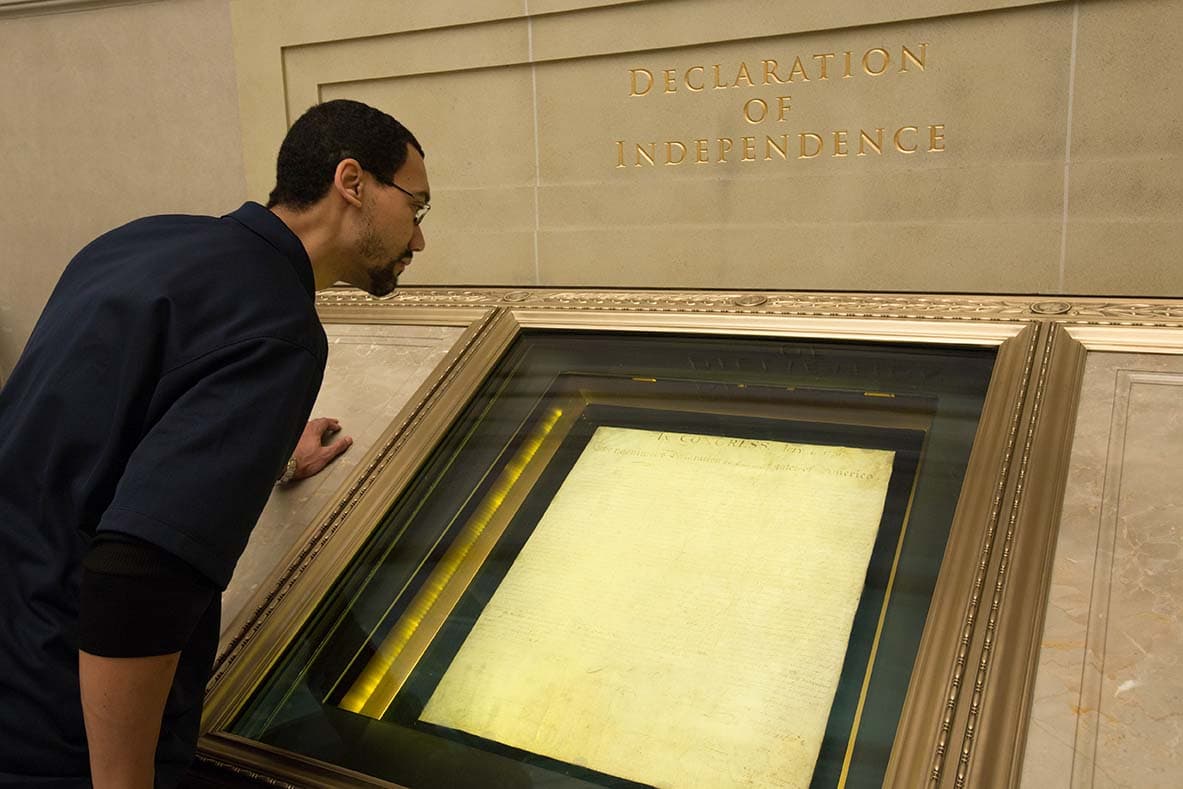
Pope Leo XIV accepted the 38th annual Liberty Medal from the National Constitution Center on Independence Mall, with the ceremony moved inside because of a regional heat wave. The public event, held steps from Independence Hall, came as Philadelphia marked the eve of the 250th anniversary of the Declaration of Independence.
The center said the award honored Leo’s lifelong work promoting religious liberty, freedom of conscience and freedom of expression around the world, principles it linked to the First Amendment. The 2026 selection put the first U.S.-born pope at the center of Philadelphia’s America 250 observances, where civic and faith leaders gathered around one of the country’s most symbolically charged public spaces.
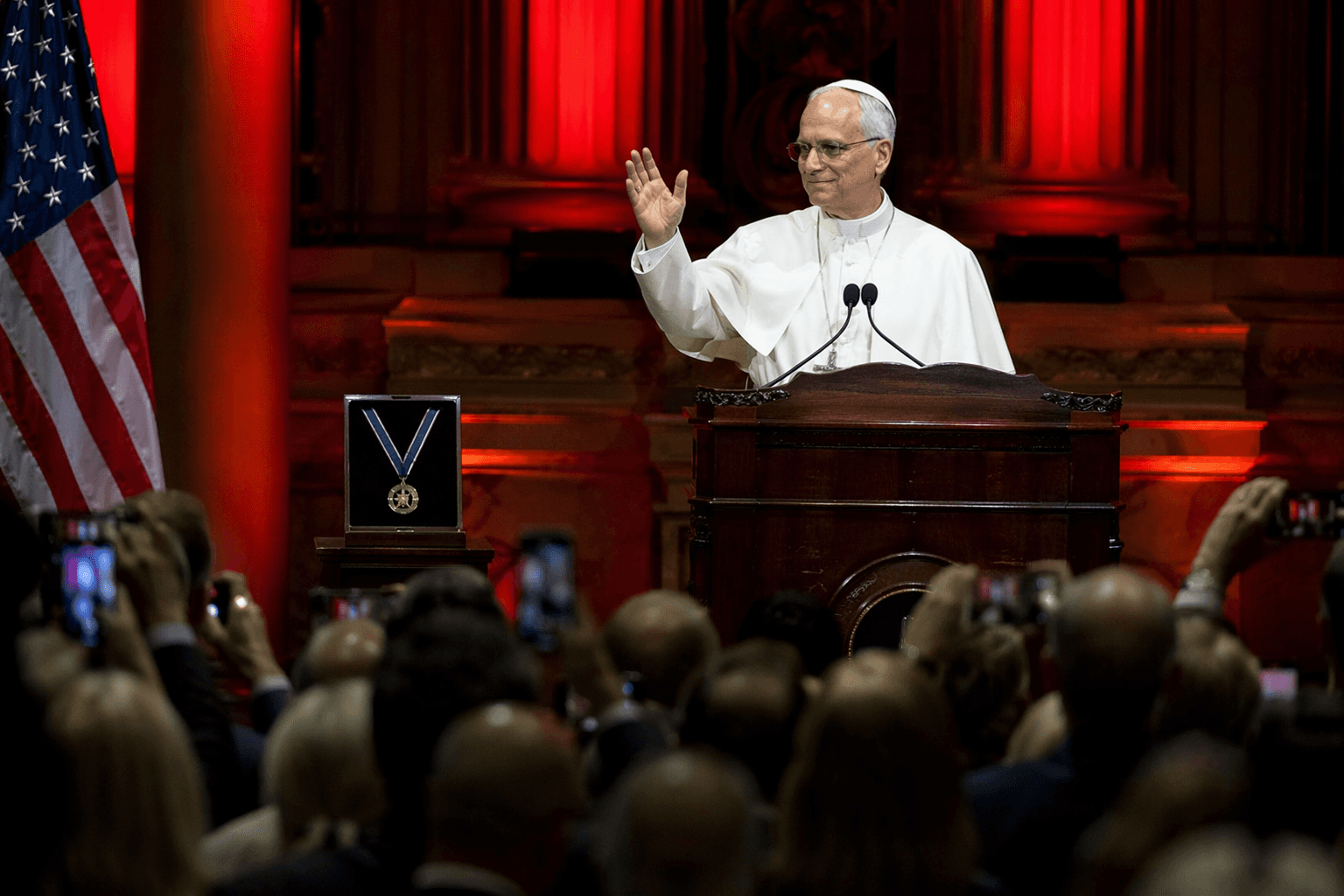
Leo delivered his acceptance remarks virtually from the Vatican and told the audience, “I am honored to accept the Liberty Medal of the National Constitution Center in this year that marks the 250th anniversary of the founding of the United States.” He called for the nation’s future to be guided by “unity, justice and peace,” and said America had long opened its doors to successive waves of immigrants. The ceremony was livestreamed for those in the room and online.
The Vatican said the pope was deeply grateful for the honor, while National Constitution Center interim president and chief executive Vince Stango said the Liberty Medal is meant to prompt reflection on how freedom is carried forward across generations and around the world. The center said the 38th annual award continued a prize that has been hosted there since 2006, even though the Liberty Medal itself was established in 1988.

The setting gave the award a sharper political edge than a routine honors ceremony. On the eve of Independence Day, constitutional language and religious language overlapped in a single public moment, with a pope speaking about unity and national purpose beside the historic site where the country’s founding documents were debated and signed.
This article was produced by Prism’s automated news system from verified source data, official records, and press releases, then run through automated quality and moderation checks before publishing. The system is built and supervised by the people who set the standards it runs under. Read our full AI policy.
Did this article answer your question?