Statue of Liberty marks enduring symbol of hope and friendship
Jesse Brackenbury is leading a $100 million Ellis Island Museum campaign as the Statue of Liberty’s welcome message faces new fights over immigration and identity.

Jesse Brackenbury is leading a $100 million campaign to revitalize the Ellis Island Museum, a push meant to preserve and reframe the immigration story that has become inseparable from the Statue of Liberty. The effort arrives as the harbor landmark’s meaning is again being tested by fierce arguments over immigration, asylum and national identity.
The statue itself was built as a diplomatic gesture long before it became an American shorthand for welcome. France gave the monument to the United States as a gift of friendship, and President Grover Cleveland officially dedicated it on October 28, 1886. Frédéric-Auguste Bartholdi designed the sculpture, Gustave Eiffel engineered its internal metal framework, and Richard Morris Hunt designed the pedestal. Its formal name is Liberty Enlightening the World. The statue was built in France from 1875 to 1884, disassembled, shipped to New York in 1885 and reassembled atop its pedestal on Bedloe’s Island, now Liberty Island.
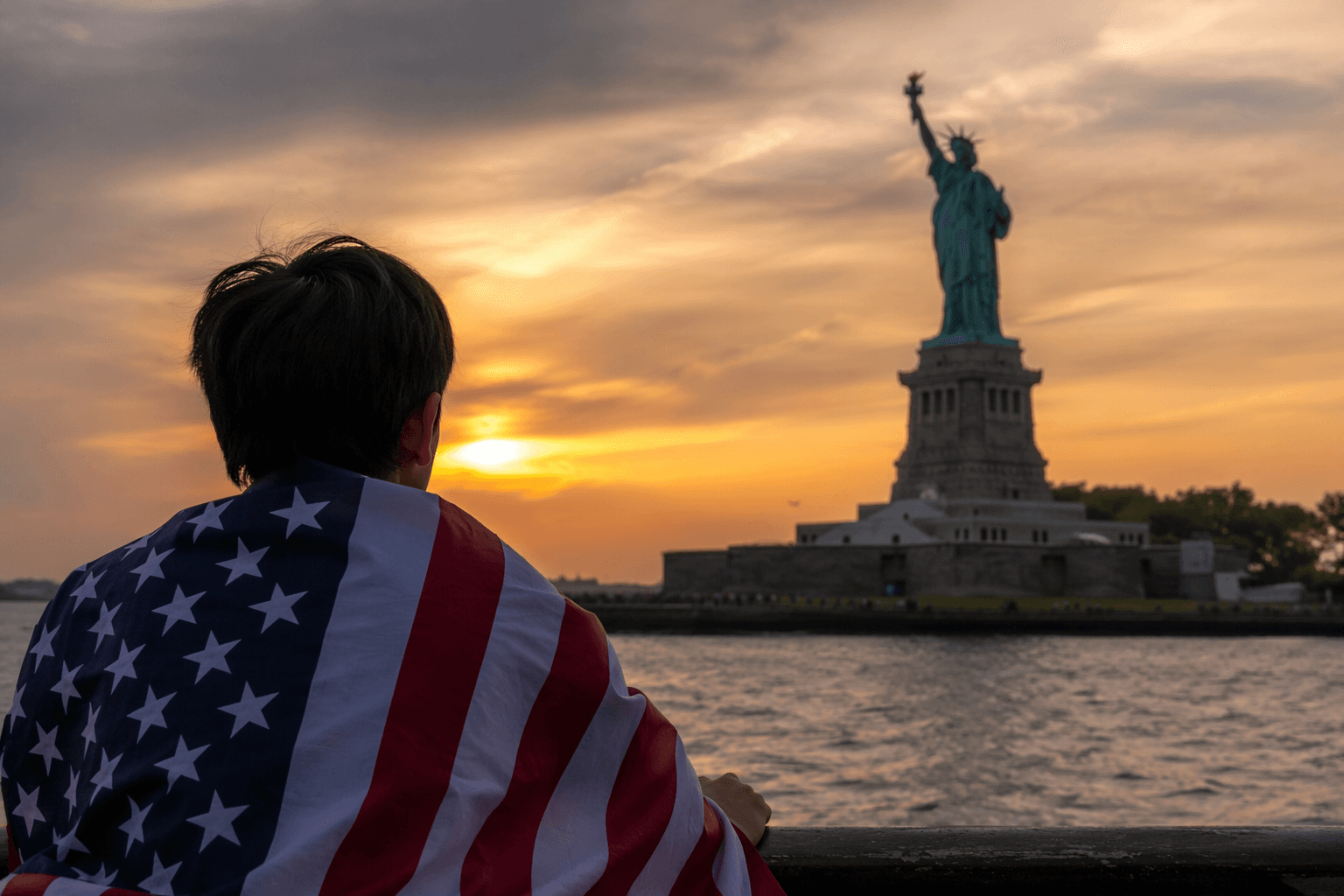
Its public meaning widened once immigrants began passing through nearby Ellis Island. Between 1886 and 1924, almost 14 million immigrants entered the United States through New York, and the statue came to stand not just for French-American friendship and American independence, but for arrival, safety and possibility. Emma Lazarus wrote The New Colossus in 1883, and her lines, including “Give me your tired, your poor,” later became part of the monument’s identity when the poem was mounted inside the pedestal.
The federal government deepened that status in 1924, when the statue was designated a National Monument. The National Park Service has maintained it since 1933, preserving what it describes as a universal symbol of freedom and democracy in New York Harbor. That official language has helped keep the statue steady even as the politics around it have shifted.

Brackenbury joined the Statue of Liberty and Ellis Island Foundation in 2021 and has since taken on the museum campaign as part of a broader effort to preserve the country’s immigration history for future visitors. The challenge now is not only conservation, but interpretation: the same monument that once signaled open arms to arrivals in New York is now read through the harder questions of who gets to enter, who belongs and what American identity is meant to represent.
This article was produced by Prism’s automated news system from verified source data, official records, and press releases, then run through automated quality and moderation checks before publishing. The system is built and supervised by the people who set the standards it runs under. Read our full AI policy.
Did this article answer your question?