Extreme heat and winds fuel major wildfires across western states
Heat, wind and drought pushed 27 large fires uncontained nationwide, while Utah's Iron Fire forced Eureka to evacuate and Arizona crews battled flames near Sedona.
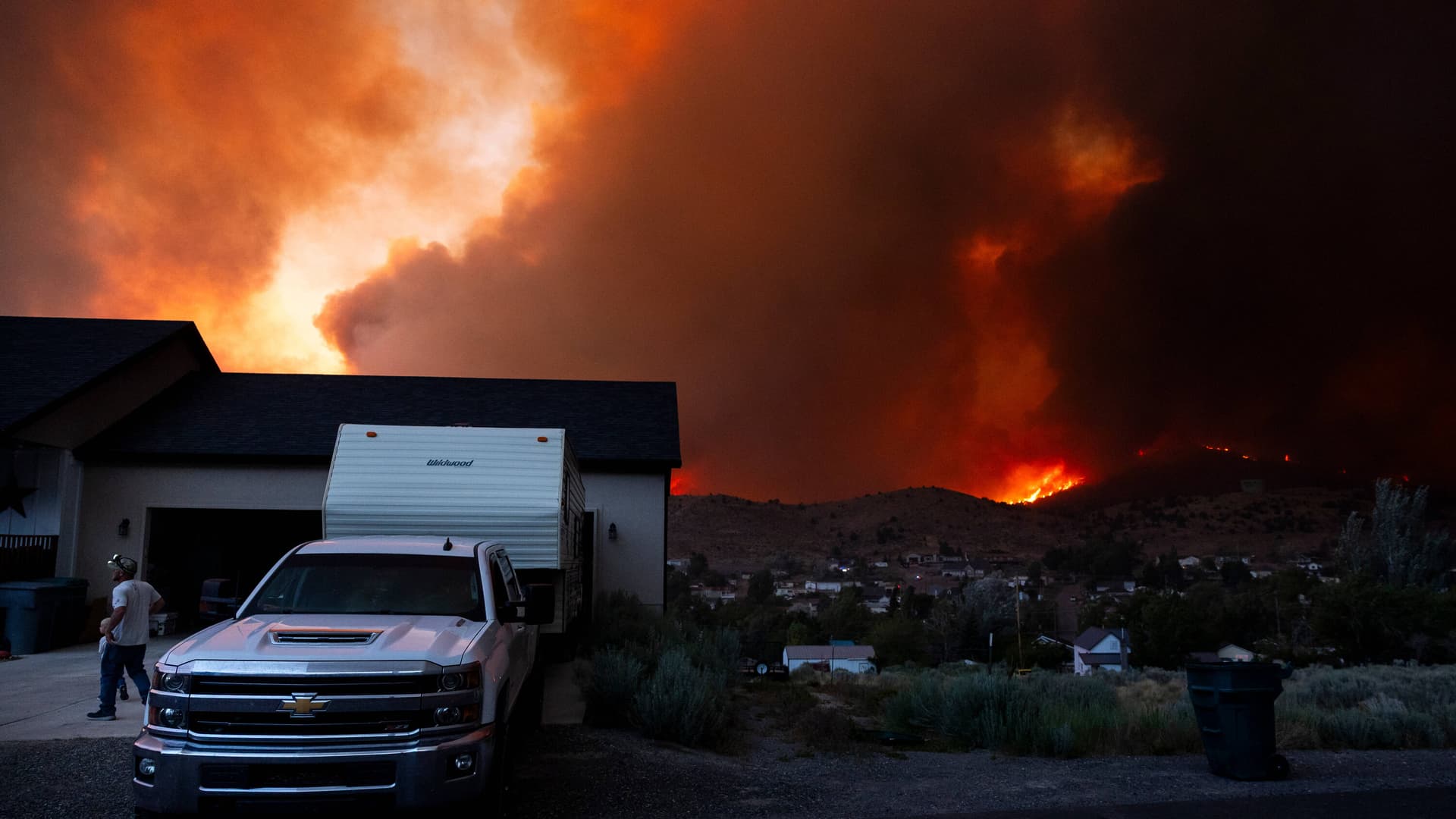
Extreme heat, gusty winds and parched terrain pushed wildfire response into a strained national posture, with 27 uncontained large fires burning across the country and nearly 5,000 personnel assigned to incidents. The National Interagency Fire Center raised the National Preparedness Level to 3 on June 18, saying significant wildland fire activity was continuing across multiple geographic areas and that the risk of additional large fires remained elevated.
The numbers underscored how quickly the season was outrunning suppression capacity. NIFC said 74 new fires were reported in a single day, and 33,349 fires had already burned more than 2.6 million acres in 2026, both above the 10-year average for this point in the year. Fire activity was concentrated across the Northwest, Great Basin, Southwest and Rocky Mountain regions, where crews were juggling new starts even as existing fires kept growing.
In Utah, the Iron Fire in Juab County was first detected on June 20 and spread to 34 square miles, or 87 square kilometers. It forced the evacuation of Eureka, a town of about 1,000 people, along with a nearby ranch, though firefighters carried out a backburn to protect the community and no homes had been lost. State officials said the fire was human-caused and remained under investigation. Gov. Spencer J. Cox said, “We knew that there was going to be extreme fire danger, and sure enough we had multiple fires.” The Iron Fire was one of six fires burning in Utah at varying levels of containment.

A separate wildfire near Sedona, Arizona, burned about 300 acres of steep terrain near Oak Creek Canyon and kept residents from returning home as of Sunday afternoon. Colorado’s southwest corner was under a red flag warning because of gusty winds and low relative humidity, while much of Utah was in severe to extreme drought and parts of Arizona and Colorado were also in severe drought, according to the U.S. Drought Monitor.
The outlook for the West remained grim. The National Weather Service said hazardous heat would build across the region through midweek, and fire researchers had already warned that unusually low snowpack and a snow drought were setting up the possibility of an early, severe wildfire peak. The human cost was already visible: three hikers died in two separate heat-related incidents at Grand Canyon National Park last week, a reminder that fire season in the West has become a broader public health emergency as communities are asked to live with near-constant danger.
This article was produced by Prism’s automated news system from verified source data, official records, and press releases, then run through automated quality and moderation checks before publishing. The system is built and supervised by the people who set the standards it runs under. Read our full AI policy.
Did this article answer your question?