F-15E Shot Down Over Iran, One Crew Member Rescued, Search Continues
Iran downed a U.S. F-15E near Lali on Friday, rescuing the pilot while the weapons systems officer remains missing in mountainous terrain.
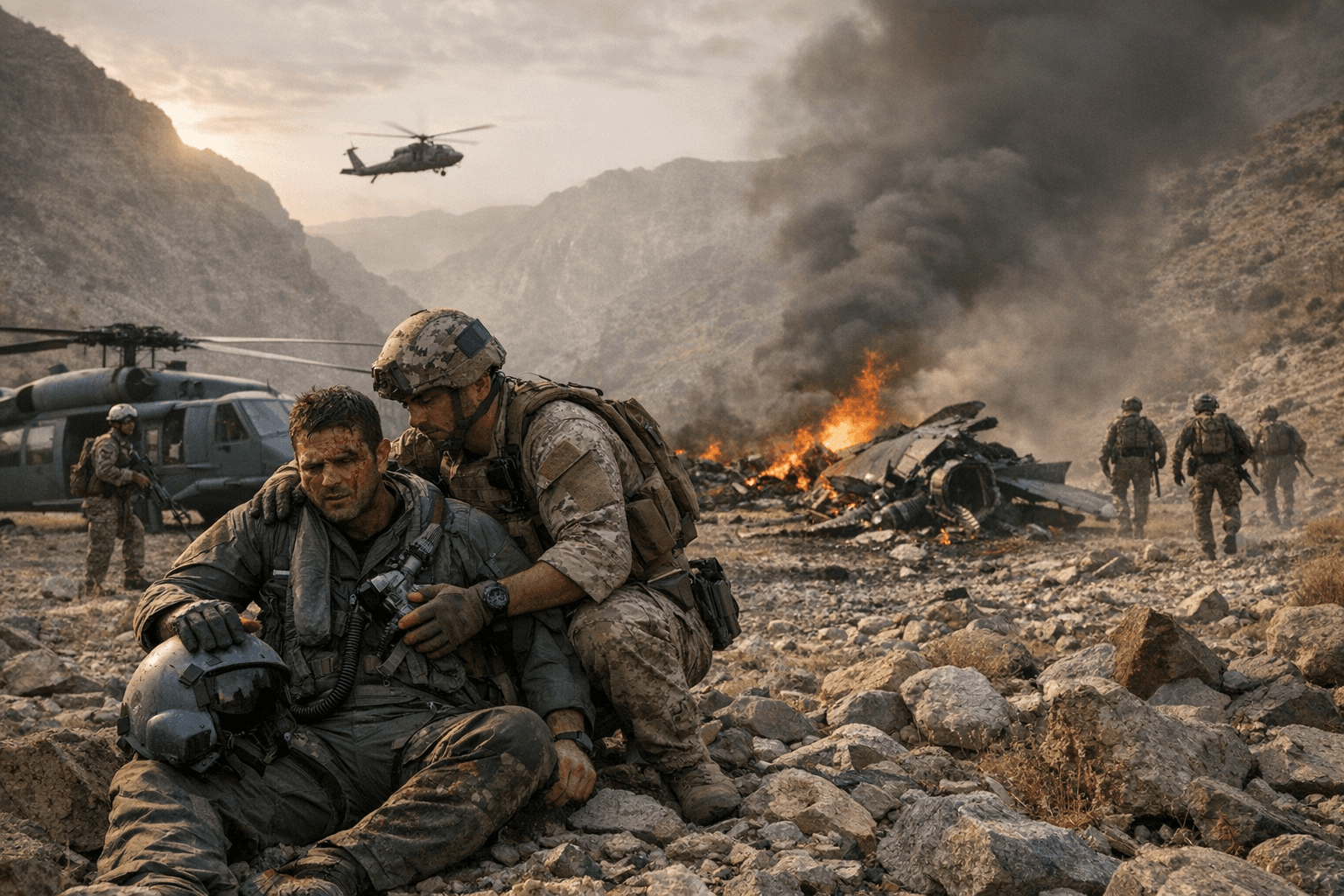
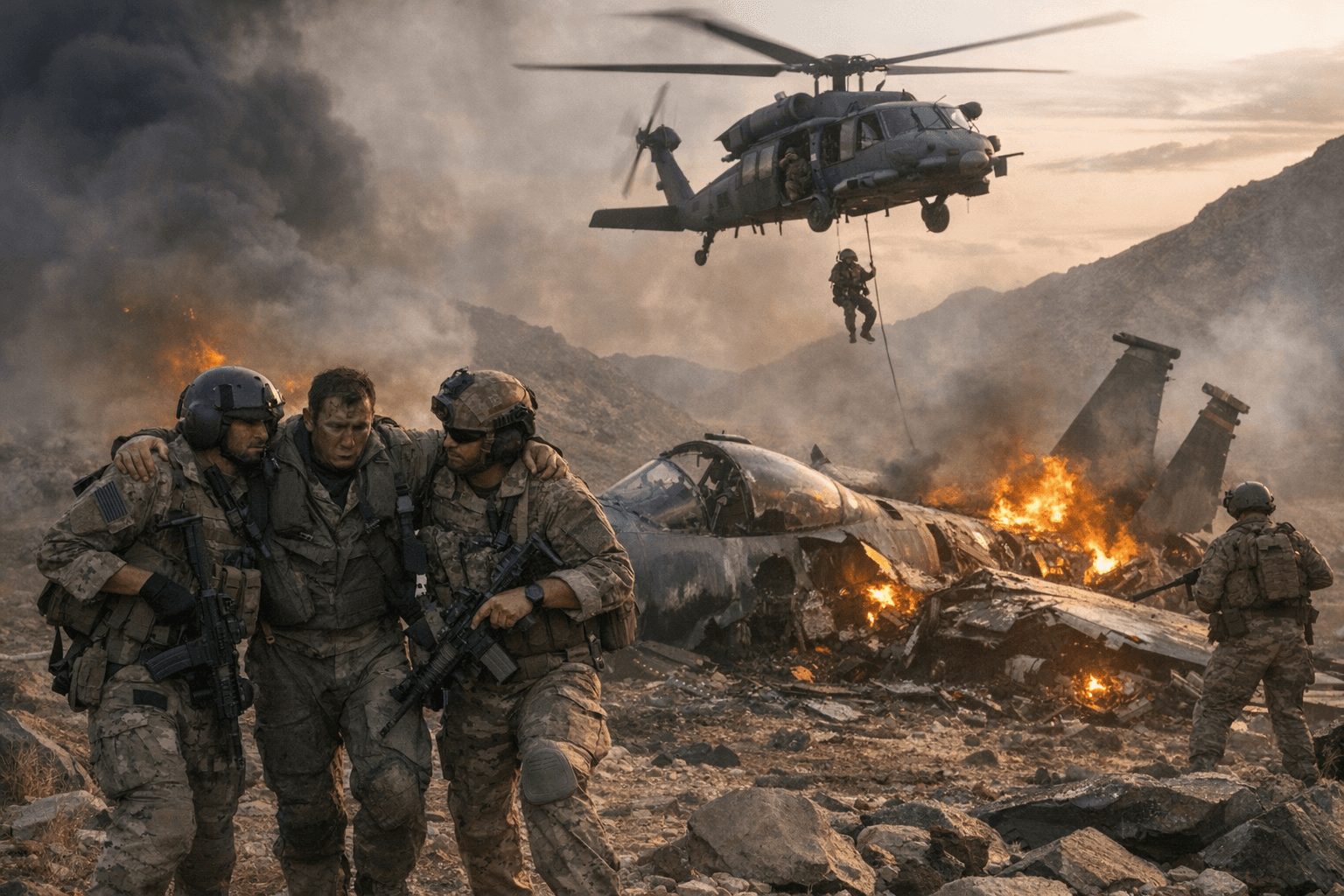
A U.S. Air Force F-15E Strike Eagle assigned to the 494th Fighter Squadron was shot down by Iranian forces over a mountainous area near the city of Lali, in Iran's Kohkilouyeh and Boyer-Ahmad province, marking the first time during Operation Epic Fury that a manned American aircraft has been brought down by enemy fire. The pilot has been rescued and is in U.S. custody; a search for the weapons systems officer (WSO) is ongoing.
The shootdown exposed a sharp contradiction at the top of the U.S. military chain of command. CENTCOM Commander Adm. Brad Cooper declared Thursday, just hours before the jet went down: "Now in our fifth week of the campaign, it is my operational assessment that we are making undeniable progress. We don't see their navy sailing. We don't see their aircraft flying, and their air and missile defense systems have largely been destroyed."
Iran's Islamic Revolutionary Guard Corps claimed responsibility for the attack. Iranian state media initially misidentified the downed aircraft as a U.S. F-35, but photographs of the wreckage told a different story: a red-striped tailfin, consistent with the 494th Squadron's distinctive markings from RAF Lakenheath in England, was clearly visible in the debris field. Iranian officials also recovered an intact ACES II ejection seat near the crash site, confirming both crew members ejected. Independent weapons analyst N.R. Jenzen-Jones, director of Armament Research Services, and defense analyst Wes J. Bryant, a former Pentagon advisor on precision warfare and civilian protection, both said the wreckage was consistent with an F-15E Strike Eagle.
The rescue operation itself drew sustained fire across the region. An A-10 Warthog providing combat search-and-rescue support took damage near the Strait of Hormuz; its lone pilot flew the stricken aircraft to Kuwaiti airspace before ejecting and was safely recovered. Two UH-60 Black Hawk helicopters involved in the recovery effort were struck by Iranian fire as well; both landed safely, and all crew members received initial medical treatment before transport for further care.
Iranian authorities moved aggressively to complicate the search. State broadcaster IRIB ran an on-screen crawl urging the public to "shoot them if you see them," referencing footage of U.S. aircraft in the area. The semiofficial Mehr News Agency published video purportedly showing locals firing at U.S. helicopters with small arms. Iranian authorities also reportedly offered rewards to citizens who turn over surviving Americans alive.
Friday's loss adds to a casualty count that has climbed steadily across the now five-to-six-week campaign. On March 1, three Air Force F-15Es were downed in a friendly fire incident when Kuwaiti F/A-18 aircraft mistakenly engaged them, with all pilots ejecting safely. On March 12, six airmen were killed when a KC-135 Stratotanker crashed in western Iraq in a non-combat accident. A U.S. F-35 was hit by enemy fire over Iran on March 19 but reached a regional air base. At least 13 Americans have been killed and approximately 140 service members injured, eight severely, since the operation launched.
President Trump declined to discuss specifics of the rescue in a brief phone interview Friday; his national security team gathered at the White House as he received updates from the Oval Office throughout the day. Former Air Force Colonel Jeffrey Fischer offered three words: "Praying for the crew.
Sources:
Know something we missed? Have a correction or additional information?
Submit a Tip