Nigerians Displaced for Abuja's Construction Say Promises Were Never Kept
Decades after Nigeria's military evicted the Gbagyi and other indigenous peoples to build Abuja, advocacy groups say over two million displaced people across nine tribes are still waiting for promised land and compensation.
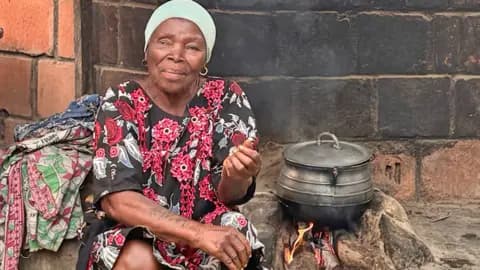
When General Murtala Mohammed announced in 1976 that Nigeria would build a new capital in the geographic center of the country, the military government called it neutral ground, a "no man's land" that no single ethnic group could claim. The Gbagyi, Koro, Gade, and Gwandara peoples who had farmed and settled the 8,000 square kilometers for generations were told otherwise: leave, and the government would compensate them.
Fifty years on, that promise remains largely unmet.
The Federal Capital Territory Act of 1976, which gave the federal government exclusive ownership of all land in Abuja, effectively stripped indigenous communities of any legal basis to contest their removal. Unlike the rest of Nigeria, where the Land Use Act of 1978 governs property rights, the FCT operates outside that framework entirely. Families who lost farms, homesteads, and ancestral burial grounds had no title to claim and no court to appeal to.
Government planners also badly miscounted the people they were displacing. The initial resettlement framework underestimated the number of Gbagyi living across the territory, leaving thousands of families in transit and settlement camps as construction on the city ramped up through the 1980s. A deal signed on October 10, 1977 set the cost of relocating places of worship and families from Niger, Plateau, and Kwara states at one million naira, a figure that critics said bore little relationship to the actual scale of disruption. Abuja formally became the capital in December 1991, but many displaced communities were still waiting for the resettlement that had been promised more than a decade earlier.
Abwami Ishaya, the chief of the Anka community who had hoped the capital's construction would bring government support and proper compensation for ancestral lands, instead watched his people face continued marginalization and repeated displacement without payment. Advocacy groups now estimate that more than two million indigenous people across nine tribes and 17 chiefdoms have been affected by what they describe as systematic neglect.
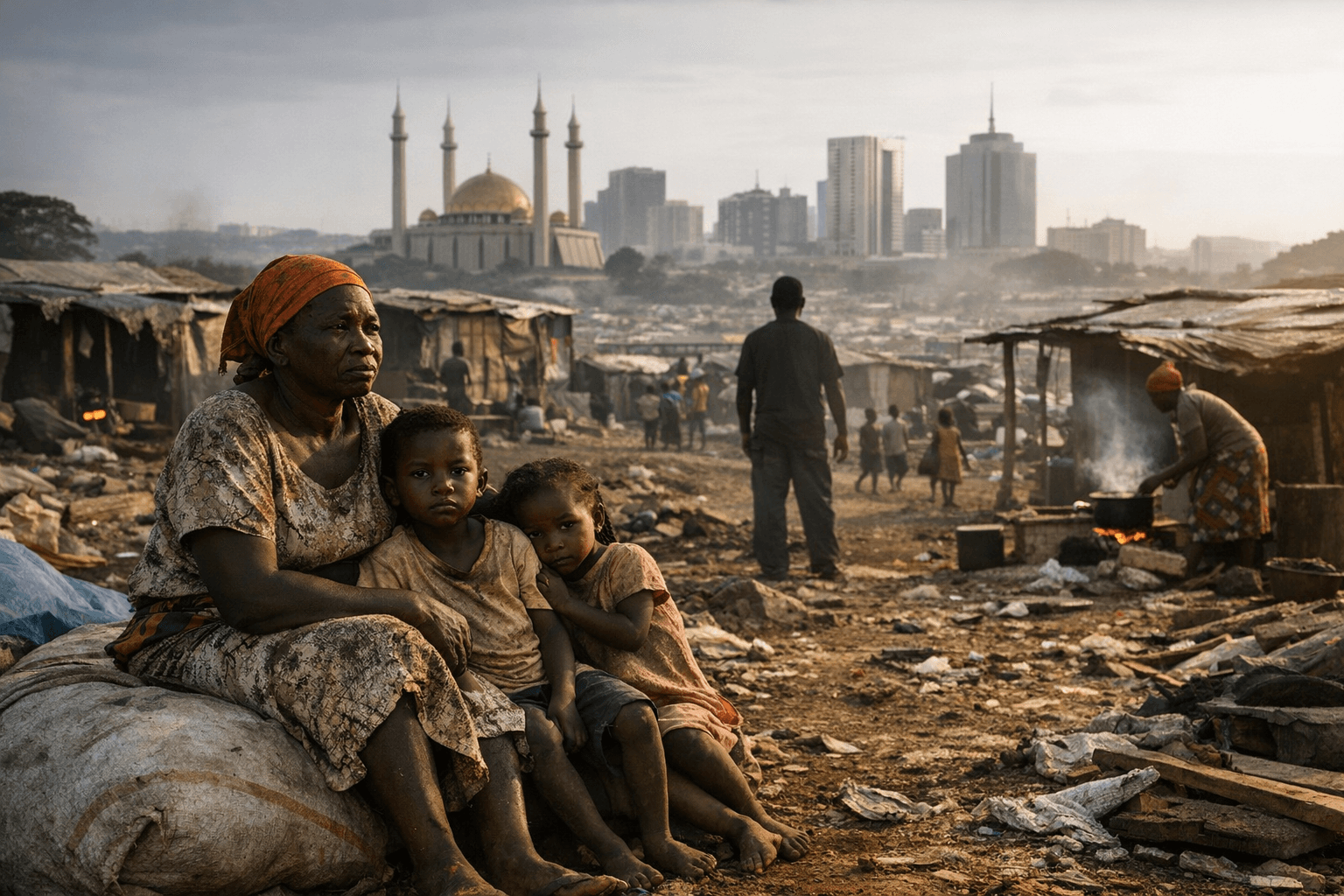
"We gave Nigeria our land so the country could be one," an elder in Gwagwalada said. "But 50 years later, we are still waiting to be treated as equal stakeholders."
Political exclusion has compounded the economic losses. Advocacy groups have called for the right of first refusal in elective offices and government appointments as a form of restorative justice, arguing that the original inhabitants, once the majority population in the region, are now minorities in their own ancestral territory. Abuja's population has grown to an estimated three million, fueled by migration from across Nigeria, while the Gbagyi and allied groups have seen their political voice shrink in proportion.
Nigeria's experience tracks a pattern repeated across the developing world wherever governments build showcase capitals or large infrastructure projects by moving people rather than working around them. The communities that pay the price of displacement rarely receive the land titles, compensation payments, or public services that were pledged when the bulldozers arrived. What they are left with, decades later, are memories of what was promised and the gleaming city that rose in its place.
This article was produced by Prism’s automated news system from verified source data, official records, and press releases, then run through automated quality and moderation checks before publishing. The system is built and supervised by the people who set the standards it runs under. Read our full AI policy.
Did this article answer your question?