FAA Courts Gamers to Fill Critical Air Traffic Controller Shortage
The FAA is 2,500+ controllers short of safe staffing, directing 45,000 flights daily, and turned to gamers and $10K bonuses to close a gap four decades in the making.
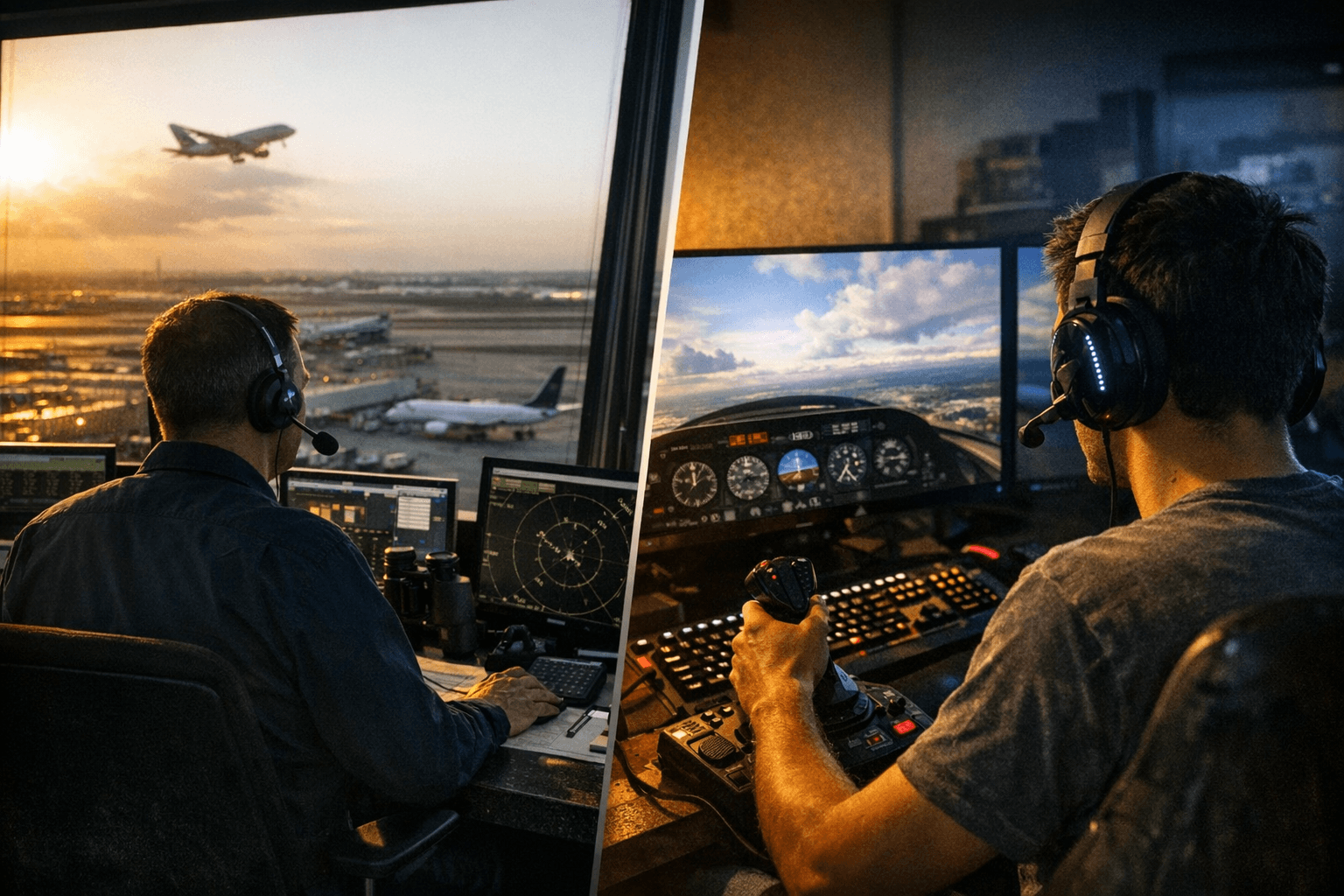
The Federal Aviation Administration is running roughly 2,500 to 3,600 certified air traffic controllers short of its own staffing target, a gap that leaves more than 40% of its 290 terminal facilities understaffed and the system responsible for directing 45,000 flights every day stretched dangerously thin. To close it, the agency turned to an unlikely recruiting pool: gamers.
In April 2025, the FAA released a one-minute YouTube video blending clips of eSports competitors and Fortnite gameplay with footage of trainees working live ATC towers, complete with Xbox sound effects and the tagline, "Become an air traffic controller. It's not a game. It's a career." Transportation Secretary Sean Duffy made the case plainly, arguing that gamers "have many of the hard skills it takes to be a successful controller," pointing to concentration, spatial awareness, and coordination as directly transferable competencies. The FAA opened its annual hiring window at midnight on April 17, 2025, capping applications at 8,000, and targeted adults aged 18 to 30, a cohort that must be offered a job before turning 31 and is required to retire by 56. Average ATC salaries, the campaign noted, reach $155,000 after just three years on the job.
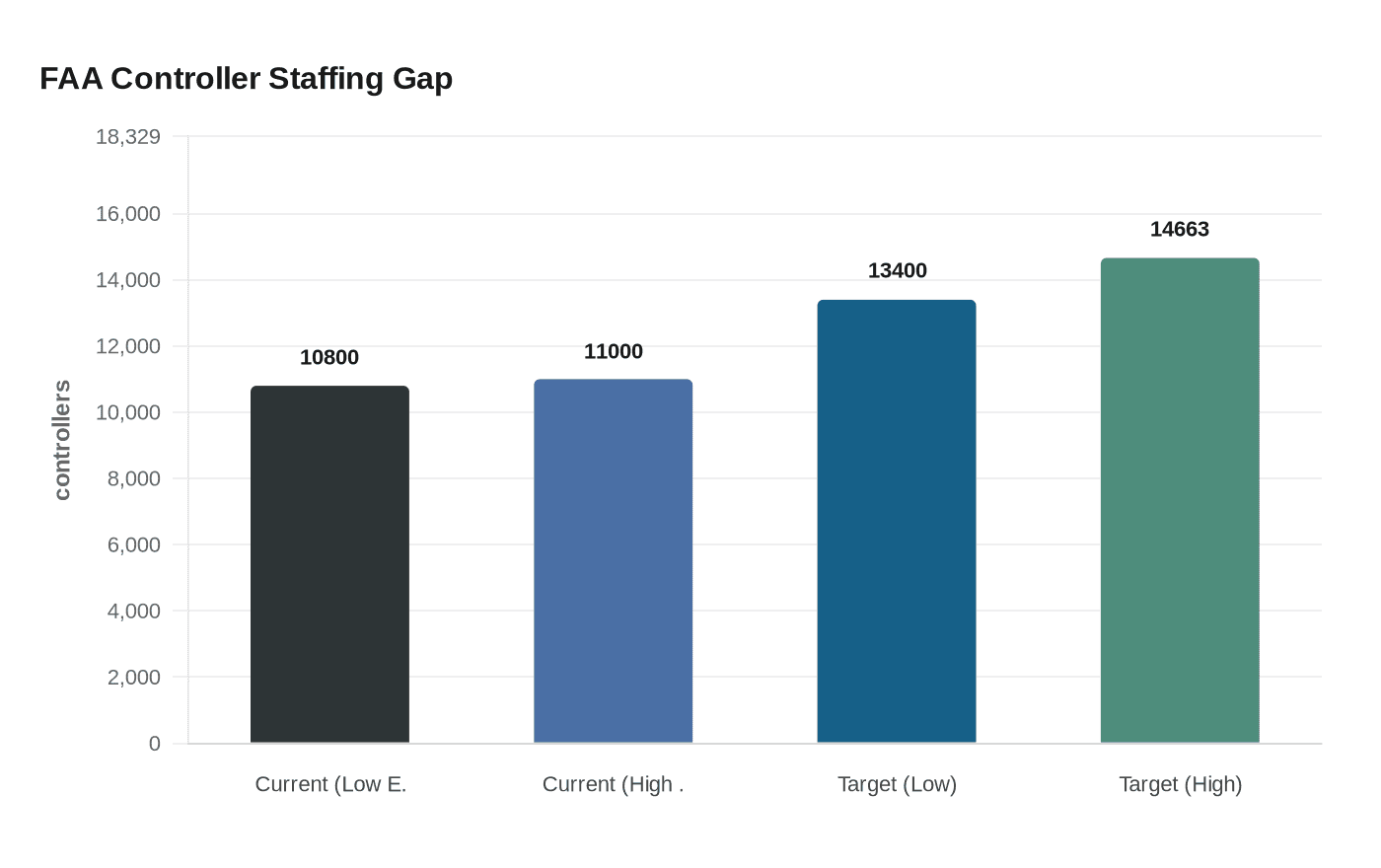
The shortage the campaign is trying to reverse runs deep. The United States currently has approximately 10,800 to 11,000 fully certified controllers against an FAA target of 13,400 to 14,663. A Brookings Institution analysis found the total controller count fell 13% from 2010 to 2024, and from 2013 to 2023, the FAA hired only two-thirds of the controllers its own staffing model required. Government shutdowns repeatedly suspended hiring and training cycles, and the COVID-19 pandemic compounded those interruptions even as air travel recovered faster than the workforce could. Despite receiving roughly 200,000 applications in recent years, the FAA remained chronically short, with high attrition between 2019 and 2024 accelerating the deficit.
The roots of the crisis stretch back to August 3, 1981, when the Professional Air Traffic Controllers Organization declared a strike after years of tension over long hours, outdated equipment, and chronic understaffing. President Ronald Reagan fired more than 13,000 controllers, dismantling the workforce in a single stroke and setting the staffing trajectory that the agency is still struggling to correct four decades later.
The consequences of understaffing are no longer abstract. A midair collision near Washington, D.C.'s Reagan National Airport killed 67 people in January 2025. Weeks later, an Air Canada plane collided with a fire truck at LaGuardia Airport, killing two pilots. Duffy has previously noted that during the worst stretches of government shutdowns, controller staffing problems accounted for half of all flight delays nationally, compared to a baseline norm of just 5%.
Against that backdrop, the FAA and the National Air Traffic Controllers Association announced a financial incentive package on April 30, 2025. The deal included a $5,000 bonus for academy graduates who complete initial qualification training, a $5,000 signing bonus for new hires, and a $10,000 bonus for graduates assigned to any of 13 designated hard-to-staff facilities. Near-retirement controllers eligible to leave the workforce can collect a retention bonus equal to 20% of their basic pay per year if they choose to stay on. NATCA President Nick Daniels called the package "a meaningful step toward addressing the ongoing staffing shortages."
The FAA did hit its FY2025 hiring goal, onboarding 2,026 new controllers against a target of 2,000, and hired 20% more controllers in the first nine months of 2025 compared to the same period in 2024. The time-to-hire was cut by more than five months under Duffy's leadership. More than 4,000 trainees are currently in the pipeline awaiting certification. The administration has set a target of recruiting over 8,900 controllers by the end of 2028, which would bring staffing to its highest level in decades.
The gamer recruitment angle drew scrutiny well beyond aviation circles. On June 2, 2025, John Oliver devoted a segment of Last Week Tonight to the FAA's video, using it to illuminate both the severity of the shortage and the long-shot nature of the fix. The core tension the critics identified is real: the FAA training pipeline at its Oklahoma City academy takes years to produce a certified controller, meaning even a successful recruitment class won't resolve the shortfall before the next wave of mandatory retirements arrives. Whether a viral YouTube ad, however well-produced, can drive enough qualified candidates through that pipeline faster than the system ages out is the question the bonus packages and gaming hashtags alone cannot answer.
This article was produced by Prism’s automated news system from verified source data, official records, and press releases, then run through automated quality and moderation checks before publishing. The system is built and supervised by the people who set the standards it runs under. Read our full AI policy.
Did this article answer your question?

