Fake Spotify emails trick users into sharing passwords and payment data
A fake Spotify bill notice can send users to cloned login pages that steal passwords and card data. Spotify says it never asks for payment details by email.

MailGuard intercepted a phishing email posing as Spotify that said a recipient’s last payment could not be processed and warned that Premium access would be suspended unless billing details were updated within 48 hours. The message used the same pressure points that make these scams work: urgency, routine account language and a familiar brand that many people already trust.
The scam is designed to look polished enough to pass a quick glance. Fake messages can copy Spotify logos, phrasing and other interface details, then push users toward cloned sign-in pages that harvest passwords or payment pages that capture card numbers. In some cases, a single click can also expose a device to malware or hand attackers control of the account. Spotify’s support page says the company will never ask for personal information over email, including payment information, and directs users to manage accounts only through Spotify’s official site. Spotify also maintains a help page titled Is this Spotify email legit?
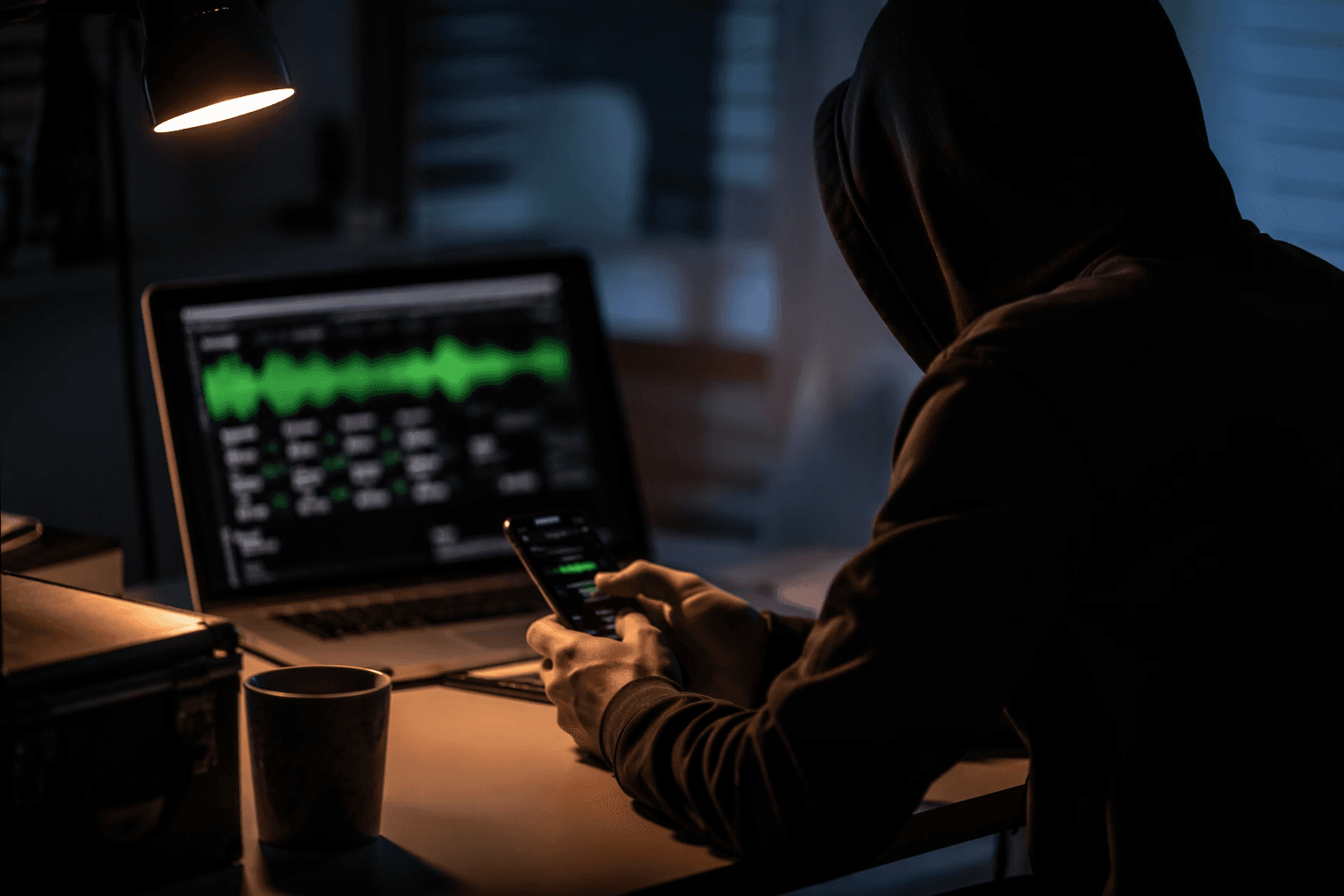
Subscription services are a particularly effective lure because billing notices, password resets and account alerts are normal parts of the experience. That makes a fake warning about a failed payment or an expiring subscription feel plausible, especially when the message threatens immediate loss of service. Bitdefender published a Spotify scam explainer on June 26, 2025, and Forbes followed with a similar guide on July 8, 2025, both reflecting the same pattern: criminals exploit routine customer-service language to make a fraudulent email look like housekeeping rather than theft.
Security firms have been warning about the tactic for months. ESET published a guide on March 11, 2025, saying cybercriminals can steal Spotify accounts and urging users to secure them. The Federal Trade Commission said in April 2024 that impersonation scams are increasingly different from older versions of these frauds, relying less on crude spam and more on social engineering that mimics real communications from brands people use every day.
Anyone who clicked a fake Spotify link should change the password immediately, sign out of other devices, turn on two-factor authentication and check saved payment methods for changes. If card details were entered, contact the bank or card issuer at once and watch for unauthorized charges. If the email was opened on a phone or computer, scan the device for malware and keep account recovery messages tied to Spotify’s own site and app, not to any email thread.
This article was produced by Prism’s automated news system from verified source data, official records, and press releases, then run through automated quality and moderation checks before publishing. The system is built and supervised by the people who set the standards it runs under. Read our full AI policy.
Did this article answer your question?