Family influencers face scrutiny as child labor laws lag online fame
Family vlogging is colliding with child labor law, and the biggest fight is over who gets paid, who consents, and who protects the child after the camera stops.
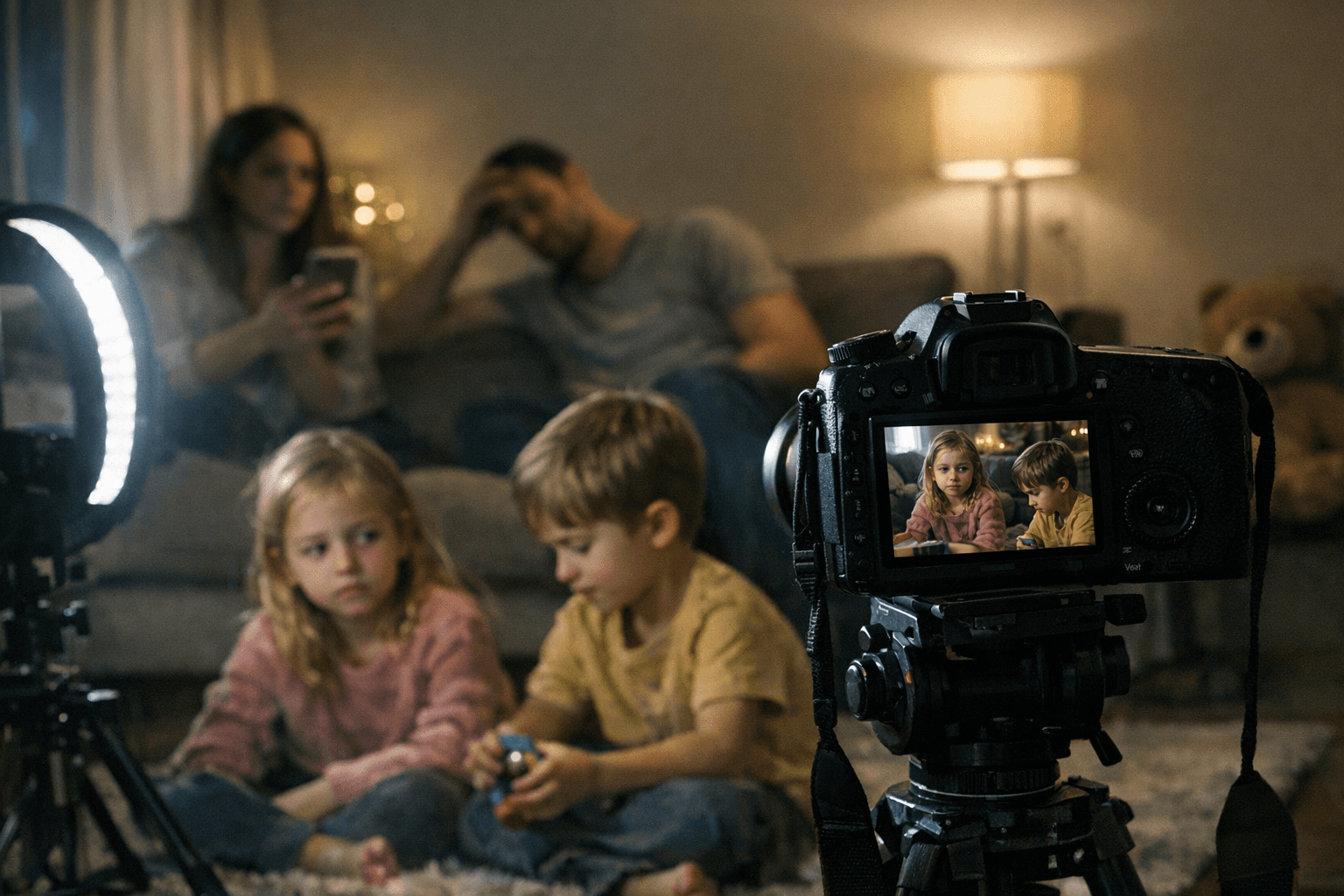
From family life to labor
A child’s breakfast, hallway hug, or tantrum can now be part of a business model. Fortesa Latifi’s *Like, Follow, Subscribe: Influencer Kids and the Cost of a Childhood Online*, released on April 7, 2026, treats that shift as a labor and rights question, not just a cultural one. The book argues that the child influencer industry raises privacy violations, financial abuse, and the absence of child labor protections, and it builds that case through interviews with psychologists, labor scientists, former child influencers, and family vloggers.
Latifi also spoke with dozens of family influencers and their children, tracing how money flows through an economy built on everyday domestic life. The central tension is simple and troubling: children are often the raw material of the content, but the legal system has been slow to decide whether they are workers, dependents, or both. That ambiguity has allowed a largely unregulated creator economy to turn family life into profit while leaving the long-term cost to the child unclear.
Why the Ruby Franke case changed the conversation
Public concern about family vlogging intensified after the Ruby Franke case. Franke, the former Utah family vlogger behind the YouTube channel 8 Passengers, was arrested on August 30, 2023, later pleaded guilty to child abuse, and was sentenced in 2024. The case did not create the debate over child exploitation online, but it made the risks impossible to ignore for lawmakers, parents, and viewers who had treated family content as harmless entertainment.
The legal and emotional fallout also gave force to a broader critique that had been building for years. In testimony before lawmakers, Shari Franke said her end goal was to ban family vlogging entirely, a demand that captures how deeply some former insiders believe the system is broken. The concern is not only that children are filmed, but that they grow up inside a business structure they never chose and cannot easily escape.
What the money problem actually looks like
The biggest blind spot in family influencer culture is compensation. Latifi’s reporting asks a question that traditional child labor law was built to answer in film studios and television sets, but not in suburban kitchens and living rooms: when a child is working, how is that child paid, and who controls the earnings? In many cases, the answer is murky, because the work is folded into family income streams and wrapped in the language of parenting rather than labor.
That matters because the costs are not symbolic. Children featured in monetized content can lose privacy, face pressure to perform, and have their lives permanently documented before they can understand the consequences. Once a childhood is packaged as content, the child carries the record into adulthood, long after the sponsorships and ad revenue have moved on.
States are starting to write rules
Illinois became the first state to extend child labor protections to children appearing in monetized influencer content, and its law took effect on July 1, 2024. California followed with child content creator protections that took effect on January 1, 2025, requiring qualifying creators to place 65 percent of a minor’s gross earnings into a trust account. Utah signed a similar law on March 25, 2025, giving children a path to remove content they appeared in after they turn 18 and requiring parents to set aside earnings.
Minnesota’s law took effect on July 1, 2025, prohibiting children under 14 from appearing in monetized content and requiring older minors to be compensated. Taken together, those laws mark the first real attempt to bring the family-influencer economy into the same legal conversation that has long governed child performers in film and television. They are also being described as modern extensions of the Coogan-style trust approach once used for child actors, which is designed to keep a portion of a child’s earnings out of a parent’s immediate reach.
Illinois’ framework is especially important because it signals that monetized family videos are no longer outside labor policy. The rules there are commonly understood to cover children under 16 in monetized family content, bringing payment and trust-account obligations into a space that had long operated on informal consent and parental discretion. California, Utah, and Minnesota show the same direction of travel: states are beginning to treat online family fame as work with financial and legal consequences.

What still is not covered
Even with these new laws, the system still leaves major gaps. Privacy rights remain weak when a child’s face, bedroom, medical needs, school routines, and emotional breakdowns are turned into assets for engagement. Consent standards are also fragile, because a young child cannot meaningfully agree to a life of permanent visibility, and an older child may be pressured to comply when the family income depends on the next upload.
The core problem is that the internet erased the old boundaries between home and workplace faster than lawmakers could respond. The creator economy is now a multi-billion-dollar business, but much of it still runs on family arrangements that were never designed for commercial exploitation. That is why the new state laws matter: they do not solve every problem, but they establish that children’s labor, earnings, and privacy do not disappear just because the set is a house and the audience is online.
The next policy fight is about rights, not just reputation
The debate is moving beyond whether family influencers are tacky, invasive, or emotionally exhausting. It is now about whether children in monetized content deserve the same basic protections that child actors have received for decades: protected earnings, limits on exploitation, and some control over what remains public when they become adults. That shift could reshape how brands, platforms, and parents think about online fame.
For now, the strongest signal from Illinois, California, Utah, and Minnesota is that lawmakers are no longer willing to treat a child’s life as an unlimited content license. The question is not whether family influencer culture will keep growing. It is whether the law can catch up before another generation grows up with its childhood already sold.
This article was produced by Prism’s automated news system from verified source data, official records, and press releases, then run through automated quality and moderation checks before publishing. The system is built and supervised by the people who set the standards it runs under. Read our full AI policy.
Did this article answer your question?


